Thanks for reading The Abstract. This month’s edition is
1,090 words, about a
4-minute read.
Is there a topic that you’d like to see more of in
The Abstract? Drop us a line at
abstract@elysiumhealth.com. Want to get
The Abstract in your inbox? Sign up here.
|
|

|
|
|
|
Welcome to the April edition of
The Abstract. April 25 is DNA Day—marking the 1953 publication of the double helix—and this month's issue arrives with genetic news to match. Three of our five studies touch on heredity and epigenetics: a landmark framework for why cells lose their molecular identity with age, new evidence that a single chemical exposure can leave a biological mark lasting 20 generations, and a study that may fundamentally change how much credit we give our genes for how long we live. Rounding out the issue: what NAD+ has to do with your heart's internal clock, and why your cholesterol target just got lower.
|
|
|
Major new guidelines say your cholesterol target just got lower
|

|
|
|
|
Eleven major medical organizations, including the American Heart Association and American College of Cardiology, just rewrote the cholesterol playbook. The new guidance recommends starting LDL testing at age 10, beginning treatment by 30, and hitting lower targets than previously advised—below 70 for those with elevated risk, below 55 for anyone who's already had a cardiac event. The shift reflects a growing consensus that lifetime LDL exposure, not just your numbers today, is what drives heart disease risk.
|
|
|
The Expert’s Take:
|
|
“As a cardiologist, I emphasize to my patients that cholesterol is an important risk factor for heart disease, but only one risk factor. Equally important are blood pressure, blood sugar, body weight, and especially lifestyle including diet, physical activity, and not smoking. The single most powerful path to good health is through a healthy lifestyle, which not only avoids the side effects of medications but has numerous additional benefits, such as on energy, mood, and sleep.”
|
| Dariush Mozaffarian, M.D., Dr.P.H.
|
Director, Food is Medicine Institute
Distinguished Professor, Dean Emeritus, Jean Mayer Professor of Nutrition, Professor of Medicine
Member of the Elysium Scientific Advisory Board
|
|
|
|
|
|
THIS MONTH
|
|
What We’re Reading
|
|
These are third-party articles about science that we find interesting but have no relationship to Elysium or any of our products. Elysium’s products are not intended to screen, diagnose, treat, cure, or prevent any disease.
|
|
Your heart has a clock, and NAD+ helps keep it running
|
|
|
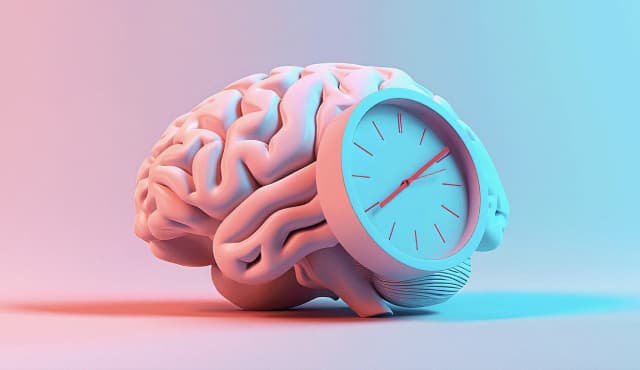
Our body runs on an internal 24-hr clock that helps coordinate daily patterns in sleep, metabolism, and gene activity in response to cues like light and food. In a new study, researchers found that aging disrupts these daily rhythms in the heart, but boosting NAD+ levels with the precursor nicotinamide riboside (NR) partially restored more youthful rhythmic gene expression patterns. In older mice, NR reversed natural cardiac enlargement and reduced markers of heart stress. The mechanism runs through SIRT1, the NAD+-dependent enzyme that helps keep the core clock ticking. The findings of this study have yet to be validated in humans. Note: Elysium Health provided the NR for this study. (Nature Communications Biology)
|
|
|
|
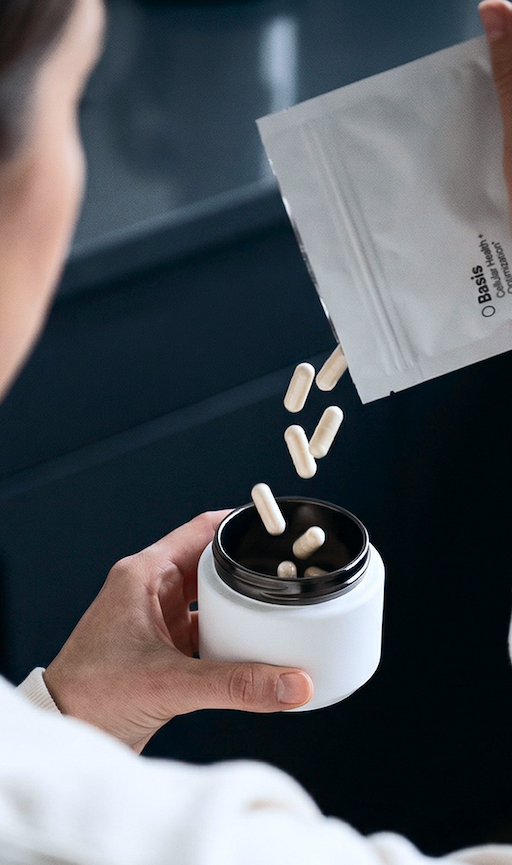
NAD+ declines with age.
|
| Basis is clinically proven to raise it.
|
|
|
|
NAD+ declines with age.
|
| Basis is clinically proven to raise it.
|
Your cells run on NAD+. It powers energy production, DNA maintenance, and the circadian rhythms that keep your body in sync. NAD+ levels decline with age.
Basis is clinically proven to increase NAD+ by an average of
40%.
|
|
|
|
|
|
|
|
|
|
Epigenetic damage can echo through generations
|
|
A fungicide exposure in rats triggered epigenetic changes that persisted for 20 generations—the longest study of its kind in mammals. Researchers found that ancestrally exposed rats had higher rates of kidney disease, obesity, and birth complications, with disease severity actually worsening in later generations. The mechanism appears to be disrupted DNA methylation in germ cells, passed down through the paternal line. Human implications remain unclear, but researchers say the findings are a warning about chemical exposures we tend to treat as contained. (PNAS)
|
|
Your genes may matter more to longevity than scientists thought
|
|
|
For decades, researchers believed genetics accounted for only 20-25% of how long we live—with environment doing most of the heavy lifting. A new study in
Science from the Weizmann Institute of Science argues that number is wrong. After stripping out historical causes of death like infectious disease and accidents that muddied older datasets, the researchers landed on a heritability estimate closer to 55%. The implication: As humans have conquered many external causes of death, our DNA plays an increasingly decisive role in how long we last. That doesn't let lifestyle off the hook—roughly half of lifespan is still shaped by behavior, socioeconomics, and healthcare access—but it significantly strengthens the case for genetic research into aging and longevity-associated variants. (STAT)
|
|
Aging isn't just wear and tear. It's a loss of instructions.
|
|
|
Your cells don't just accumulate damage as they age—they forget who they are. A new Harvard review in
Nature Reviews Molecular Cell Biology argues that aging is driven by the progressive collapse of epigenetic fidelity: the system that keeps genes properly switched on or off. When that system fails, cells lose their identity, gene expression goes haywire, and the effects compound across the entire genome. The takeaway for therapeutics: target the regulatory system, not just the individual defects. (Nature Reviews Molecular Cell Biology)
|
|
|
|
|
|
TERM OF THE MONTH
|
|
SIRT1
|
|
/ˈsər-tü-ən ˈwən/
|
|
SIRT1—sirtuin 1—is an NAD+-dependent enzyme that acts as one of the body's master regulators of cellular health. SIRT1 belongs to a family of proteins called sirtuins whose foundational role in longevity was first discovered by Elysium’s chief scientist and co-founder Leonard Guarente, Ph.D., and his lab at MIT in the late 1990s. SIRT1 helps control gene expression, DNA repair, inflammation, and metabolic function by removing acetyl groups from proteins, effectively switching biological programs on or off. SIRT1 is a core regulatory component of the circadian clock machinery, helping to coordinate the daily rhythms that keep organs like the heart running in sync. Because SIRT1 requires NAD+ to function, the well-documented decline in NAD+ with age means SIRT1 activity falls too—contributing to disrupted rhythms, impaired repair, and accelerating cellular dysfunction. It sits at the intersection of the epigenetic and metabolic hallmarks of aging.
|
|
|
|
|
|
AGING 101
|
|
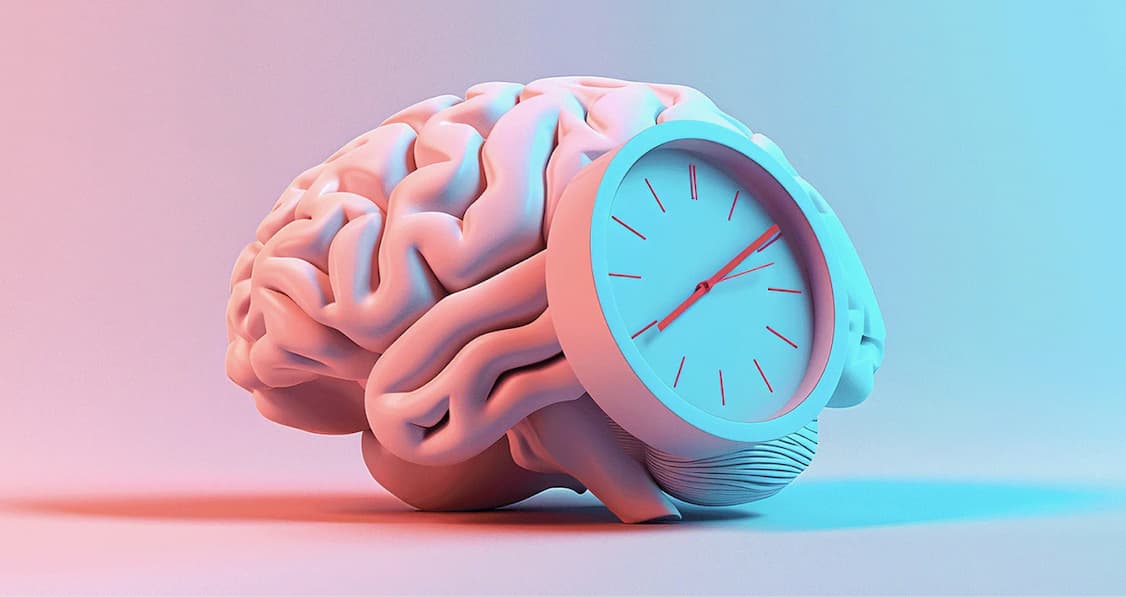
What is your circadian rhythm—and how does it impact your health?
|
|
|
|
|
Circadian rhythms are the 24-hour biological cycles that govern sleep, metabolism, hormone release, and more. When they fall out of sync—due to light exposure, shift work, or aging—the effects ripple across nearly every system in the body. Here's what's happening, and how to keep your clock running on time. (Read more)
|
|
|
|