Thanks for reading The Abstract. This month’s edition is
1,090 words, about a
4-minute read.
Is there a topic that you’d like to see more of in
The Abstract? Drop us a line at
abstract@elysiumhealth.com. Want to get
The Abstract in your inbox? Sign up here.
|
|

|
|
|
|
Welcome to the March edition of
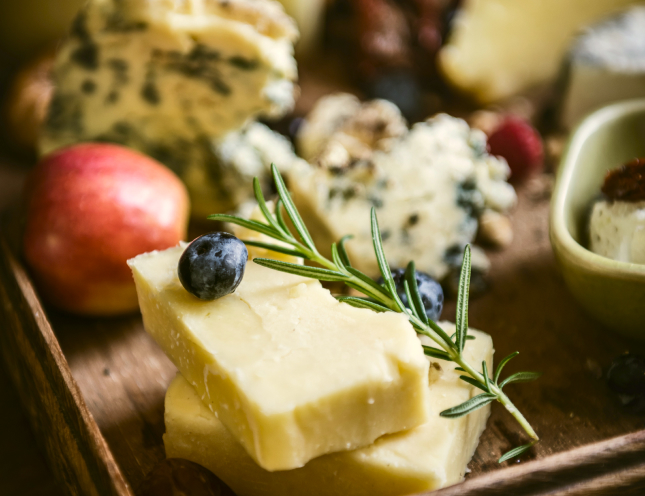
The Abstract. This month’s longevity science roundup explores several surprising findings across nutrition, metabolism, and brain health. Our feature study revisits long-standing assumptions about dietary fat, with a 25-year cohort analysis linking higher intake of full-fat dairy—particularly cheese and cream—to lower dementia risk. Other research examines whether intermittent fasting truly outperforms traditional dieting strategies, how quickly creatine supplementation can influence strength and recovery, and how menopause may affect brain structure and mental health in a large population analysis. Finally, a new study in
Cell uncovers a potential liver-to-brain signaling pathway that may help explain how exercise protects cognitive function during aging.
|
|
|
A 25-year dementia study challenges
“low-fat dairy” assumptions
|
|
|
|
|
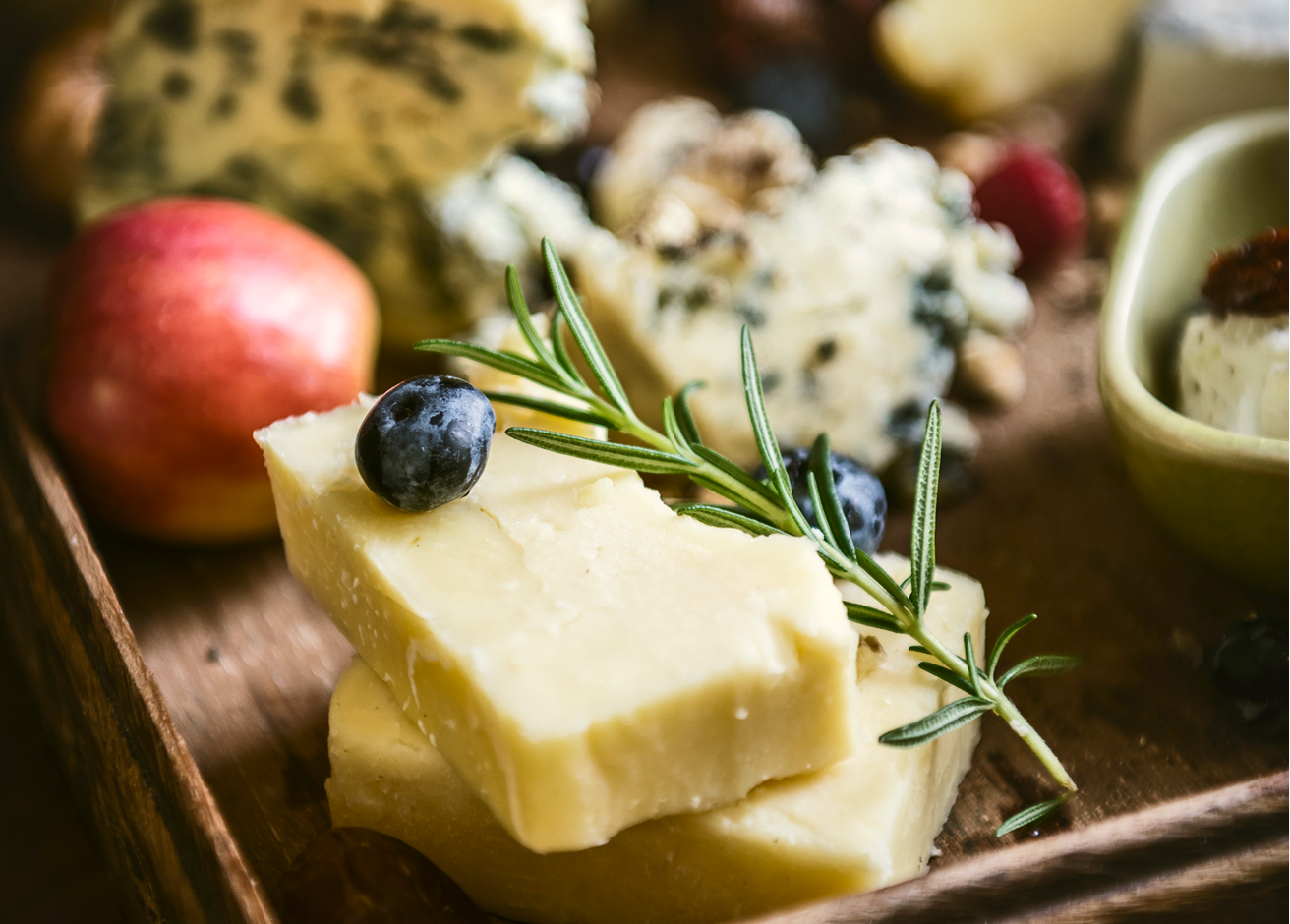
A Swedish prospective cohort study followed 27,670 adults for up to 25 years, tracking dementia diagnoses through national registers. Higher intake of high-fat cheese (>20% fat) was linked to lower dementia risk: consuming ≥50 g/day was associated with reduced all-cause dementia and vascular dementia versus low intake. High-fat cream (>30% fat) showed a similar pattern: ≥20 g/day was associated with a 16% lower all-cause dementia risk. Most other dairy categories—including low-fat cheese/cream and milk—showed no clear association. As an observational study, it can’t prove causality—but it adds nuance to how “dairy” is discussed in brain aging.
|
|
|
The Expert’s Take:
|
|
“This new study, although observational, provides more support for the growing body of evidence that full fat dairy, especially fermented options like yogurt and cheese, is beneficial for health. The results also align with the new 2025 Dietary Guidelines for Americans, which have appropriately absolved full fat dairy and allowed it back into the menu of healthy choices after a 45-year wrongful conviction.”
|
Dariush Mozaffarian, M.D., Dr.P.H.
Cardiologist and director of the Food is Medicine Institute at the Friedman School of Nutrition Science and Policy at Tufts University, and member of the Elysium Scientific Advisory Board
|
|
|
|
|
|
|
|
|
THIS MONTH
|
|
|
|
What We’re Reading
|
|
These are third-party articles about science that we find interesting but have no relationship to Elysium or any of our products. Elysium’s products are not intended to screen, diagnose, treat, cure, or prevent any disease.
|
|
Three days of creatine improved strength performance in trained lifters
|
|
A double-blind, randomized, crossover trial in 10 resistance-trained men tested whether creatine could affect performance within just a few days. After three days of creatine monohydrate supplementation, participants completed more repetitions and moved the weight faster during bench press and squat exercises compared with placebo. The creatine group also showed less muscle soreness and better recovery of explosive leg power before the second training session. While the study was small and short-term, the findings suggest that creatine may begin supporting strength performance and recovery within days, not just after longer loading periods. (Journal of the International Society of Sports Nutrition)
|
|
A liver enzyme may carry exercise’s benefits to the brain
|
|
A new study in
Cell uncovered a potential mechanism by which exercise benefits the aging brain. The authors previously identified circulating blood factors in exercised mice (exerkines), which conferred cognitive benefits when administered to sedentary, aged mice. In this new study, the authors demonstrate that one of these exerkines, a liver-derived enzyme called GPLD1, restored memory performance and improved the integrity of the blood–brain barrier, the vascular system that regulates what enters the brain. The mechanism appears to involve reducing activity of an enzyme called TNAP on brain blood vessels, which becomes elevated with age and disrupts normal transport between blood and brain. In mouse models of Alzheimer’s disease, boosting GPLD1—or directly inhibiting TNAP—reduced amyloid pathology and improved cognitive performance. While these findings are limited to animal models, they highlight a potential liver-to-brain signaling pathway through which exercise may protect cognition. (Cell)
|
|
Menopause linked to brain structure shifts
|
|
A large UK Biobank analysis of nearly 125,000 women examined how menopause and hormone-replacement therapy (HRT) relate to mental health, cognition, and brain structure. Compared with pre-menopausal women, post-menopausal women reported higher levels of anxiety, depression, sleep difficulties, and fatigue. Brain imaging from more than 10,000 participants also showed smaller gray-matter volumes in regions involved in memory and emotional regulation, including the hippocampus and anterior cingulate cortex. Surprisingly, women using HRT reported greater mental-health challenges than post-menopausal women not using HRT, although follow-up analyses suggest this may reflect pre-existing symptoms among women more likely to be prescribed HRT. Overall, the findings highlight the significant psychological and brain changes associated with menopause and the need for better mental-health support during this transition. (Psychological Medicine)
|
|
Does intermittent fasting work better than traditional dieting?
|
|
A Cochrane systematic review analyzed 22 randomized controlled trials involving 1,995 adults with overweight or obesity to evaluate whether intermittent fasting leads to greater weight loss than standard dietary advice. Across studies lasting up to 12 months, intermittent fasting produced little to no difference in weight loss or quality of life compared with conventional calorie-reduction approaches. Compared with no intervention, intermittent fasting also showed minimal differences in weight loss outcomes. The authors note that the overall certainty of evidence ranged from moderate to very low, and that most studies were relatively short-term. Taken together, the findings suggest intermittent fasting may work for some people—but does not appear to outperform traditional dieting strategies overall. (Cochrane Library)
|
|
|
|
|
|
TERM OF THE MONTH
|
|
Creatine
|
|
/ˈkriːəˌtiːn/
|
|
Creatine is a naturally occurring compound found in muscle and brain tissue that helps cells produce energy during short bursts of activity. The body makes small amounts of creatine in the liver and kidneys, and it can also be obtained through foods like red meat and fish or through supplements. In muscles, creatine helps quickly regenerate ATP, the primary molecule used for cellular energy, which is why it has long been studied for its ability to support strength, power, and recovery during exercise. Emerging research also suggests creatine may play roles in brain energy metabolism and healthy aging, making it an area of growing interest in longevity science.
|
|
|
|
|
|
AGING 101
|
|
What are senolytics?
|

|
|
|
|
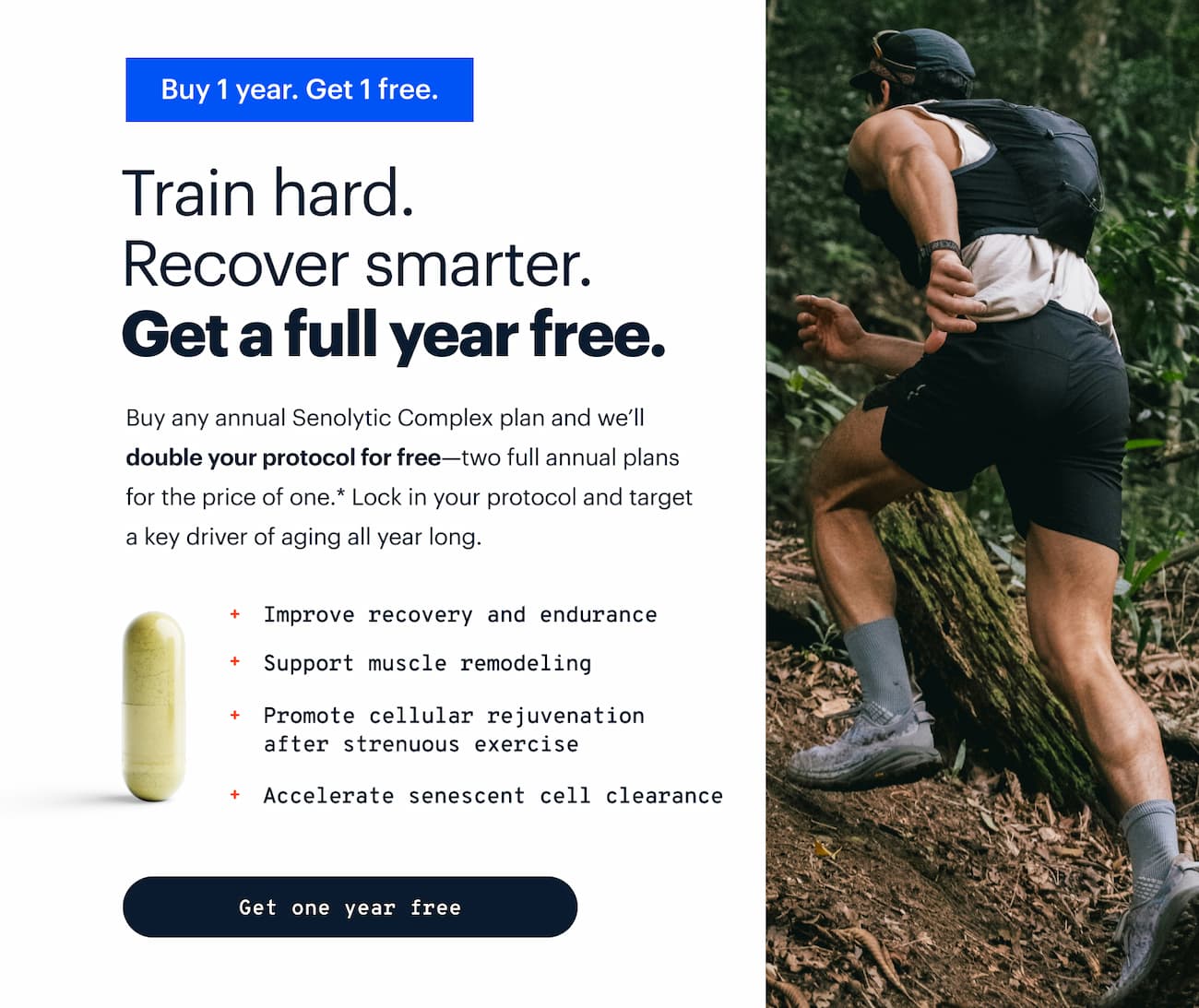
Senolytics are compounds that selectively target senescent cells and are one of the most promising recent discoveries in aging research—with benefits for healthy aging, inflammaging, and exercise recovery and endurance. (Read more)
|
|
|
|