Thanks for reading The Abstract. This month’s edition is
1,090 words, about a
4-minute read.
Is there a topic that you’d like to see more of in
The Abstract? Drop us a line at
abstract@elysiumhealth.com. Want to get
The Abstract in your inbox? Sign up here.
|
|

|
|
|
|
Welcome to the February edition of
The Abstract. This month’s longevity science newsletter covers new research with very actionable takeaways for living your healthiest life possible. Our feature study is a mega-analysis linking memory decline to brain atrophy, with expert insight from Scientific Advisory Board member A. David Smith, MA, DPhil, FMedSci, who points to
Matter as a way to slow brain atrophy. Other studies reveal that NR and NMN outperform Nam as NAD+ precursors, small stacked lifestyle changes can lead to a longer life, and the shingles vaccination is linked to slower biological aging. Finally, research on astronauts found that a mission to space had a surprising impact on their biological age.
|
|
|
Memory decline tracks brain atrophy—mostly in later life
|

|
|
|
|
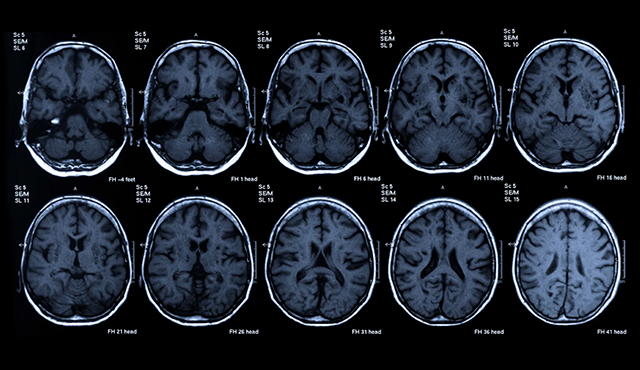
In a mega-analysis of 13 longitudinal cohorts (3,700+ cognitively healthy adults; 10,000+ MRI scans), researchers reporting in Nature Communications found that memory decline is linked to brain atrophy, primarily in individuals with above-average structural brain decline. The association strengthened with age—becoming most pronounced from the 60s onward, especially in the hippocampus, but extending across multiple cortical and subcortical regions—suggesting shared structural systems underlying memory in later life. While APOE ε4 carriers showed steeper brain and memory decline overall, genetic risk did not alter the structure-memory coupling itself, supporting a model of cognitive aging in which vulnerability in memory decline reflects accelerating structural changes rather than overt pathology.
|
|
| The Expert’s Take:
|
|
“This monumental study, led from Oslo, of brain scans from nearly 4,000 people is a landmark in our understanding of the relation of brain structure to memory decline. It shows that we have to consider a multi-dimensional view of the relationships between brain structure, aging, and memory. Not surprisingly, the authors found that structures making up the medial temporal lobe, particularly the hippocampus, showed the strongest correlation between brain atrophy and memory decline. One of the many factors that drive these changes in the medial temporal lobe is plasma homocysteine, as shown in the VITACOG trial from Oxford, which found that slowing of medial temporal lobe atrophy by
treatment to lower homocysteine also protected against memory decline (Douaud et al 2013).
Elysium’s Matter is a combination of nutrients that is designed to slow brain atrophy by this mechanism.”
|
A. David Smith, MA, DPhil, FMedSci
Professor Emeritus of Pharmacology at the University of Oxford, Founding Director of OPTIMA, and Elysium Scientific Advisory Board member and Matter product advisor
|
|
|
|
|
|
|
|
|
THIS MONTH
|
|
|
|
What We’re Reading
|
|
These are third-party articles about science that we find interesting but have no relationship to Elysium or any of our products. Elysium’s products are not intended to screen, diagnose, treat, cure, or prevent any disease.
|
|
NR and NMN outperform nicotinamide for sustained NAD+
|
|
In a randomized, placebo-controlled human study, researchers directly compared three
NAD+ precursors—nicotinamide riboside (NR), nicotinamide mononucleotide (NMN), and nicotinamide (Nam)—and found that NR and NMN, but not Nam, produced a sustained ~2-fold increase in whole-blood NAD+ after 14 days. Additional experiments revealed why: NR and NMN are metabolized by the gut microbiome into nicotinic acid (NA), which then efficiently raises NAD+, while Nam is rapidly absorbed and only transiently affects NAD+.
Ex vivo microbiome studies further showed that NR and NMN increased microbial activity and short-chain fatty acid production, pointing to a dual effect—sustained elevation of systemic NAD+ levels and gut-level metabolic engagement. (Nature Metabolism)
|
|
Small lifestyle changes = longer life
|
|
In a UK Biobank cohort of ~59,000 adults, researchers found that small, combined improvements in sleep, physical activity, and diet were associated with meaningful gains in lifespan and healthspan. The most favorable pattern—7.2-8.0 hours of
sleep per night, >42 minutes/day of moderate-to-vigorous physical activity, and higher diet quality—was linked to over 9 additional years of life and disease-free life compared with the least favorable pattern. Even modest combined changes mattered: roughly +5 minutes/day of sleep, +1.9 minutes/day of activity, and a small diet upgrade (e.g., ½ serving more vegetables/day or 1.5 servings more whole grains) were associated with one additional year of lifespan, underscoring the power of small, sustainable habit changes when made together. (eClinicalMedicine)
|
|
Shingles vaccination linked to slower biological aging
|
|
In an observational study from the USC Leonard Davis School of Gerontology, shingles (herpes zoster) vaccination was associated with slower biological aging in 3,800+ U.S. adults aged 70 and older. Vaccinated individuals showed lower inflammation, enhanced immune markers, and slower epigenetic and transcriptomic aging, resulting in a lower composite biological aging score compared with unvaccinated peers. The associations were strongest within the first three years post-vaccination, with slower aging signals persisting beyond that window. (USC)
|
|
Astronauts age faster in space, but rebound on Earth
|
|
In a small but deeply profiled human study, researchers tracked 32 DNA methylation-based aging clocks in four astronauts before, during, and after a 9-day mission to the International Space Station. They found that biological age increased rapidly in space—but reversed just as quickly after returning to Earth. By flight day 7, epigenetic age accelerated by an average of ~1.9 years, followed by a marked decline post-flight, with older astronauts returning to baseline and younger astronauts dropping below pre-flight biological age. While some of this fluctuation was driven by immune cell shifts, several age and mortality-based clocks showed acceleration even after adjustment, suggesting that spaceflight induces real—but reversible—aging-like stress on human biology. (Aging Cell)
|
|
|
|
|
|
TERM OF THE MONTH
|
|
Homocysteine
|
|
/ˌhoʊməˈsɪstin/
|
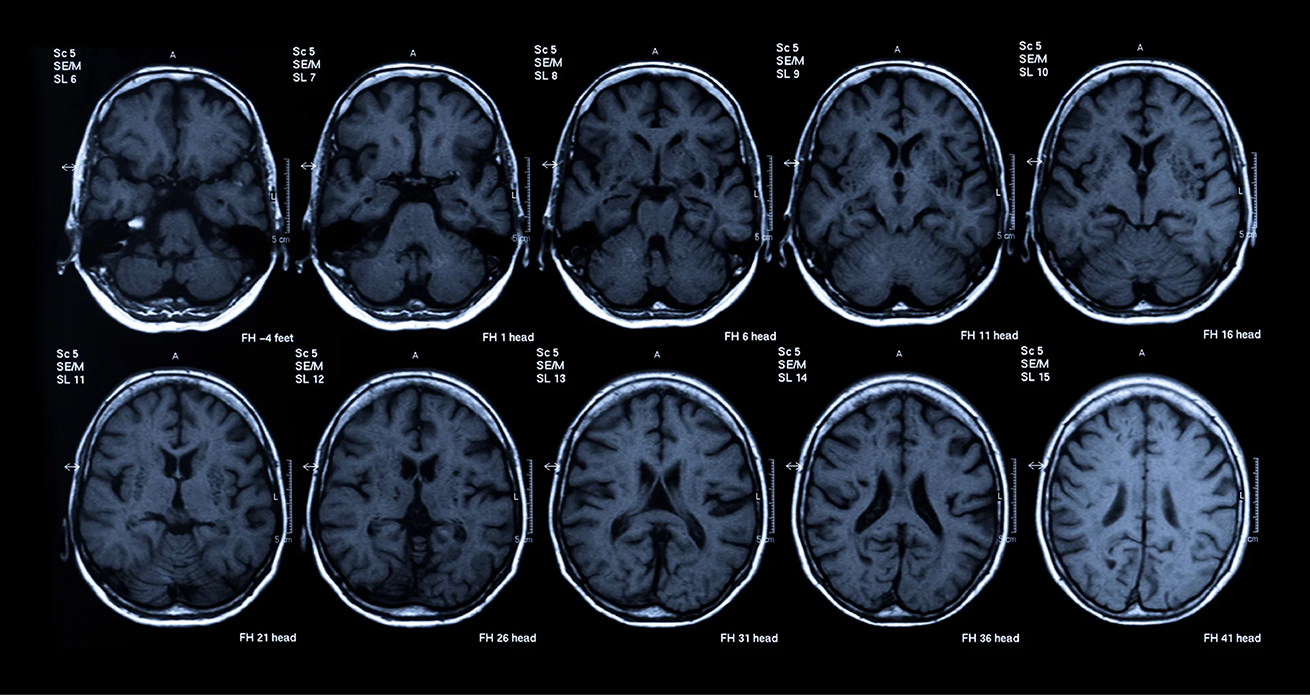
| Homocysteine is an amino acid that circulates in the blood. Normal levels of homocysteine have been associated with good B-vitamin status, while high levels of homocysteine have been associated with a variety of health problems. For example, research has shown that having high levels of homocysteine in the blood is correlated with brain atrophy in healthy older adults.
|
|
|
|
|
|
AGING 101
|
|
A supplement combination that can help preserve cognitive function
|
|
|
|
|
An essential key to long-term brain health may lie in a simple but powerful combination of nutrients: a vitamin-B complex in combination with omega 3s. While these may already exist in your medicine cabinet, you’ll need a particular formation of them. Read on to find out how a unique formulation was developed based on a foundation of 30 years of research at the University of Oxford. (Read more)
|
|
|
|