Thanks for reading The Abstract. This month’s edition is
844 words, about a
3-minute read.
Is there a topic that you’d like to see more of in
The Abstract? Drop us a line at
abstract@elysiumhealth.com. Want to get
The Abstract in your inbox? Sign up here.
|
|

|
|
|
|
This month’s edition of
The Abstract examines how everyday ingredients and interventions—from cocoa to exercise to common medications—shape health and longevity. Our expert-curated studies link theobromine to slower epigenetic aging, identify NAD+ homeostasis as a modifiable driver of Alzheimer’s pathology (in mice), highlight garlic’s antiviral properties, and point out a potential drawback of taking metformin. And there’s good news for those of you following the debate about the quality of Blue Zones data: Scientists have confirmed that they were validated using rigorous demographic methods, suggesting that lifestyle habits such as movement, diet, social cohesion, and purpose remain worthy longevity strategies.
|
|
|
Theobromine, from cocoa, and slower epigenetic aging
|

|
|
|
Using metabolomic data from two large human cohorts, researchers found that higher circulating levels of theobromine—an alkaloid found in cocoa and in lower concentrations in coffee—were associated with slower biological aging. The association held across multiple biological age clocks, including GrimAge and DNAm PhenoAge, replicated independently, and remained specific to theobromine after accounting for other coffee and cocoa metabolites—linking a common dietary compound to molecular markers of human aging.
“Our study finds links between a key component of dark chocolate and staying younger for longer,” said Jordana Bell, DPhil, Professor in Epigenomics in the Department for Twin Research and Genetic Epidemiology at King's College London, and senior author on the study. “While we’re not saying that people should eat more dark chocolate, this research can help us understand how everyday foods may hold clues to healthier, longer lives.”
|
|
|
The Expert’s Take:
|
|
“This paper examines a possible relationship between theobromine, an alkaloid found in cocoa, and biological age as determined by DNA methylation clocks. The data from two large, human cohorts suggest that theobromine levels may correlate with a lower biological age. It will be of interest to follow further studies on this topic.”
|
Leonard Guarente, Ph.D.
Novartis Professor of Biology at MIT and Elysium co-founder and chief scientist
|
|
|
|
|
|
|
|
|
THIS MONTH
|
|
|
|
What We’re Reading
|
|
These are third-party articles about science that we find interesting but have no relationship to Elysium or any of our products. Elysium’s products are not intended to screen, diagnose, treat, cure, or prevent any disease.
|
|
NAD+ homeostasis emerges as a lever for Alzheimer’s recovery
|
|
Alzheimer’s disease has long been treated as a one-way process. In this study, restoring brain
NAD+ homeostasis reversed cognitive deficits and core pathology in advanced mouse models of Alzheimer’s—including amyloid, tau phosphorylation, blood–brain barrier breakdown, and neuroinflammation. Currently there is no evidence showing the same result would be extrapolated to humans. (Cell Reports Medicine)
|
|
Do Blue Zones “count”? Yes.
|
|
Are Blue Zones real, or artifacts of bad data? In this forum paper, leading aging researchers Steven Austad and Giovanni Pes explain how the original Blue Zones were validated using rigorous demographic methods, confirming that their longevity patterns are genuine. Importantly, the authors emphasize that Blue Zones are not magical places but historically specific populations shaped by lifestyle, social structure, and environment—and that these advantages can fade with modernization. The takeaway: longevity appears less about geography itself and more about durable daily patterns—movement, diet, social cohesion, and purpose—sustained over decades. (The Gerontologist)
|
|
Exercise benefits are reduced with metformin
|
|
Exercise is widely prescribed alongside metformin to reduce diabetes and cardiovascular risk. In a 16-week randomized, placebo-controlled trial of adults at risk for metabolic syndrome, researchers found that metformin significantly blunted exercise-induced improvements in vascular insulin sensitivity, aerobic fitness, and blood sugar control across both low- and high-intensity training. The findings suggest that combining pharmacologic and lifestyle interventions does not always produce additive benefits—and that some drugs may interfere with the body’s adaptive response to exercise. (Technology Networks)
|
|
Can garlic help prevent viral infections?
|
|
It’s cold and flu season—and one evidence-based vegetable is probably in your kitchen: garlic. A 2020 review found that garlic (Allium sativum) and its organosulfur compounds, such as allicin and ajoene, show antiviral activity across many viruses by interfering with viral entry, replication, and immune signaling. Evidence from human trials suggests small but consistent preventive benefits and severity reduction for common viral infections like colds and flu—supporting regular dietary garlic or standardized extracts as a low-risk way to support immune resilience as part of broader health habits. (Trends in Food Science & Technology)
|
|
|
|
|
|
TERM OF THE MONTH
|
|
NAD⁺ homeostasis
|
|
/ˌɛn.eɪ.diːˈplʌs hoʊmiˈoʊstəsɪs/
|
|
NAD+ homeostasis refers to the balance between the production, recycling, and consumption of NAD+, a molecule essential for cellular energy, DNA maintenance, and hundreds of other processes. When this balance is disrupted—as seen in aging—cellular function declines. Restoring NAD+ homeostasis has emerged as a key target in longevity research.
|
|
|
|
|
|
AGING 101
|
|
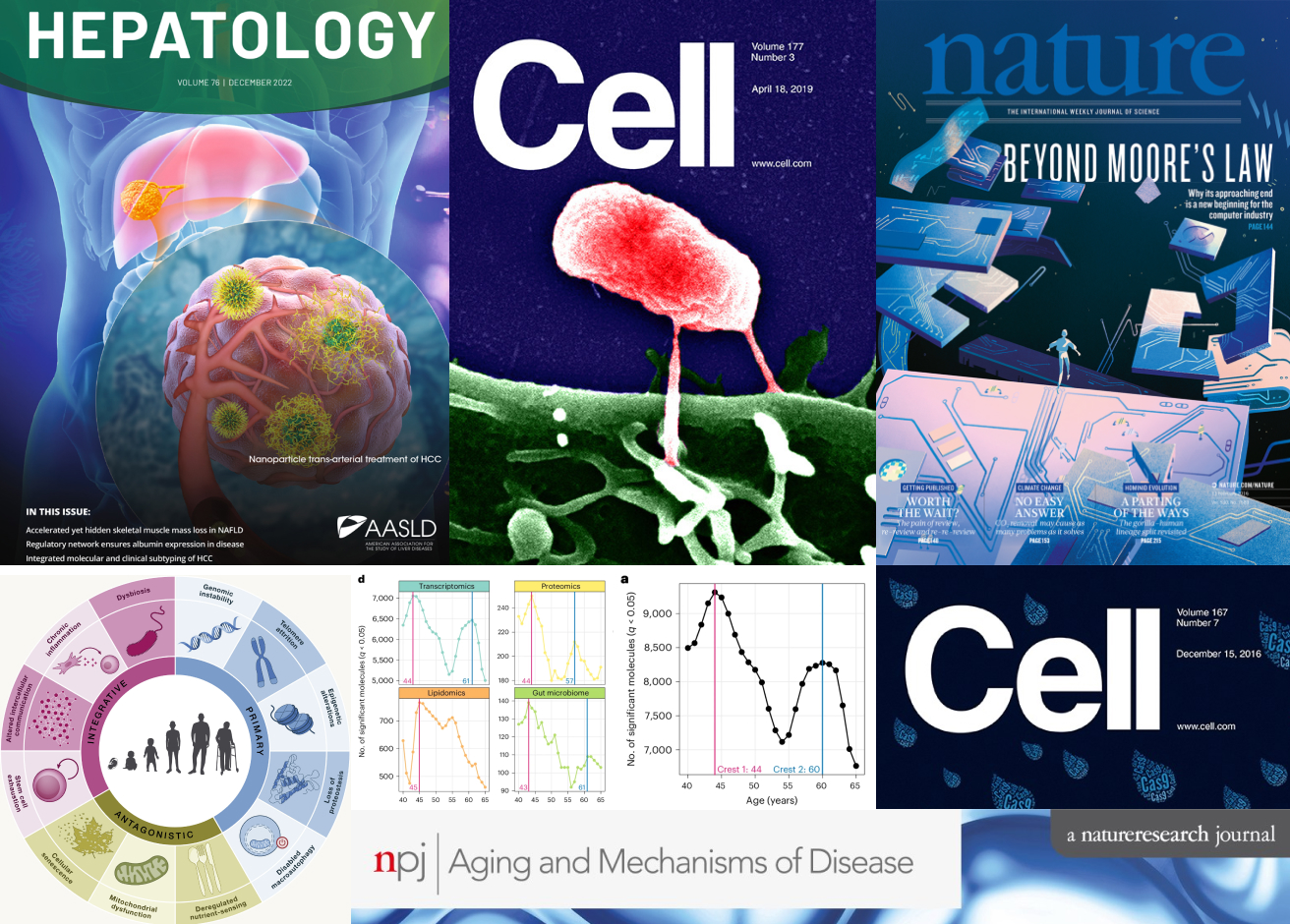
Top 10 longevity studies of the past decade
|
|
|
|
|
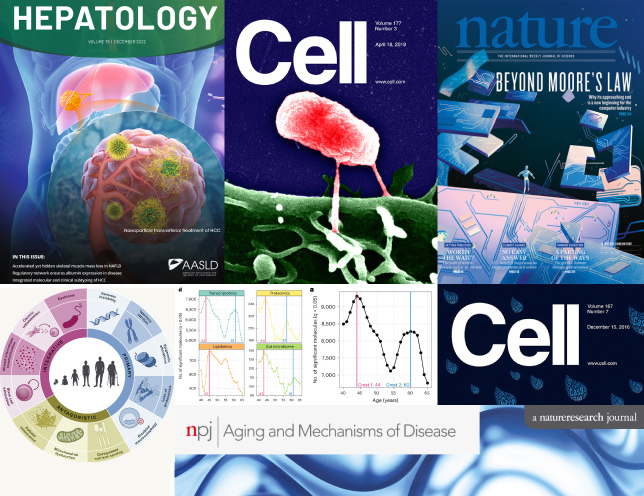
For the past decade, longevity science has moved from bold hypotheses to concrete human evidence.
The Abstract is where we track that shift—documenting the studies that changed how we think about aging. To celebrate Elysium’s 10-year anniversary, we selected 10 studies from the past decade that defined mechanisms, tested interventions, and reframed aging as something measurable, targetable, and increasingly actionable—one paper at a time. (Read more)
|
|
|
|