|
||||||||||||||||||||||||||||||||||||||||||||||||||||||||||||||||||||||||||||||||||








|
|
|
|
|
|
Latest Emails from golfdigest
See moregolfdigest
8:04 PM (Yesterday)
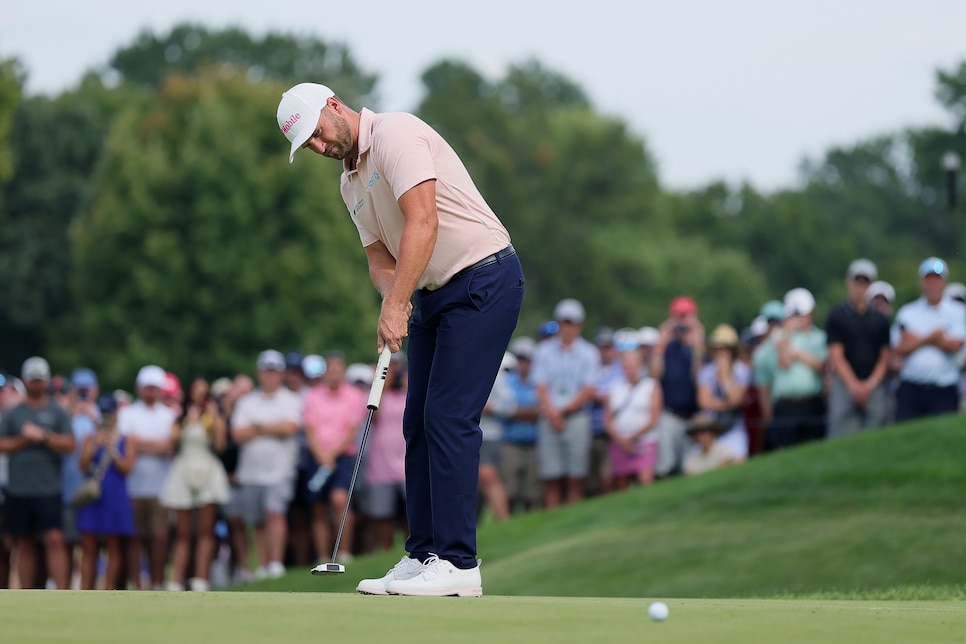
The YouTube Golf brand took down an advertisement after it depicted a female golfer being shoved down ͏ ͏ ͏ ͏ ͏ ͏ ͏ ͏ ͏ ͏ ͏ ͏ ͏ ͏ ͏ ͏ ͏
golfdigest
Sat 8:06 PM
Golfers who want to video analyze their swing must have these key positions to get right ͏ ͏ ͏ ͏ ͏ ͏ ͏ ͏ ͏ ͏ ͏ ͏ ͏ ͏ ͏ ͏ ͏ ͏ ͏

golfdigest
Fri 8:02 PM
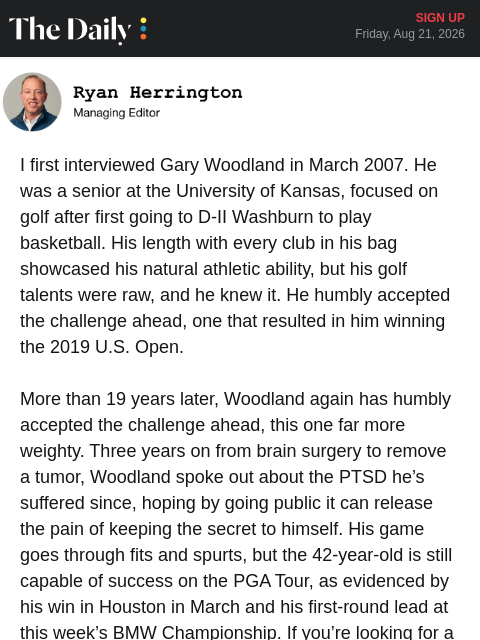
Gary Woodland's inspiring season continues as he attempts to qualify for Tour Championship ͏ ͏ ͏ ͏ ͏ ͏ ͏ ͏ ͏ ͏ ͏ ͏ ͏ ͏ ͏ ͏ ͏ ͏
golfdigest
Fri 5:02 PM
A Message From Our Partner: Image The FedExCup Playoffs continue Thursday through Sunday as the top 50 PGA TOUR players compete at the BMW Championship. Stakes have never been higher as only 30 will

golfdigest
Fri 3:31 PM
Some advice for juniors, golf swing checkpoints, and two lessons from the US Amateur ͏ ͏ ͏ ͏ ͏ ͏ ͏ ͏ ͏ ͏ ͏ ͏ ͏ ͏ ͏ ͏ ͏ ͏ ͏ ͏
golfdigest
Thu 8:25 PM
No matter the value a LIV golfer might bring back to the PGA Tour, there need to be consequences for those who left ͏ ͏ ͏ ͏ ͏ ͏ ͏ ͏ ͏ ͏ ͏ ͏ ͏ ͏ ͏
golfdigest
Wed 8:01 PM
Why the player of the year debate still starts and ends with Scottie Scheffler SIGN UP Wednesday, Aug 19, 2026 Did you know there's nearly $100 million (!) in FedEx Cup bonuses on the line at this
golfdigest
Wed 4:15 PM
The Golf Digest betting panel's picks for the 2026 BMW Championship ͏ ͏ ͏ ͏ ͏ ͏ ͏ ͏ ͏ ͏ ͏ ͏ ͏ ͏ ͏ ͏ ͏ ͏ ͏ ͏ ͏ ͏