| |||||||||||||||||||||||||||||||||||||||||||||||||||||||||||||||||||||||||||||||||||||||||||||||||











Latest Emails from golfdigest
See moregolfdigest
9:03 PM (Yesterday)
What to do about Rahm and a possible PGA Tour return ͏ ͏ ͏ ͏ ͏ ͏ ͏ ͏ ͏ ͏ ͏ ͏ ͏ ͏ ͏ ͏ ͏ ͏ ͏ ͏ ͏ ͏ ͏ ͏ ͏
golfdigest
Mon 9:07 PM
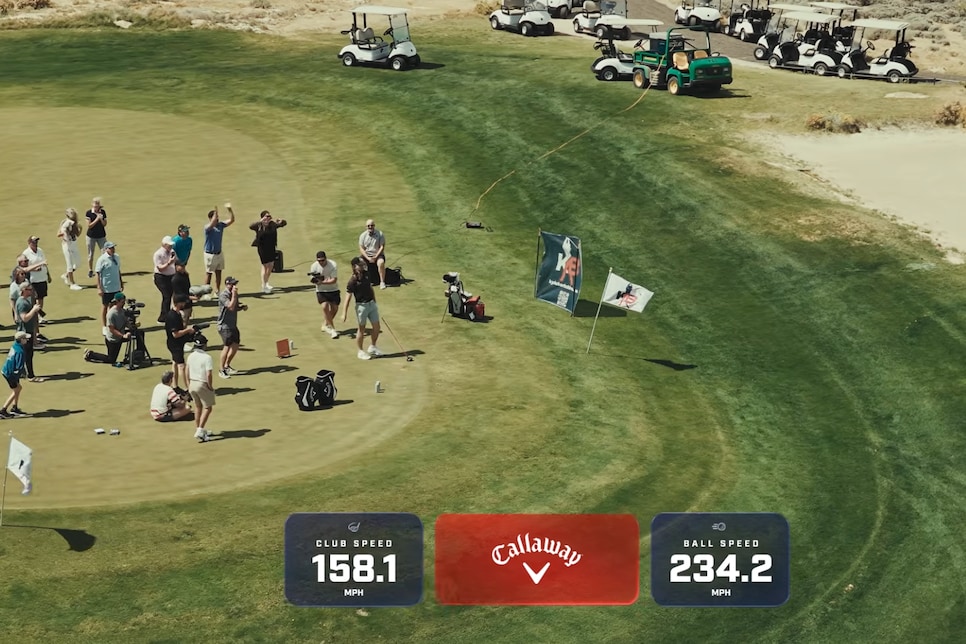
We're in the Golden Age of celebrity golf. JOIN NOW Monday, Nov 02, 2026 In case you haven't noticed, we're in the Golden Age of celebrity golf—and the timing has coincided nicely with Golf
golfdigest
Sun 9:00 PM
This one was a bit sweeter for Fifa Laopakdee ͏ ͏ ͏ ͏ ͏ ͏ ͏ ͏ ͏ ͏ ͏ ͏ ͏ ͏ ͏ ͏ ͏ ͏ ͏ ͏ ͏ ͏ ͏ ͏ ͏ ͏

golfdigest
Sat 8:07 PM
Brooks didn't hold back when asked about Bryson and Rory's Masters misunderstanding. ͏ ͏ ͏ ͏ ͏ ͏ ͏ ͏ ͏ ͏ ͏ ͏ ͏ ͏ ͏ ͏ ͏ ͏
golfdigest
Sat 6:33 PM
It can feel impossible to find a tee time at a top course for $100. ͏ ͏ ͏ ͏ ͏ ͏ ͏ ͏ ͏ ͏ ͏ ͏ ͏ ͏ ͏ ͏ ͏ ͏ ͏ ͏ ͏ ͏ ͏

golfdigest
Fri 8:11 PM
The golf course rating system is a lot harder than it looks ͏ ͏ ͏ ͏ ͏ ͏ ͏ ͏ ͏ ͏ ͏ ͏ ͏ ͏ ͏ ͏ ͏ ͏ ͏ ͏ ͏ ͏ ͏ ͏
golfdigest
Fri 3:12 PM
A weird golf swing, a trick of the eyes, and what I'm working on ͏ ͏ ͏ ͏ ͏ ͏ ͏ ͏ ͏ ͏ ͏ ͏ ͏ ͏ ͏ ͏ ͏ ͏ ͏ ͏ ͏ ͏
golfdigest
Thu 8:04 PM
Here are 6 commonly misunderstood rules you should know. JOIN NOW Thursday, Oct 29, 2026 It's time for a confession. At least once a week, in the heart of the golf season, a playing partner will