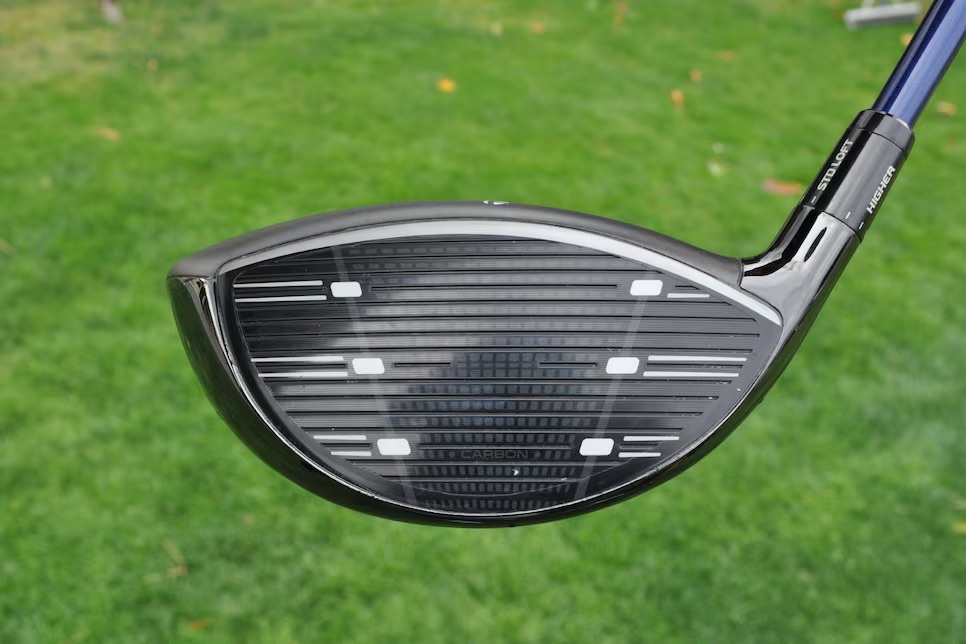
Scottie Scheffler doesn't typically mess with his equipment during the season. There's rarely a good reason to introduce a new variable when you're already dominating. So when he switched to TaylorMade's Qi4D driver at the start of the FedEx Cup playoffs—right before winning the Tour Championship—it caught people's attention.
What we found during a recent round of robotic testing is that the change makes more sense once you understand who Qi4D is designed for. Most drivers are engineered for a specific miss pattern or type of player. But TaylorMade's Qi4D is built differently. During our testing, the driver launched lower and spun less than anything that came before it. We wouldn’t call that a small tweak, but rather a fundamental shift in how the head delivers loft at impact.
Low launch and low spin typically appeal to one type of golfer: someone who can move it. Someone with a positive angle of attack and speed to spare. Someone, in other words, like Scottie.
We tested three years of TaylorMade drivers on the Golf Laboratories swing robot—Qi10, Qi35, Qi4D—to see how the lineup evolved. The analysis digs into whether Qi4D's blueprint for more speed works at different swing speeds, and whether there's a fitting strategy that brings it into playable territory for golfers who don't have Scottie's speed.
Check out the video breakdown first if you want the quick version. Then read the full three-year analysis piece to learn who these drivers are actually built for.
|
TaylorMade’s Qi4D lineup is built for speed |
Low launch and spin aren't for everyone—but they're perfect for someone like Scottie. |
Even at the highest level of professional golf, traditional muscleback long irons are a rarity. In the early 2000s, pros were still using one iron model through the bag, which meant the long irons were unforgiving blades in many cases. The philosophy began to change around 2010, as blended sets (using more than one model) surged in popularity. In most cases, that meant replacing a blade 3- or 4-iron with a slightly more forgiving cavity-back or hollow-body model. Today, more than 60 percent of tour pros have a blended set—and it's even more commonplace at the recreational level.
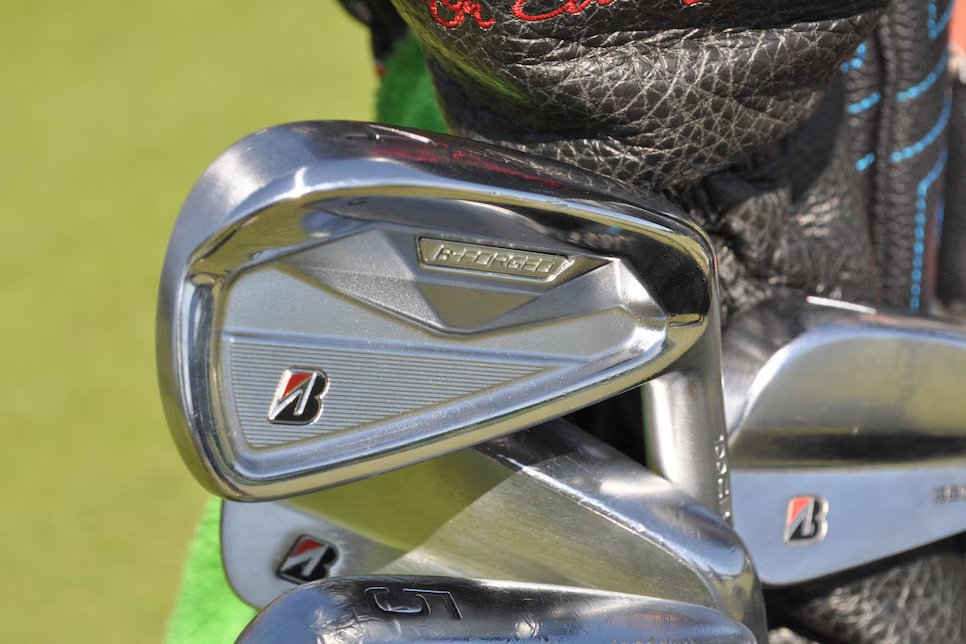
This brings us to Chris Gotterup, who was one of the few remaining holdouts still wielding a blade 4-iron (Bridgestone 220 MB) on tour. That recently changed at the BMW Championship when he inserted a prototype Bridgestone B-Forged 100CB 4-iron. The cavity-back model gives Gotterup a bit more heel-toe forgiveness, which is a nice-to-have on Sundays when the pressure cranks up. The B-Forged is already available for pre-order in Asia, so there's a chance Gotterup's newest addition will make its way to the States.
|
As the Wall Street types like to say, no line ever goes straight up—and the red-hot golf industry is no exception. While rounds played continue toward another record pace in 2026, the report of July equipment sales figures from industry research firm Golf Datatech suggests a slowing of buying enthusiasm. Sales, often in both units and dollars, were down in bags, balls, irons, putters, shoes, wedges and woods in July compared to numbers from July 2025. Only in the big-ticket woods category were sales up in dollars (+2.1 percent). For the year, most categories are down in units sold, compared to the first seven months of 2025, although balls, wedges and putters are up in dollars, the latter some 10.5 percent higher than last year. Worth noting that the average selling price for a wood now is nearly 40 percent higher than it was before the pandemic—an average putter sells for almost $350 (about $125 more than it sold for in 2019) and the average price for a dozen balls is now more than $42. There’s a sense from some that premium golf equipment pricing has hit a sticker shock breaking point, but it’s worth noting that the golf data mirrors down news in the U.S. economy, which saw an unexpected drop in July that analysts suggested was a result of consumers spending less because of higher gas prices and inflation. One silver lining: Sales (in dollars) are higher than they were in most categories in 2024.
|
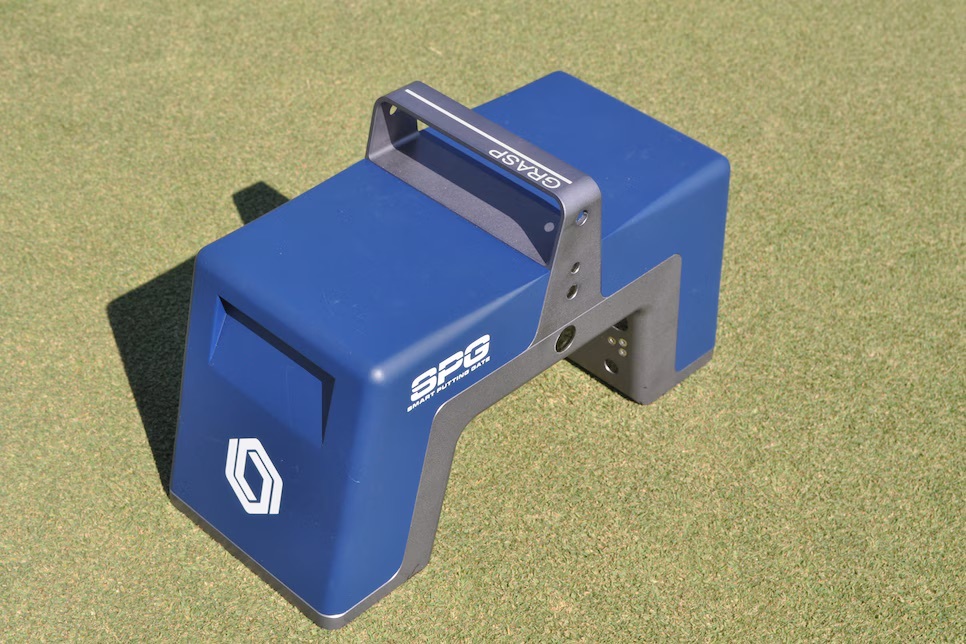
Grasp Technology's Smart Putting Gate (SPG) is nearly ready for its retail debut. The portable putting device has been a common sight on the PGA Tour this season and was spotted being used by Ryan Gerard and Justin Rose on Monday at East Lake. Like most high-tech devices that get trotted out on tour, SPG has been readily available to tour pros and high-level amateurs, but a retail offering was noticeably missing. According to co-inventor Phil Long, that will be changing in the coming month. Long confirmed SPG will be available to consumers later this year, with a street price of $12,500. The unit features a high-speed camera system that captures a face-on view of the putter at impact, as well as speed, line and impact data as the ball goes through the gate. The unit is designed to eliminate guesswork during a putter testing session, providing visual confirmation and real-time data that can help a pro decide a head-to-head battle between two putters.
|
|
|
Scottie Scheffler’s Tour Championship-winning bag |
|
|
|
Golf Digest Hot List 2026 |
|
|
|
A warning sign in the golf equipment space |
|
|
|
|