There are few phrases in golf, and maybe sports overall, more loaded than “on-paper favorites.” Whenever you hear this, be very afraid.
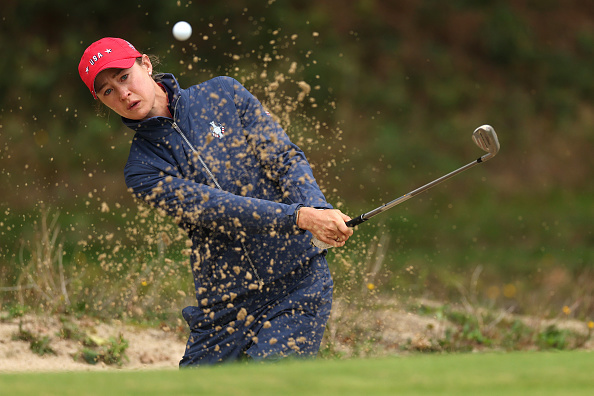
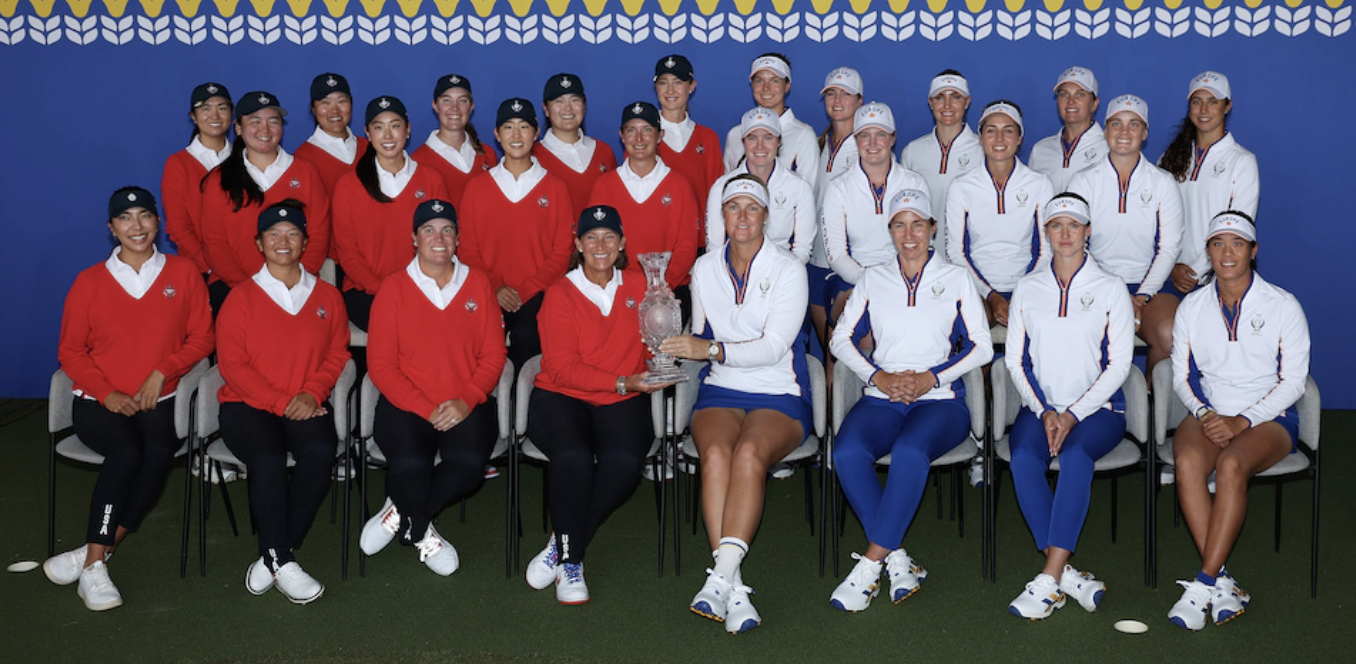
I mention this because Friday marks the start of the Solheim Cup in the Netherlands, where our Jill Painter Lopez reports that the U.S team captained by Angela Stanford has several inherent advantages, beginning with superstar Nelly Korda and continuing with a roster that features just two rookies compared to Europe’s four. But Painter Lopez says this will be tougher than it sounds.
The U.S. hasn’t won in Europe in 11 years, and as their male counterparts in the Ryder Cup can attest, saying a team is better is a potential avenue to making that team worse.
Sure things are for paper, but golf is played on grass.
|
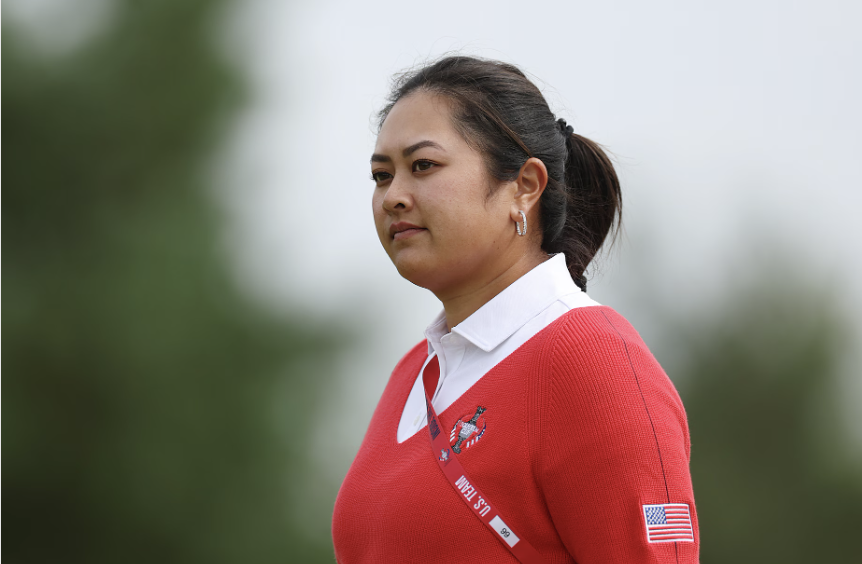
It’s a strange week for Lilia Vu. She was scheduled to be in the wedding party of her best friend in Los Angeles this weekend. She didn’t make the U.S. Solheim Cup team, but she got a call from captain Angela Stanford. Vu was asked to be an alternate. Sometimes the alternate doesn’t travel, but with Angel Yin’s game an unknown, having just returned from a two-month absence due to gastrointestinal issues, Vu was asked to go to the Netherlands, just in case. Yin has practiced all week and is scheduled to play. If Vu doesn’t play, she’ll head to Los Angeles on Friday so that she can attend the wedding. “I was supposed to be in the wedding, but we’re settling for guest,” Vu said.
It’s a scenario Vu, the former World No. 1 and two-time major winner, hadn’t envisioned. She is now ranked 235th in the world and has made just six of 19 cuts this season and has missed eight straight. She played in the previous two Solheim Cups. “I honestly didn’t know that teams had alternates,” Vu said. “I definitely took a second to think about it. In my mind, leading up to when the team was going to be announced, I was either going to play my way in or get picked or I wouldn’t make it. There was no in between.”
|
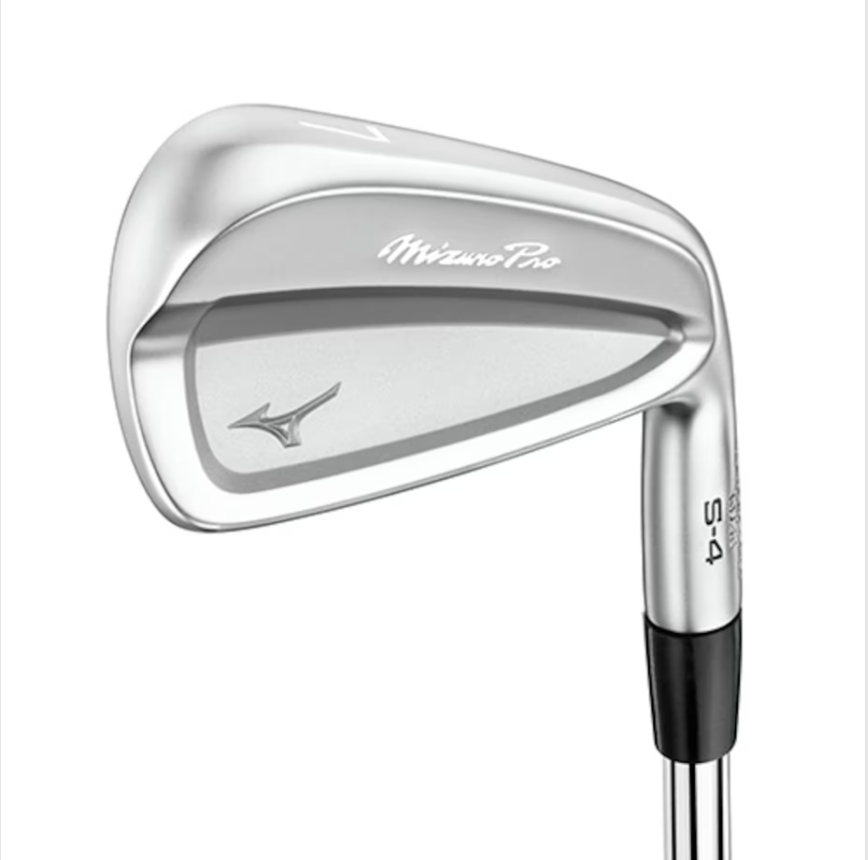
Mizuno's latest iron fills an important hole in the S-Series lineup. The newest addition joins a family built on the idea that accomplished golfers don't all want the same thing from a forged iron. The S-1 muscleback leans into workability and direct feedback. The S-3 cavity-back, oddly the first club released in the family, added stability. Now the S-4 ($215 per club) pushes another step toward playability, though its compact profile keeps it in the better-players category.
Every S-4 head is forged in Hiroshima, Japan, from a single billet of 1025E carbon steel and run through Mizuno's Grain Flow Forged HD process, with copper sandwiched in between to soften feel at impact and Harmonic Impact Technology tuning the sound on top of it. None of that's new to the family. What's different is the shape: a curved muscle that pushes more mass low in the head, with a wider sole, deeper center of gravity, and a lower sweet spot, all aimed at making the long irons launch easier and keeping mishits from leaking distance.
That shaping tapers through the set—more offset and topline for confidence that's carefully scaled down through the scoring irons. The Triple-Cut Sole's beveled edges handle the rest, letting the head slide through turf instead of digging on steep contact. It's a forged iron for players who'll admit they want a little help, as long as it doesn't show.
|
How do you know when you’ve played well? The first obvious answer is score, and after that, most golfers will talk about greens in regulation. But even that can be an uneven gauge for certain players (assuming you even understand what it means—Shane Ryan explains how that can happen). The other day, after playing one of my best rounds of the year, I realized in hindsight I still didn’t hit many greens in regulation. But what I did do well, however, is give myself a lot of opportunities to save par. And that’s because I was successful in the stat I devised a few years ago— “greenside in regulation”. The metric is exactly as it sounds. You're either on the green, or you’re at least close enough to chip it on and potentially save par. For mid-handicappers like me who don’t count on a lot of birdie putts, it’s probably the best indicator of a decent score, and in my case, it was.
|
|
|