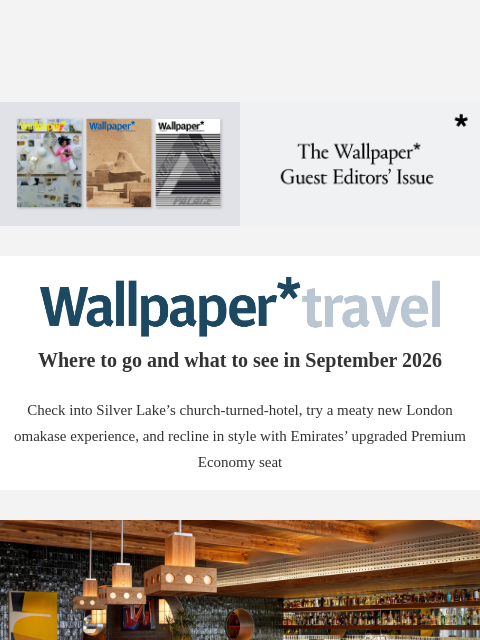
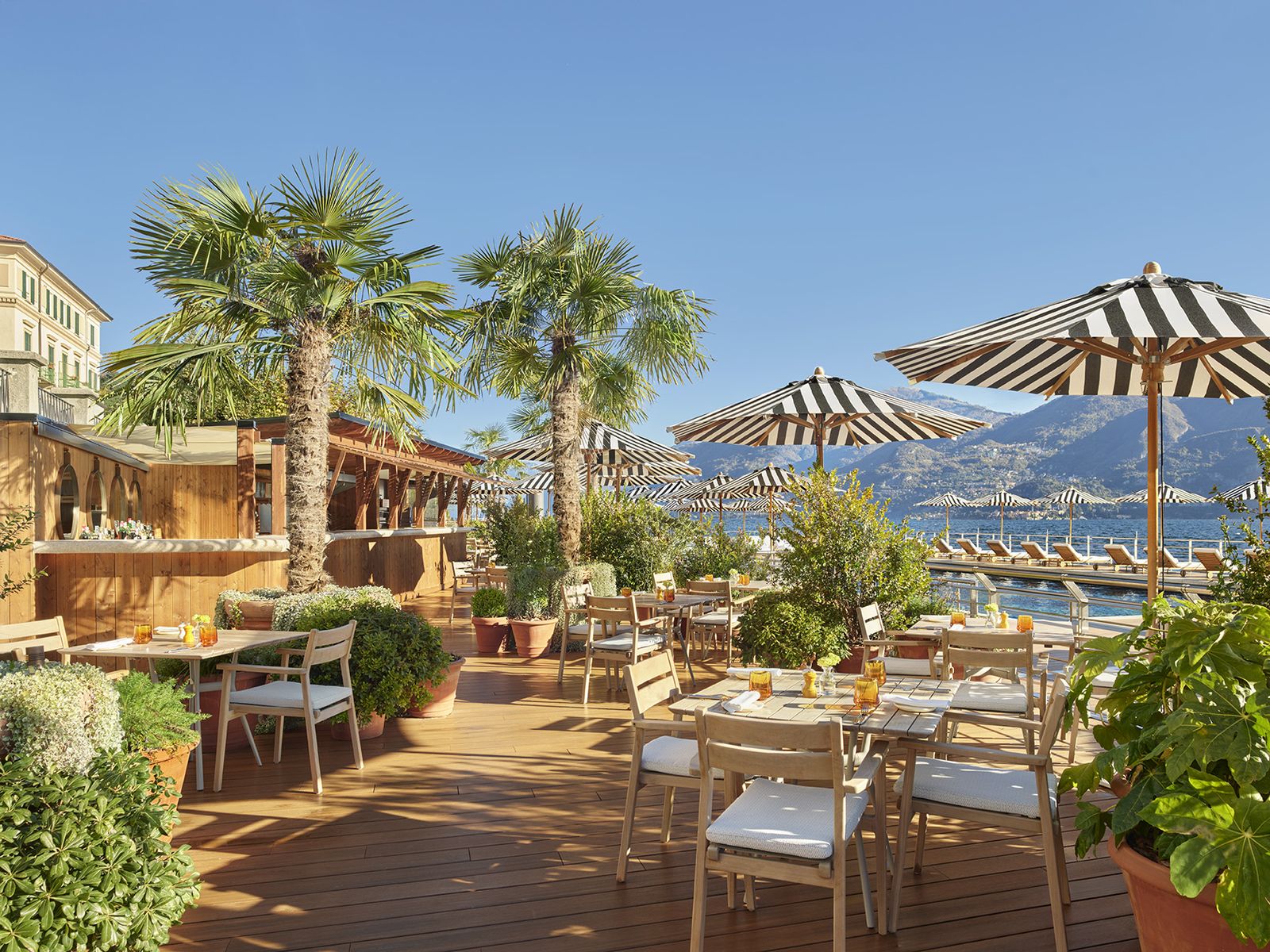
| | Sofia de la Cruz, travel editorSpring has arrived – and with it, that irresistible urge to get away (if it ever really left). It’s time to pick up your passport, start planning, and say yes to new adventures. Fancy a spontaneous getaway? Lake Como never disappoints. Set against one of the lake’s most recognisable views, the freshly unveiled Edition hotel (below) brings a sunlit contemporary design to a restored 19th-century palazzo. |
 |
 |
|
If cooler climes appeal, cosy up in Fort Treehouse Hårtwood, a dreamy Canadian treehouse above a peaceful maple grove in Ontario’s wilderness. Otherwise, step straight into the sun at Céline & Lolo in Nairobi, which brings heat in every sense. This 1970s residence by Karl Henrik Nøstvik has been reworked in lacquered reds and textured surfaces. Don’t miss its dreamlike pool. Meanwhile, in Kyoto, the brand new Imperial Hotel offers a front row seat to blossoms settling into that unmistakable pale pink. Now, if your trip is set but your suitcase isn’t, consult our selection of luxurious spring travel essentials. In-flight reading? With Weekendpaper*, meet Reinier de Graaf, the architect and OMA partner with a wake-up call for his profession; discover a new side to Prince; and visit a Jean Prouvé house in France that could be your next stay. |
Will architects exist in ten years’ time? Read Reinier de Graaf’s funny, worrying, provocative book |
|
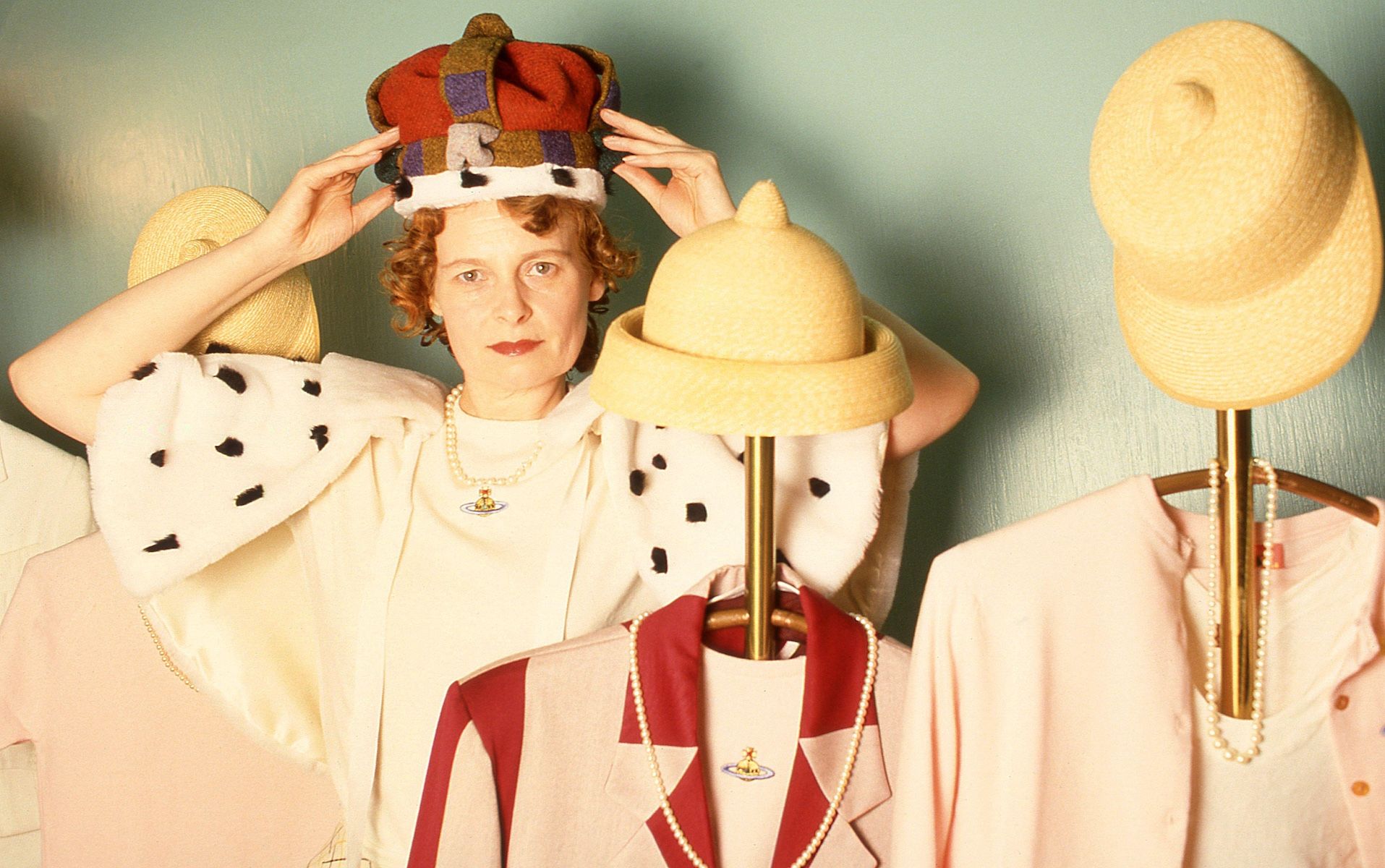
Architect and OMA partner Reinier De Graaf wanted to take on the challenge of discussing the present and future of the architecture world ‘aggressively’, he says. In his new book, Architecture Against Architecture: A Manifesto (Verso), he delivers. The result is introspective and highly critical – at times making you worry and at others, laugh out loud.
His call to action for an industry he says needs to change? ‘End the focus on figureheads; welcome labour unions; collectivise practice; retire at 67; abolish authorship; rely on AI for matters of taste; end the distinction between theory and practice; free architecture from the concept of art; connect with users, cut out the middlemen; stop building until the existing stock runs out; pardon all things built; plan for obsolescence; adapt to climate change, stop claiming to mitigate it; work not to have clients, have clients to work!’
Ellie Stathaki spoke to de Graaf about the book, his love of writing, and the future of architecture.
|
|
Book a stay at Jean Prouvé’s 6x6 demountable house in France |
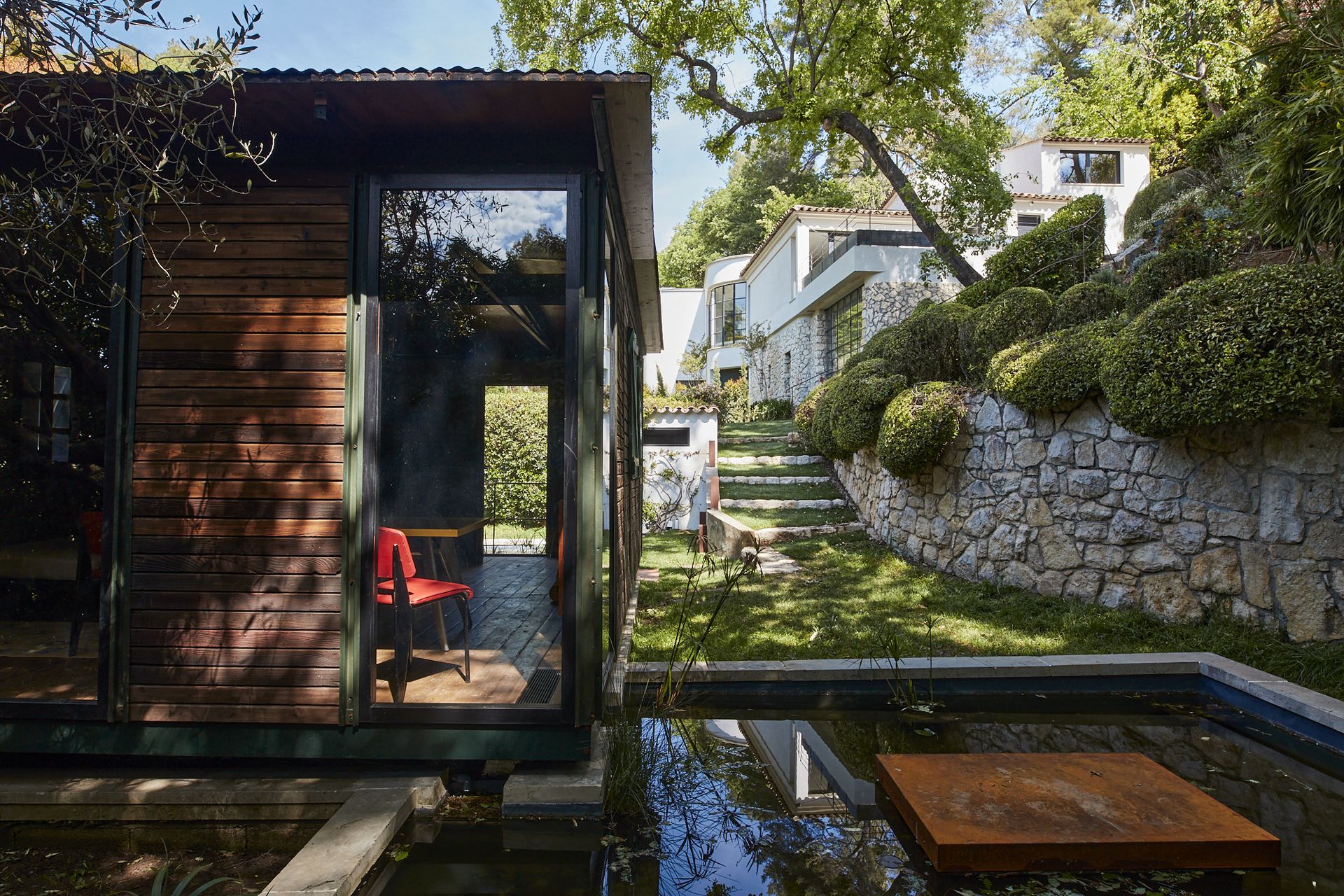
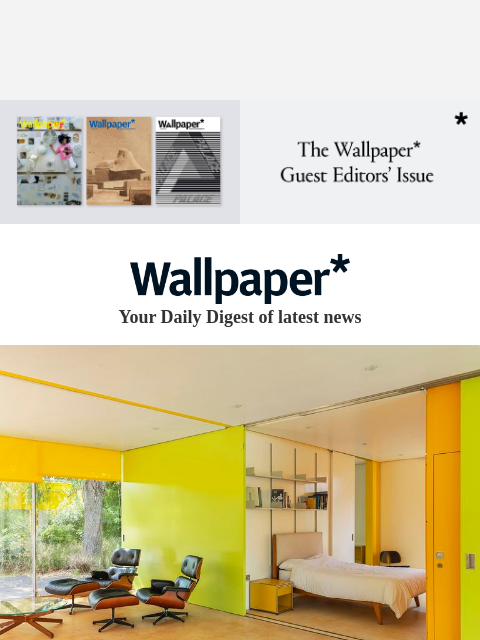
Designed in the 1940s, Jean Prouvé’s 6x6 demountable house belongs to the first phase of France’s post-Second World War reconstruction. Bomb damage across Lorraine and Alsace left hundreds of thousands without shelter, and the newly established Ministry of Reconstruction and Urbanism began commissioning housing that could be produced quickly and in volume. Prouvé’s answer was a house that could be transported in parts and raised by hand, without disturbing the ground more than necessary.
Today, a 6x6 Prouvé house in the garden of non-profit Fondation CAB in Saint-Paul-de-Vence, south-east France, is the highlight of an exhibition of the architect’s works, ‘Jean Prouvé, Inventor of Houses’. The best part? Thanks to the foundation’s art- and design-focused hospitality arm, Les Maisons CAB, you can arrange to sleep over. It’s not a fantasy stay, but a chance to sleep, sit and eat among works meant for lived experience.
|
See Prince through an intimate new lens |
|
You might remember Prince as many things: one of music’s most innovative stars; a polymath who created his own artistic HQ, Paisley Park, to realise the extent of his ambitions; a symbol both figuratively and, for a short name-change period, literally, who still defines the colour purple. But for Steve Parke, his creative director, Prince was both a boss and a friend, a man who offered him the chance to expand his own artistic remit and was notably generous with the opportunities he gifted to those around him.
Like the time in 1996, when, intrigued by the slowly proliferating availability of the still-burgeoning digital camera, Prince asked Parke to test out the new technology with him. The shoots would be spontaneous and on the fly. ‘He was very enamoured with the idea that we could just shoot and he could see it right away, so the casualness [of the photos] came from the fact that we could just do it,’ says Parke.
Most of these pictures have remained unseen until now. But in his new book, Prince: Collected Photographs, Parke throws open his extensive archive to let the world into the inner workings of the legend’s visual process.
|
|
|
| |