| | Jack Moss, fashion & beauty features directorThe Cruise runway shows – which take place on the cusp of summer, running through late April, May and early June – are some of the most dramatic of the fashion calendar, with houses largely eschewing the typical style cities in favour of distant locales. |
 |
 |
|
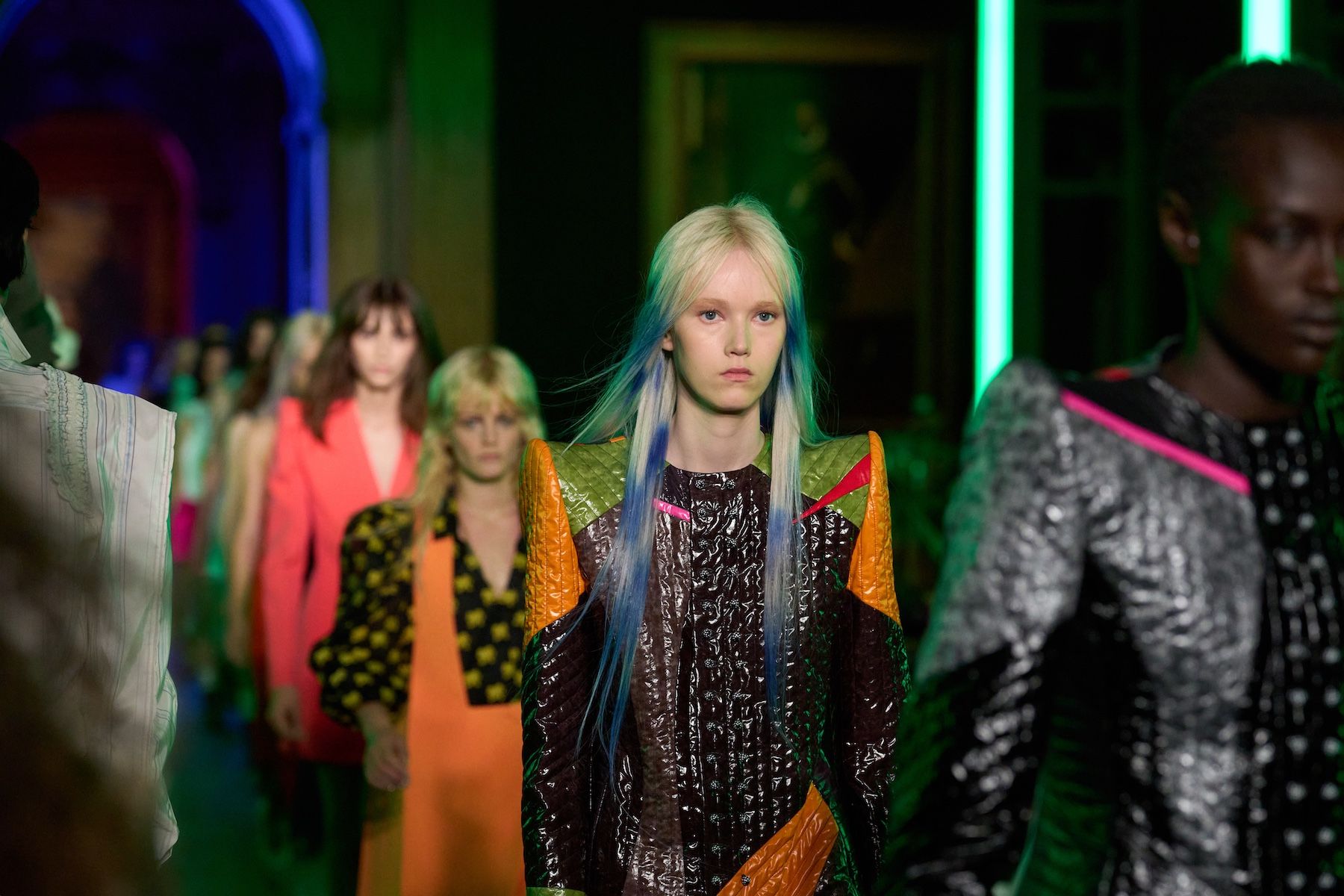
And this season, which began with Chanel in late April, looks to be the most talked-about in some time, largely thanks to a coterie of designers who are making their debut in the medium – namely, Matthieu Blazy at Chanel (who chose the seafront of Biarritz, France, where the the house began), Jonathan Anderson at Dior (a musing on Hollywood at LACMA in Los Angeles), and Demna at Gucci (a full-throttle takeover of Times Square). Each grasped the opportunity to further hone their vision for their respective powerhouses – after all, the Cruise shows, which often encompass transporting runway sets, one-of-a-kind ephemera and curated experiences for guests, are as much marketing opportunities as they are about the clothes themselves. In our ongoing round-up of the Cruise 2027 runway shows – which continued with Louis Vuitton in New York on Tuesday, and will include further stops in Shanghai for Max Mara and Los Angeles for Hermès – we explore the phenomenon and unpack the shows so far. Weekendpaper* takes off, too, this week (the season’s must-have drawstring pouch in hand) to a remote Himalayan retreat, LA as perceived by artist Alex Israel, Chelsea Flower Show, and back in time with Edward Barber and Jay Osgerby. |
|
 |
|
|
|
 |
|
 |
|
Rediscover LA, from inside artist Alex Israel’s head
|
|
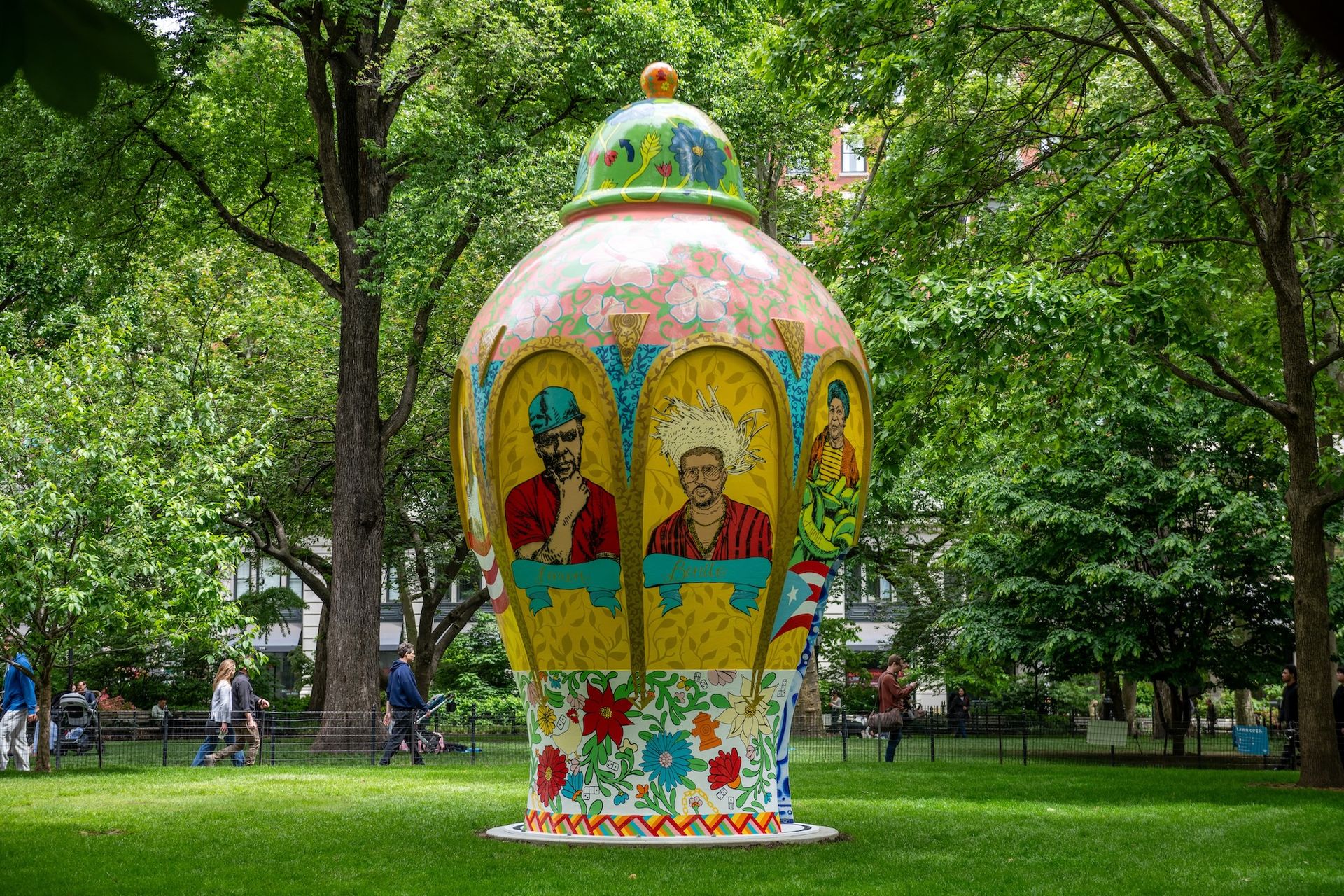
Multimedia artist, filmmaker, designer, and Los Angeles native Alex Israel once put a head-shaped hole in a limited-edition cover of Wallpaper* (our February 2020 issue). Now, in collaboration with Pace Prints in New York, and with LA as his muse, he invites you inside his head with a new suite of ten archival pigment prints – ‘Where is My Mind?’ – that emphasises introspection. Within outlines of the artist’s head, closer inspection reveals a glimpse of the Hollywood Bowl stage, sprawling LA seen from an aeroplane window, and the ocean at sunset.
‘My creative brain turns on when I’m in motion. For most of my life, that meant driving. Then, during the pandemic, I started taking long walks – two, sometimes three hours long – and something shifted. The same flow of ideas started happening there too,’ Israel tells Hannah Silver. ‘And this flow became tied to a new way of seeing Los Angeles – on foot, slower, more attentive. Over time, as the images in this series accumulated, it became clear that what I was building was both a landscape of a city I know intimately and a map of my own mind.’
|
|
Journey to the luxury lodge redefining slow travel in India’s remote north |
|
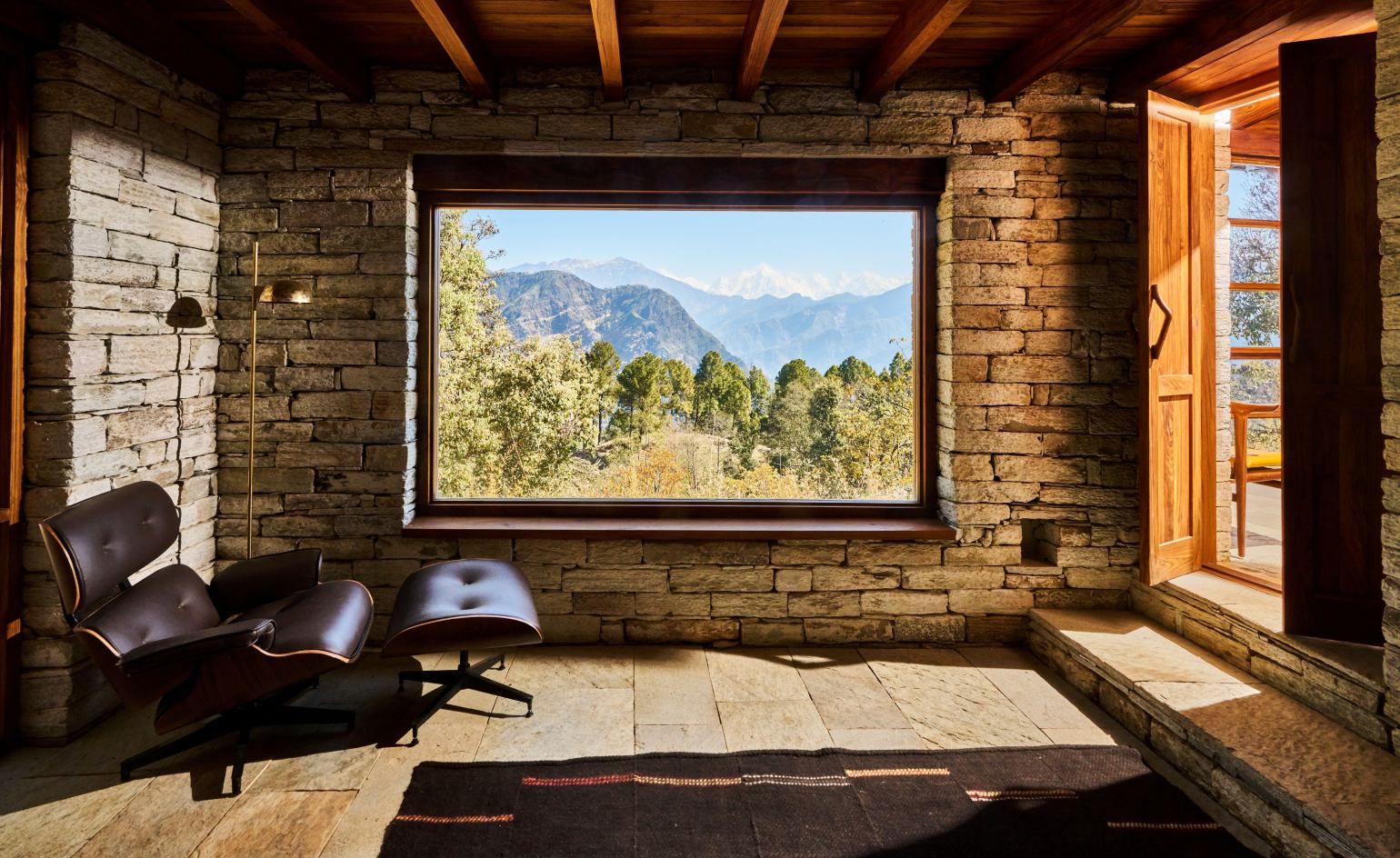
Getting to Shakti Prana requires commitment. From Delhi, the journey to the hotel begins with a short domestic flight to Pantnagar, followed by nearly six hours of winding mountain roads climbing steadily through the foothills of Uttarakhand, the first of several drives across a five- to seven-night programme that takes in traditional village stays on either side of Shakit Prana itself.
Founded two decades ago, hospitality group Shakti Himalaya pioneered a form of luxury travel in the Indian Himalayas that was intimate and community-rooted, built around private walking journeys between restored traditional village houses in three distinct regions: Ladakh, Sikkim and Kumaon. Its most celebrated property, Shakti 360 Leti, helped define what mountain hospitality could look like when it opened 16 years ago, before it was dismantled stone by stone in March 2024. Those same stones, carried by mule train 2,700 ft up a steep goat path, now form Shakti Prana, the brand's newest and most ambitious lodge, and one of the most remarkable properties to open in the Himalayas in years. Lauren Ho took her hiking boots.
|
|
Look back with Barber Osgerby as the duo bows out after 30 amazing years |
|
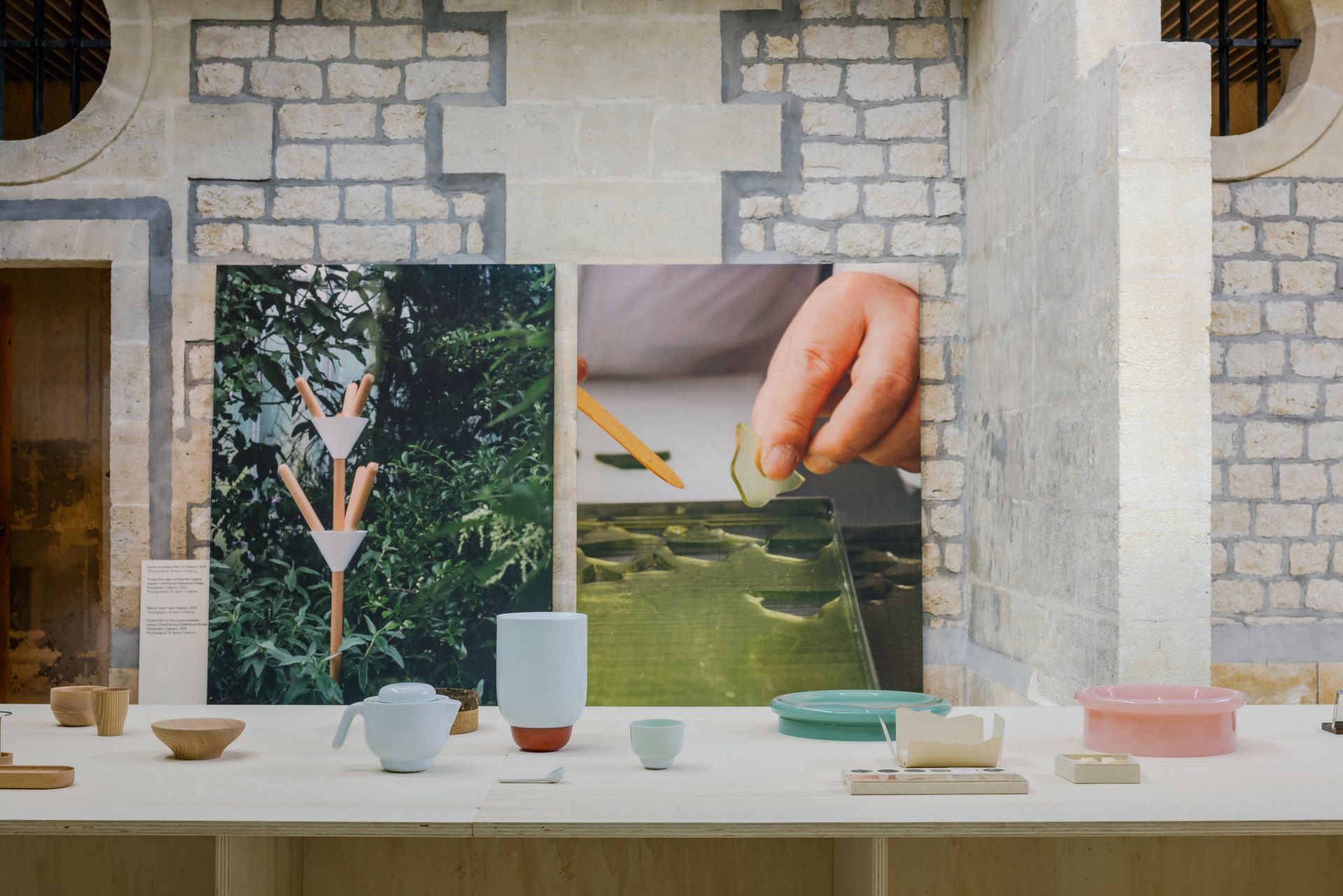
‘The way that we work is pure experimentation,’ says Edward Barber, referring to Barber Osgerby, the award-winning British design practice he co-founded with Jay Osgerby three decades ago, and which the duo announced would close this week, as they part ways to pursue independent projects. In the beginning, he continues, ‘we weren't even thinking about a potential market for [our] pieces. We were just making stuff, folding plywood to create structures. When we design now, we are obviously imagining how [a piece] is going to be used and what price it is going to come out at, and if it is a viable product; but with the early stuff, we had no idea and honestly didn't care either. We were just having fun.’
In an exclusive interview with Rosa Bertoli, the designers reflect on their partnership, from day one at the Royal College of Art to a fortuitous early-Wallpaper* moment (they designed Wallpaper’s 100% Design stand in 1997, featuring their ‘Loop’ table for Isokon, and got scouted by Giulio Cappellini), designing the 2012 Olympic torch, their current retrospective at Triennale Milano, and forever taking the ‘unpredictable’ path.
|
|
|
| |