| Thanks for reading The Abstract. This month’s edition is
1,237 words, about a
4-minute read.
|
|
Is there a topic that you’d like to see more of in
The Abstract? Drop us a line at
abstract@elysiumhealth.com. Want to get
The Abstract in your inbox? Sign up here.
|
|

|
|
|
|
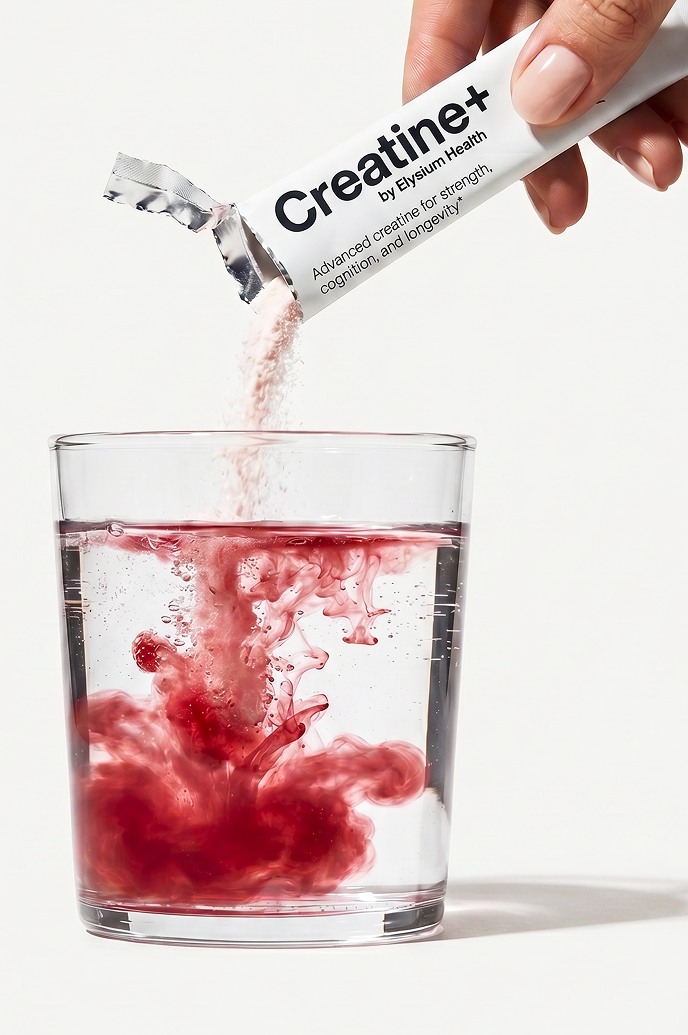
Creatine+ launched this month, bringing Elysium’s longevity expertise to one of the most studied molecules in performance. In the June edition of
The Abstract: new research on creatine and cognition under sleep deprivation, creatine and brain energy during the menopause transition, whether catch-up sleep can offset a bad night, how arts and culture may relate to biological aging, and the hidden fluid network reshaping scientists’ view of the body.
|
|
|
Creatine may help the sleep-deprived brain
|
|
|
|
|
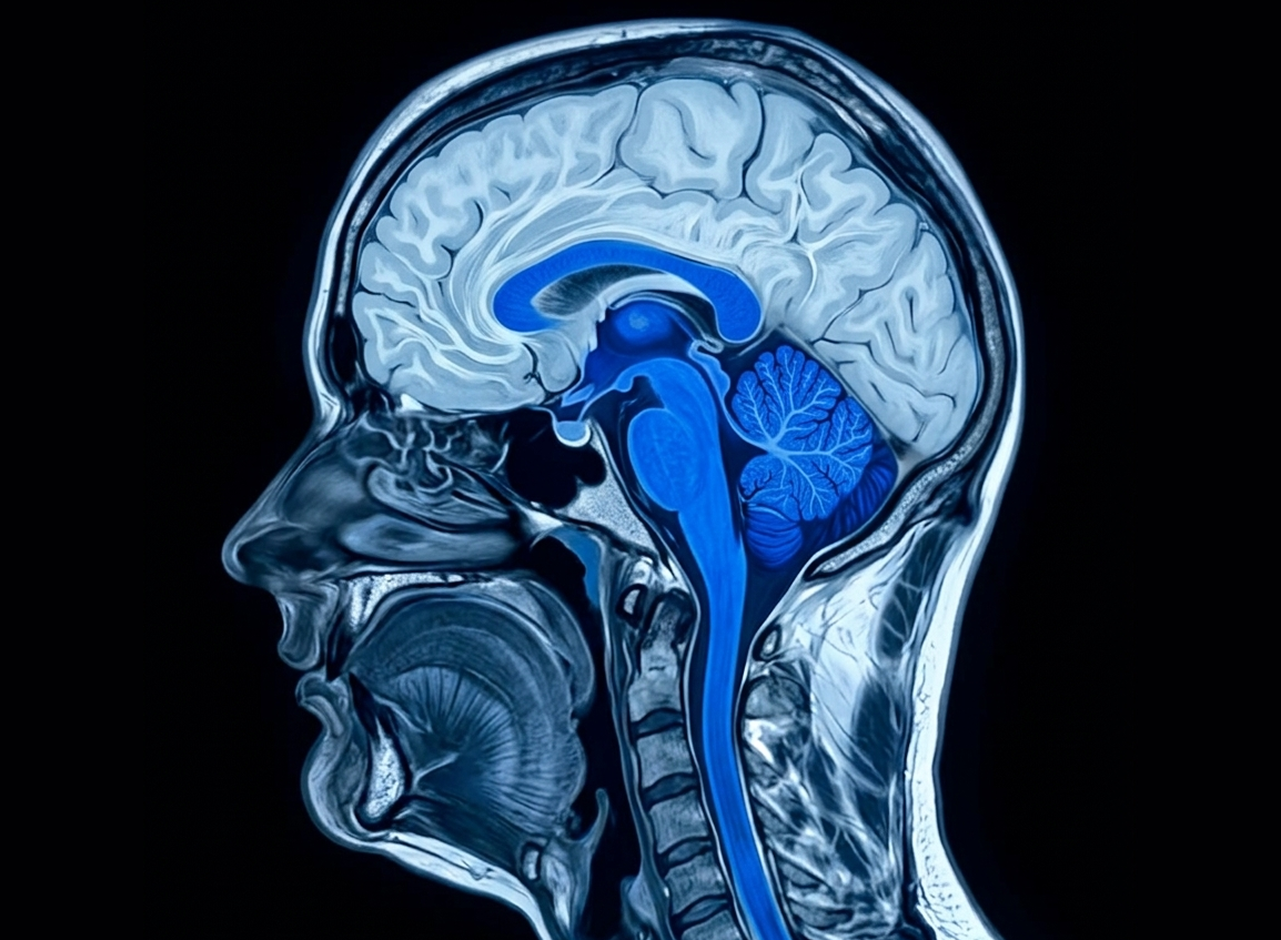
Creatine is best known for muscle, but its role in cellular energy has made it a growing focus in brain research. A previous study found that a high single dose (0.35 g/kg) could alter brain metabolism and reduce cognitive decline during sleep deprivation—possibly because sleep loss creates a stress state that allows the brain to take up more creatine. A new randomized, double-blind crossover study by the same research group, published in
Nutrients, tested whether a lower dose could still help. Researchers gave 29 healthy adults either creatine monohydrate or placebo during 21 hours awake, then tested memory, vigilance, logic, language, and numerical performance through the night. Although less pronounced, the 0.2 g/kg dose reduced cognitive decline, with improvements of up to 12% in some tasks—especially logic, numerical ability, language processing speed, and psychomotor vigilance. The study was small, and the dose was still higher than a standard daily serving, but it adds to a growing idea: creatine’s benefits may extend beyond muscle when energy demand is high.
|
|
|
The Expert’s Take:
|
|
“The brain tightly regulates creatine uptake through the blood-brain barrier. As a result, increasing brain creatine stores has traditionally been thought to require prolonged supplementation. Recent studies, however, suggest that sleep deprivation may trigger stress-related mechanisms that enhance creatine uptake. In a 2024 study published in Scientific Reports, Gordji-Nejad et al. found that a single high dose of creatine (~25 g for a 154 lb adult) increased total creatine in the brain and alleviated fading of cognitive performance evoked by sleep deprivation, suggesting that a cellular stress state may allow for increased creatine uptake. Using the same study design, Gordji-Nejad et al. repeated the experiment, but with a more moderate dose (~15 g). They found that a beneficial effect on cognitive function was still present at this dose, but to a lesser degree, suggesting the effects are dose dependent and that both a cellular stress state and sufficient extracellular creatine availability are essential for the observed response. Interestingly, sex-stratified analyses suggested a more pronounced response in female participants, adding to a growing body of evidence suggesting that females may exhibit more sensitivity to the cognitive bioenergetic support provided by creatine than males.”
|
| Lynne Chang, Ph.D.
|
|
VP, Product Development, Elysium Health
|
|
|
|
|
|
|
|
|

|
Elysium’s new 3-in-1 creatine system combines highest-purity creatine monohydrate, HMB, and pomegranate polyphenols for strength, recovery, cellular energy, and cognitive function.
Save 15% on annual subscriptions for a limited time.
|
|
|
|
|
|
|
|
THIS MONTH
|
|
What We’re Reading
|
|
These are third-party articles about science that we find interesting but have no relationship to Elysium or any of our products. Elysium’s products are not intended to screen, diagnose, treat, cure, or prevent any disease.
|
|
|
Creatine and the menopausal brain
|
|
Creatine’s role in muscle is well known, but a new randomized controlled trial suggests it may also be relevant to brain energy during the menopause transition. In the CONCRET-MENOPA study, 36 perimenopausal and postmenopausal women took one of several low-dose creatine formulations or placebo for eight weeks. The clearest signal came from the medium-dose (1.5 g/day) creatine hydrochloride group, which showed improved reaction time, increased frontal brain creatine levels, and favorable changes in blood lipids compared with placebo. The study was small, and it tested creatine hydrochloride rather than creatine monohydrate, but the finding adds to a growing research thread: during life stages marked by neurocognitive, hormonal, and metabolic change, creatine may deserve attention beyond the gym. (Journal of the American Nutrition Association)
|
|
|
Can catch-up sleep undo a bad night?
|
|
A new
Nature Communications study using wrist-worn sleep data from more than 85,000 UK Biobank participants suggests the answer may be: partly, and only if recovery happens quickly. Participants who had shortened sleep without sleeping longer afterward were 15% more likely to die over the next eight years than those without sleep restriction. But those who slept longer the night after a short night had roughly the same mortality risk as regular sleepers. The study cannot prove that rebound sleep prevents early death, but it adds nuance to the usual “7 to 9 hours” advice: average sleep matters, but so may the body’s ability to recover from acute sleep loss. (Nature Communications)
|
|
|
The body’s hidden fluid network
|
|
Scientists have long understood the body’s major transport systems as the cardiovascular system, which moves blood, and the lymphatic system, which drains excess fluid from tissues. But recent work on the interstitium—a connected network of fluid-filled spaces within and around fascia, skin, and organs—is changing that picture. As covered in
The New York Times Magazine, researchers have found evidence that these spaces may form a vast, interconnected route for fluid movement, with implications for acupuncture, inflammation, cancer metastasis, and metabolic health. The idea is still early, and much remains to be proven, but the emerging view is striking: the body may be less like a collection of separate compartments and more like a continuous, fluid-connected web. (The New York Times Magazine)
|
|
|
Could art slow biological aging?
|
|
Physical activity is a familiar longevity lever. Arts and culture may belong in the same conversation. In a new Innovation in Aging study, researchers analyzed DNA methylation data from 3,556 adults in the UK Household Longitudinal Study and found that both physical activity and arts and cultural engagement were associated with slower epigenetic aging on several newer biological age clocks, including PhenoAge, DunedinPoAm, and DunedinPACE. The effect sizes were comparable between arts engagement and physical activity, and the associations were generally stronger in adults 40 and older. The study does not prove that museums, music, dancing, or making art directly slow aging, but it adds biological weight to a broader idea: Longevity may be shaped not only by exercise and diet, but by the ways we stay engaged, stimulated, and connected. (Innovation in Aging)
|
|
|
|
|
TERM OF THE MONTH
|
|
Creatine
|
|
/ˈkrē-ə-ˌtēn/
|
|
Creatine is a naturally occurring compound that helps cells meet short bursts of high energy demand. It is made in the body and stored primarily in muscle, where it helps regenerate ATP—the immediate energy currency cells use during exercise and other demanding tasks. That role has made creatine one of the most studied supplements for strength and performance. But newer research is expanding the story: because the brain also depends on rapid energy availability, creatine is now being studied for cognition, sleep deprivation, menopause-related brain energy, and healthy aging.
|
|
|
|
|
|
|
AGING 101
|
|
What is creatine? Benefits, safety, and the science behind this powerful nutrient
|
|
|
|
Creatine is a naturally occurring compound that helps your cells produce energy. While it's best known for supporting athletic performance and muscle growth, a growing body of research suggests that creatine may also play an important role in healthy aging by supporting muscle function, cognitive performance, and resilience during periods of physical and mental stress. (Read more)
|
|
|
|
|