The headline for this week’s newsletter borders on clickbait. You’re probably sitting at home thinking, There’s no way I’m gaining 28 yards off the tee.
And, honestly, you might be right. But somebody is, and the data we gathered from recent robotic testing explains exactly why and who could be in line for massive distance gains.
If you’ve been through a driver fitting in the last decade, you’ve heard the pitch: hit up on the ball. Launch it higher, spin it less, carry it farther. It’s a simple plan for more distance that’s become the default advice in every hitting bay, repeated so often that most golfers treat it as gospel.
To be fair, it’s mostly correct.
What tends to get left out is the other half of the equation. If you can find a way to combine the correct angle of attack with the ideal driver loft, you’re cooking with gas. Get it wrong and you might be adding peak height without adding a single yard.
For our latest test, we had the swing robot hit a Titleist GTS2 driver in three lofts at two speeds, delivering the club two degrees down, neutral and two degrees up. What came out of this test explains why two golfers can make the exact same swing change and get completely different results.
The interactive graphics in the story let you toggle between speeds, lofts and flight paths to see it for yourself. One combination gained 28 yards. Another gained nothing. The good news is the difference comes down to something most golfers can fix in five minutes with a wrench.
|
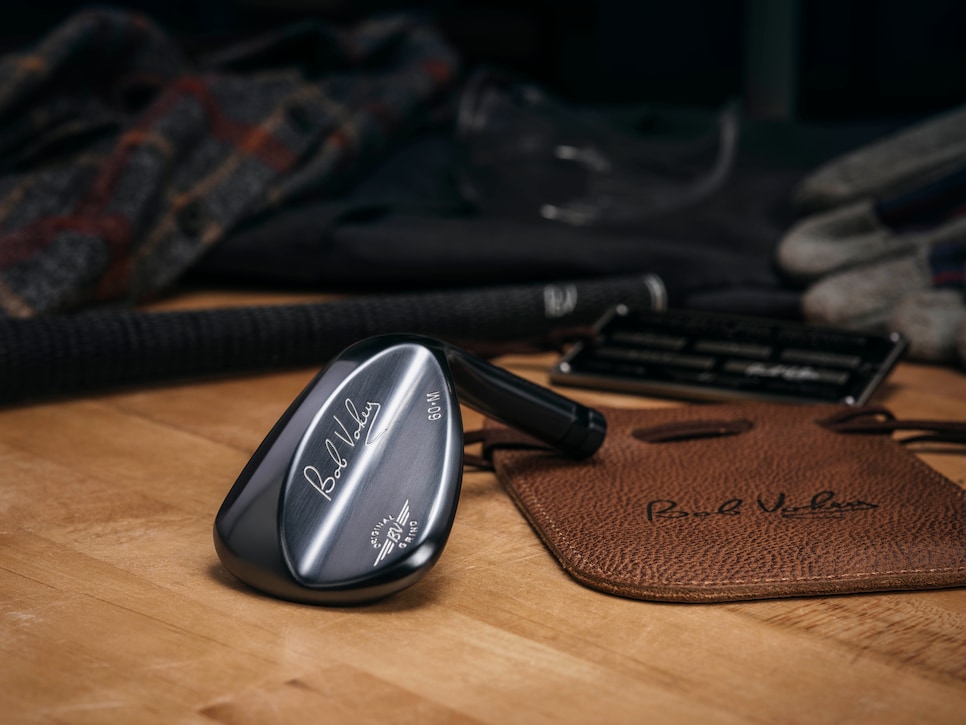
Bob Vokey’s original M Grind is back, and there are only 1,000 of them. The master craftsman has spent nearly three decades building a wedge lineup so extensive it needs a fitting chart. Ask him which grind got it going, and he’ll point to the M. When Vokey started on tour, most players used full-sole wedges and grind requests were basic: some heel relief, a trimmed trailing edge or less bounce in the toe. He combined all three into one crescent-shaped sole, and after it hit the PGA Tour in the late 1990s, other players lined up for copies. Vokey credits the M as the root of several current grinds, including the D and T. The signature 60M ($399) recreates that original profile and sole with SM11 tech, a slate blue finish, Project X wedge shaft and Golf Pride BCT Cord grip bearing Vokey’s initials. Each wedge also comes with a bag tag signifying that it is one of 1,000 made to Vokey's demanding specifications.
|
Meridian, the small putter company that’s revolutionizing the milled-putter process by making it not only affordable but customizable, is branching its line out in its boldest direction with the launch of the new MLT Series mallets. Not only are these mallets a departure in size and shape from the current classic looks in the company’s Milled Series, it also includes center-shafted options that inch closer to the popular “zero” or “low-torque” technology that has nearly become its own putter category. The multi-piece uniquely milled construction features a milled aluminum top mechanically fixed to a milled 303 stainless-steel face and sole. The four models in the line include winged mallets, rounded profiles similar to the company’s Nassau model and open-backed wing mallets inspired by Meridian’s Key West. The center-shafted versions present what the company is calling “by far the lowest-torque mallets we’ve made.” That’s a result of the forward-but-centered shaft position and forward weighting from the stainless steel face vs. the lighter aluminum top. The line also includes an array of alignment features across the four models. A “My MLT” online customization experience, lets users choose from different head shapes, shaft configurations, colors, alignment treatments and other options. Retail price: $300.
|
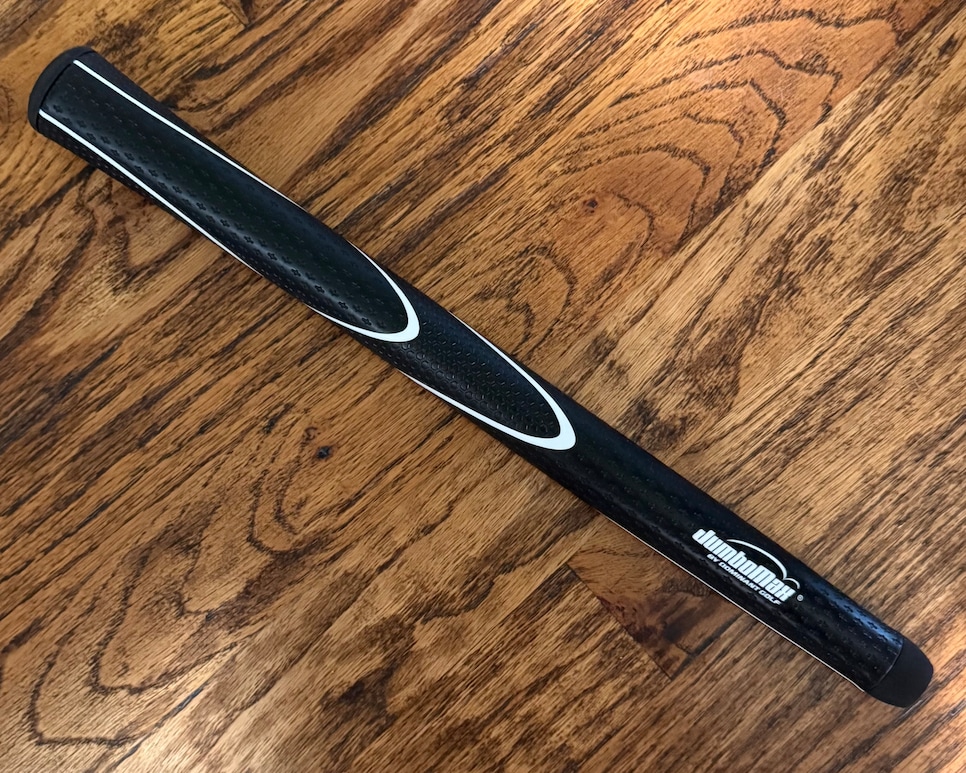
The wedges in your bag are designed to execute different shots. JumboMax hopes to make each one of those shots easier to pull off, especially when you want to choke all the way down the grip. The company's new JMX UltraLong runs 15 inches, about 4.5 inches longer than a standard grip, adding a third point of contact on the shaft. Grip it at the top for a stock swing, then slide to the middle or bottom to take yards off. To be clear: this grip is built for short irons and wedges, where most scoring shots happen. “By offering the JMX UltraLong as a longer grip with more points of contact, we can show golfers how a little creativity can result in a lot of control and consistency,” said John Mazzanoble, JumboMax's president. The obvious catch with extra length is swing weight, but the company says the UltraLong is light enough that the number barely moves. It uses the extra-firm Tour Series skin in three sizes, from +1/8" to +3/8". Consider it another way to get creative with your scoring clubs.
|
|
|
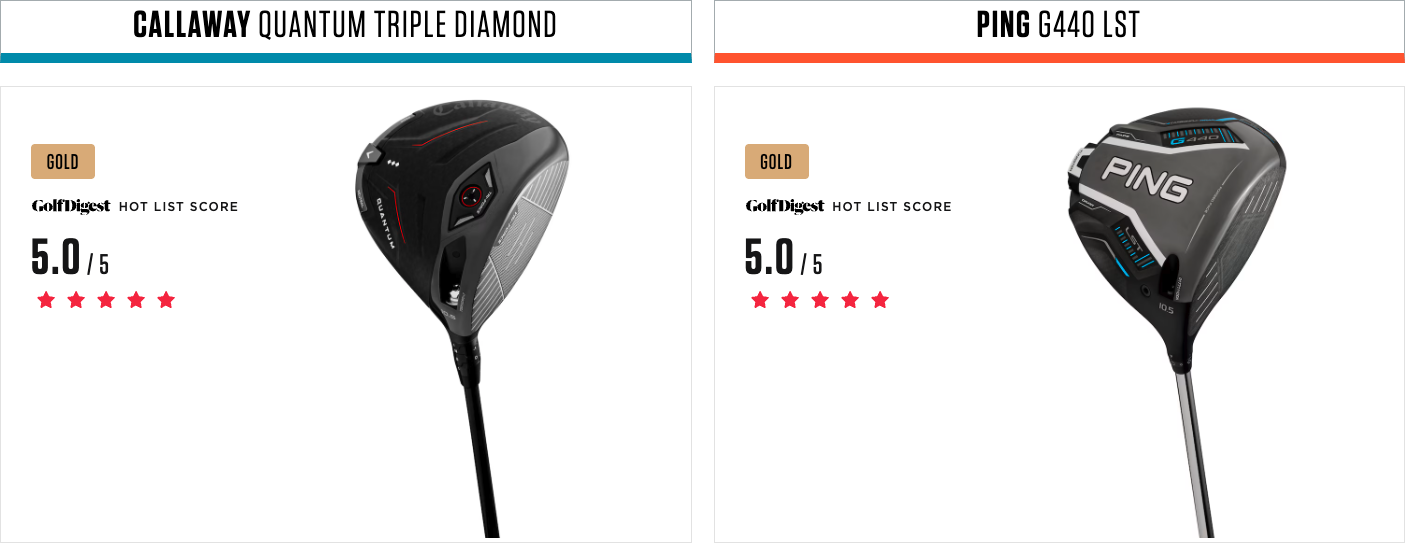
Ping G440 LST
vs.
Callaway Quantum Triple Diamond |
|
|
|
We robot tested 54 golf balls |
|
|
|
|