| | Bridget Downing, executive editorAt Wallpaper* HQ in London this week, amid the latest European heat wave, the team have been preoccupied with all things cooling. For all the air-con sanctuary of a contemporary office, there’s still the journey to and from to simmer through, and then those long airless nights. Who did we call? Tech editor Jonathan Bell swiftly rustled up a menu of ‘ the best in pocketable airflow management’ – from compact portable and handheld fans to a wearable personal air conditioner that sits at the nape of your neck. |
 |
 |
|
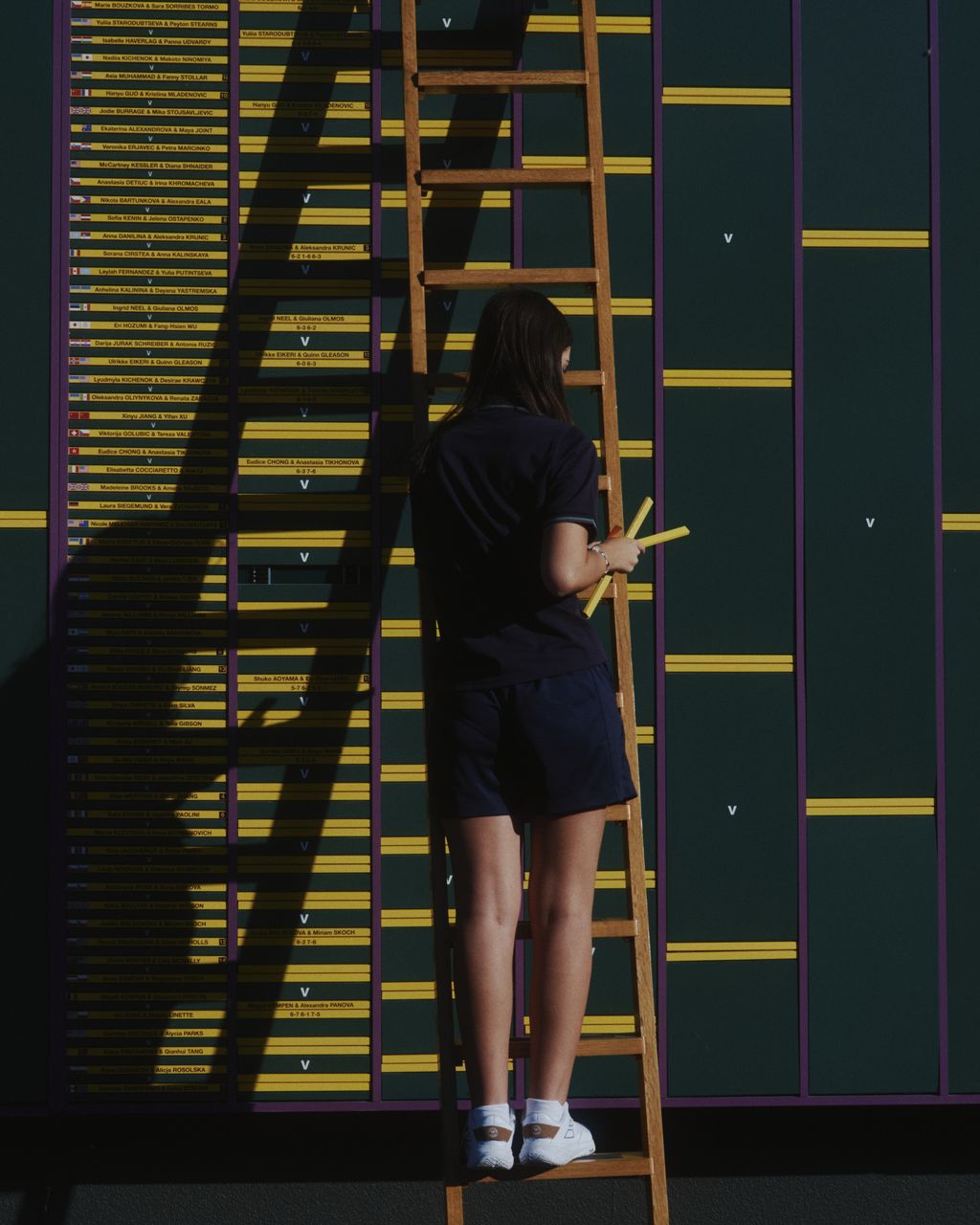
Meanwhile, fashion & beauty features director Jack Moss’ round-up of superior swimwear brands has been hotly (very hotly) consulted, and global design director Rosa Bertoli is taking more drastic, longer-term action, scouting design-focused outdoor showers. On the travel front, an escape to cooler climes is suddenly gaining in appeal. Perhaps an Arctic fishing town-turned-contemporary art hub ( Nusfjord in Norway, current temperature approximately 12°C) or Chile (an almost chilly 16°C as I write), where a tour of Pritzker Prize-winner Smiljan Radić Clarke’s architecture awaits – more on which below. While you await delivery of your fan, unexpected neck-cooling device, or new swimsuit, sit tight with Weekendpaper*. We bring news and reviews of a sizzling Haute Couture Week in Paris, explore the long and the short of the suit with Thom Browne, and take a photographic tour of the visual signatures of Wimbledon. |
Some like it haute in Paris |
|
Haute Couture Week, which represents the lofty pinnacle of the fashion calendar, has had an injection of energy in recent seasons and the buzz continued with the A/W 2026 shows this past week in Paris, as Jack Moss reports. Hotly anticipated were Pierpaolo Piccioli at Balenciaga and Duran Lantink at Jean Paul Gaultier, presenting opening haute couture acts at their respective houses; both were vivid, contemporary riffs on the historic art (haute couture requires garments to be made by hand to the specific contours of a client’s body, taking thousands of hours of handcraft), with bold silhouettes, architectural construction, and, in the case of Piccioli, a liberated use of colour.
Matthieu Blazy’s couture fairytale at Chanel and Jonathan Anderson’s Lynda Benglis-inspired outing at Dior stood out, as did a brilliant Paris debut from London-based label Standing Ground. And at Schiaparelli, an invitation in the form of a tentacle, cast in metal, preluded a collection that seemed to have taken Daniel Roseberry to the depths of the Mariana Trench, or the undiscovered realms of outer space, and delivered the kind of fantastical, imaginative sleights of hand that continue to enchant the house’s dedicated haute couture clientele.
|
|
Tour Chile through Smiljan Radić Clarke’s award-winning architecture |
|
Few contemporary architects understand the power of atmosphere quite like Smiljan Radić Clarke. Over the past three decades, the Chilean has built a body of work defined by austere, elemental forms made from raw materials such as concrete, timber, stone and glass. When Radić Clarke won the 2026 Pritzker Architecture Prize for what the jury described as his ‘radical originality’, suddenly, Chile held something rather unusual: the near-complete body of a laureate’s work. Unlike many past winners whose buildings are scattered globally, Radić Clarke’s portfolio remains overwhelmingly rooted within his small homeland. In fact, visitors can explore most of his permanent works by taking an architectural pilgrimage between Santiago and the coastal city of Concepción, six hours south by car, writes Mark Johansen.
From a partially submerged restaurant in Santiago to a monumental, state-of-the-art winery in the Cachapoal Valley, here’s a Smiljan Radić Clarke architour of Chile in six stops.
|
|
Thom Browne on the power of the suit |
|
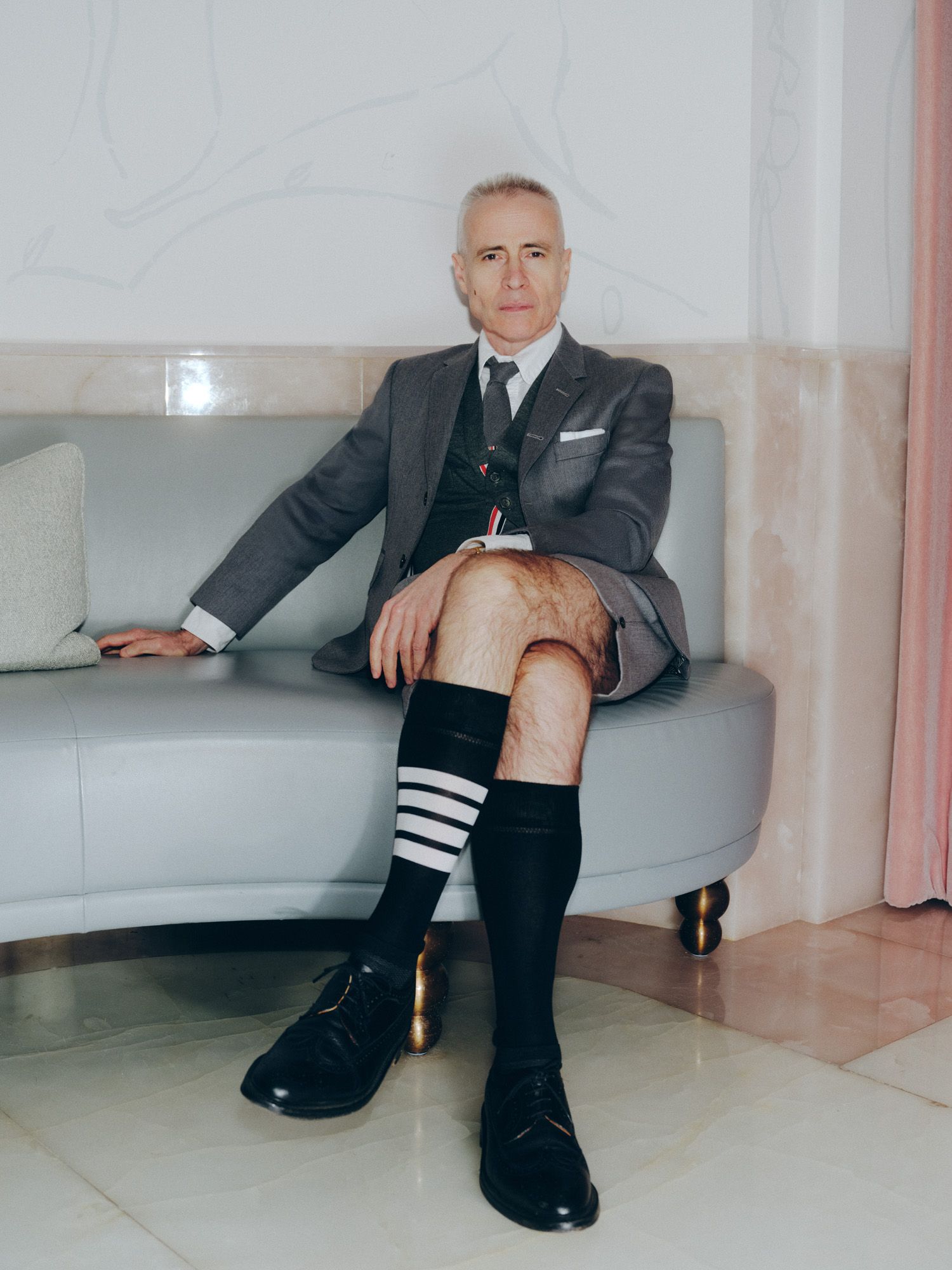
For the past 25 years, American fashion designer and Wallpaper* US400 honoree Thom Browne has forged a $500m brand in his own meticulous image. Every day, Browne wears a ‘shrunken’ grey flannel wool suit of his own design, nipped in at the body and cropped at the ankle, as if wearing one size too small. It is accessorised with a grey tie, sometimes worn with shorts and a cardigan, and completed with three-stripe socks and lace-up brogues. It is the uniform he requires of his staff, too. Step inside the brand’s offices on West 35th Street in New York’s Garment District, and you will find an army of near-identically dressed workers in iterations of the singular look.
If it sounds megalomaniacal, Browne believes the opposite: that a uniform is liberatory. ‘I think the person becomes more interesting when you're not so drawn to the clothes,’ he tells Jack Moss, as they discuss the power of the suit. ‘Sometimes we don't realise how transformative the suit is until the person is wearing it. You do feel the shift when you put it on. It’s powerful.’
|
|
|
| |