| | Bill Prince, editor-in-chief
This week, we unveiled our September Style Issue, now on a newsstand near you. For our annual digest of the A/W season, we’re drawing attention to the act of dressing and how we use clothing to create a persona, whether for purpose, pleasure or joy. It's a thread that ran through the A/W 2026 shows. At Prada, models stripped off layers each time they left the runway as one might evolve an outfit over a given day, while at Chanel, Matthieu Blazy’s presentation promised to take its wearer from dawn to dusk (or in his words, ‘caterpillar to butterfly’). Further epitomising the shape-shifting mood, our womenswear story sees Australian model Aylah Peterson adopt a series of personae inspired by the season’s most striking looks, while our menswear shoot stages an abstracted beauty pageant in which models adopt A/W 2026’s streamlined silhouettes.
|
 |
 |
|
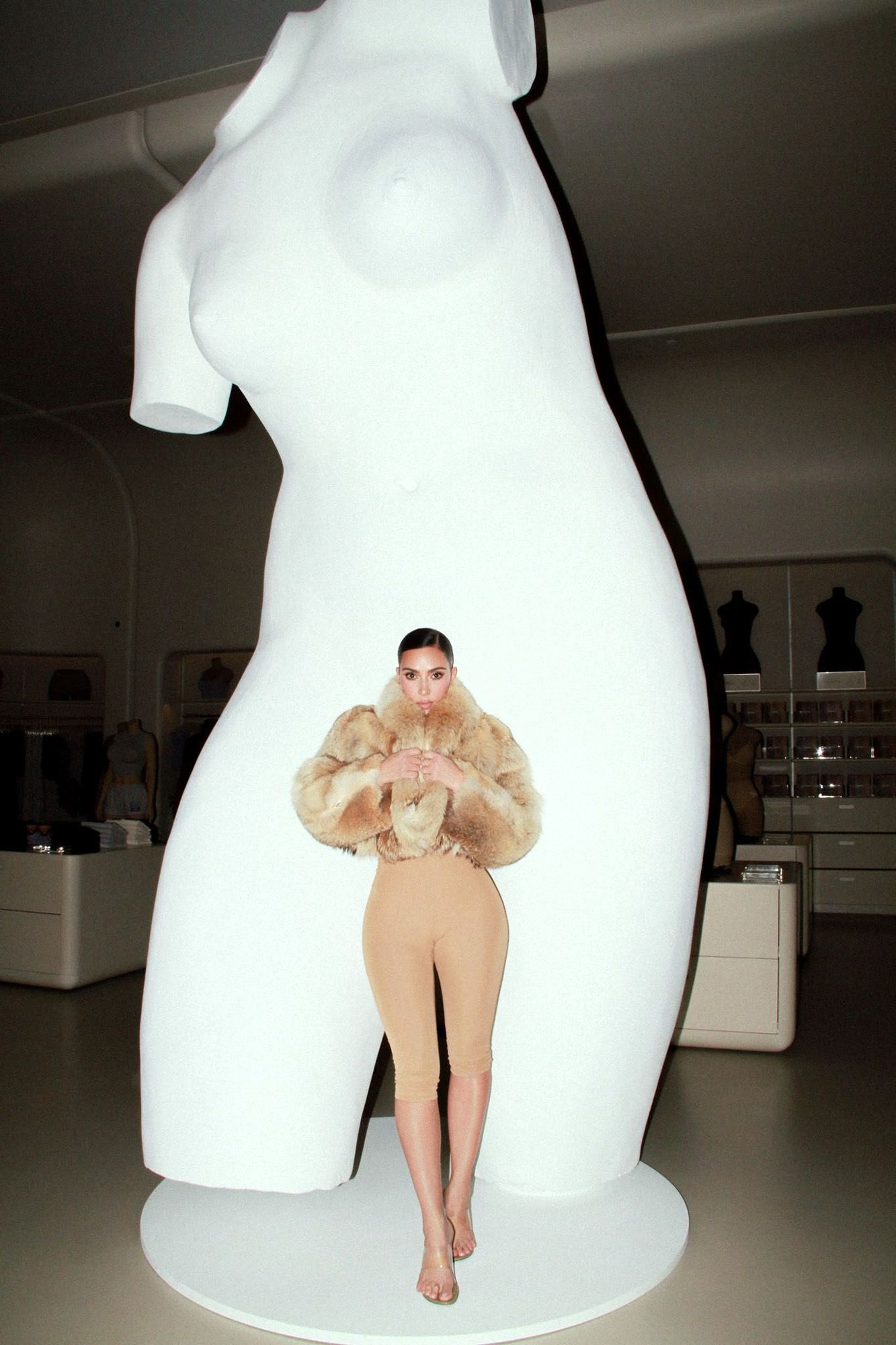
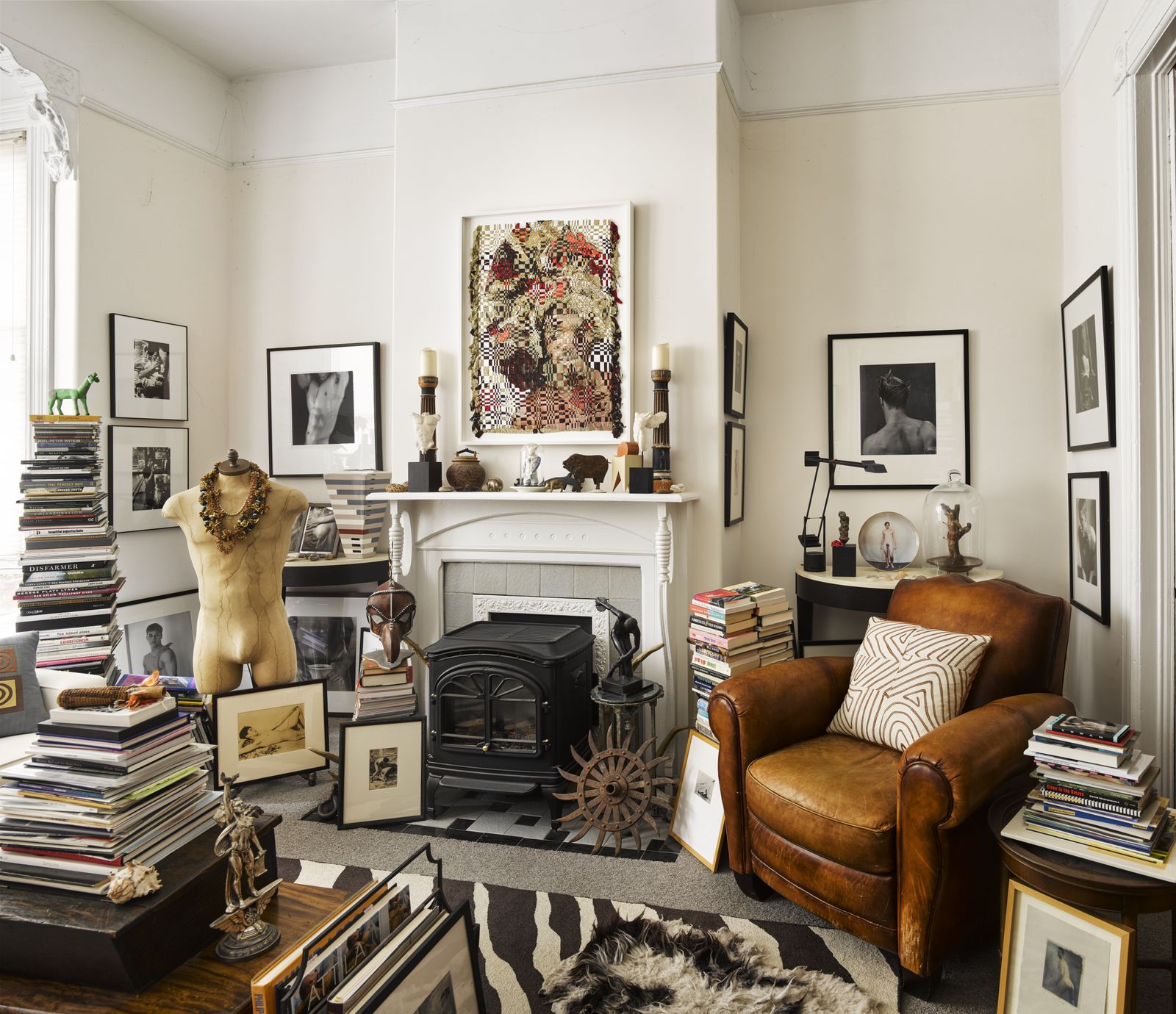
In this issue of Weekendpaper*, we turn our gaze to the art of getting undressed too. Ahead of the opening of her new Skims store in London, Kim Kardashian reveals the finer details of creating a welcoming universe for her shapewear brand alongside US400 architect Rafael de Cárdenas. Meanwhile, we pay a visit to the San Francisco home of Ron Zuckerman who’s devoted a lifetime of art collecting to one subject: the male nude.
|
Kim Kardashian on sculpting an architectural universe for Skims |
|
'The world is so chaotic,’ says Kim Kardashian over the phone from LA, ‘so I always wanted my home to feel really simple and warm’. In the world according to Kardashian, chaos is evidently a condition best answered with beige. The colour has become as central to her iconography as her hourglass silhouette, appearing in oatmeal, mushroom, taupe, sand and innumerable other shades that exist somewhere between skin and stone. In her new Skims flagship on London’s Regent Street, this familiar palette has been expanded into architecture. Pale walls curve around the space; surfaces appear continuous and almost seamless; a monumental female nude sculpture by Vanessa Beecroft presides with the authority of an ancient fertility goddess. The store is grand, but in the service of distinctly intimate items: underwear, T-shirts, socks and the concealed scaffolding worn beneath a dress. That scale is not accidental. The London flagship, designed by New York-based architect Rafael de Cárdenas – who is no stranger to minimalism, having begun his career at Calvin Klein in the 1990s – represents the fullest physical expression yet of a brand that began in Kardashian’s home. Founded in 2019, Skims’ earliest fittings took place in Kardashian’s closet, and campaigns were photographed in her hallways. ‘We were just doing everything at home all the time,’ she says. ‘And I wanted that to come off in the physical stores.’ Eavesdrop on Osman Ahmed's exclusive interview.
|
|
Every corner of this San Francisco flat is dedicated to a collection of nudes |
Ron Zuckerman has never once bought a painting to match a sofa. He has never hired a designer to tell him where a photograph should hang, and never acquired a piece because its value would appreciate. For 45 years, he simply stood in front of a photograph and if he felt some kind of a connection, he bought it. One at a time, on a fundraiser's salary. The result is that his home – a flat in San Francisco's Castro district – feels more like an archive. Built in 1889, the flat's building announces itself with confident proportions, high ceilings, long corridors and a succession of small rooms that, when lined with art, highlight a seemingly vast amount of wall space. From the entry stairwell to the guest bedroom, from the kitchen to the den, just about every surface holds something that chronicles facets and moments of queer life across the 20th and early 21st centuries. Alfredo Mineo takes a peek.
|
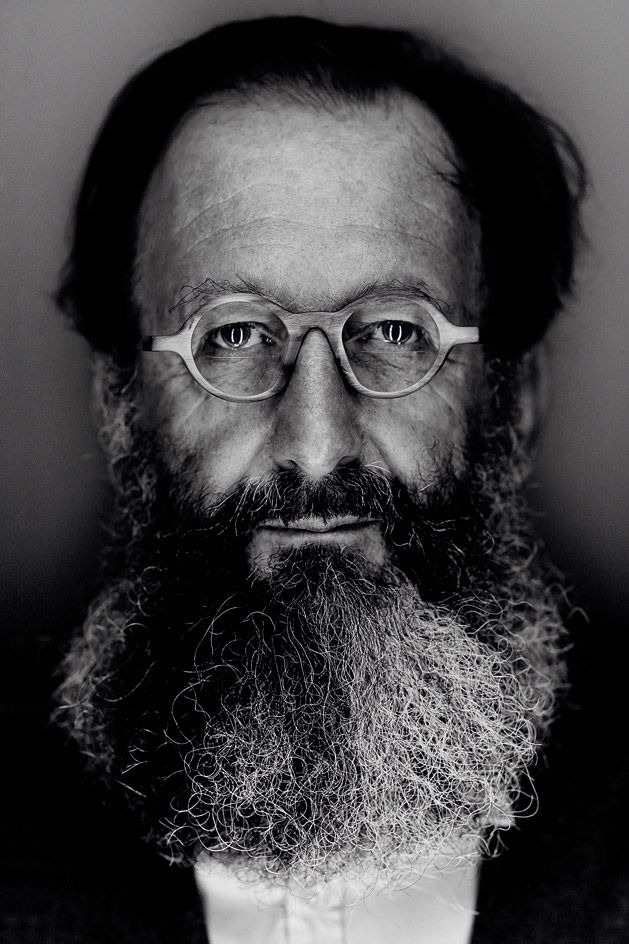
Michele de Lucchi on a new chapter at Triennale Milano |
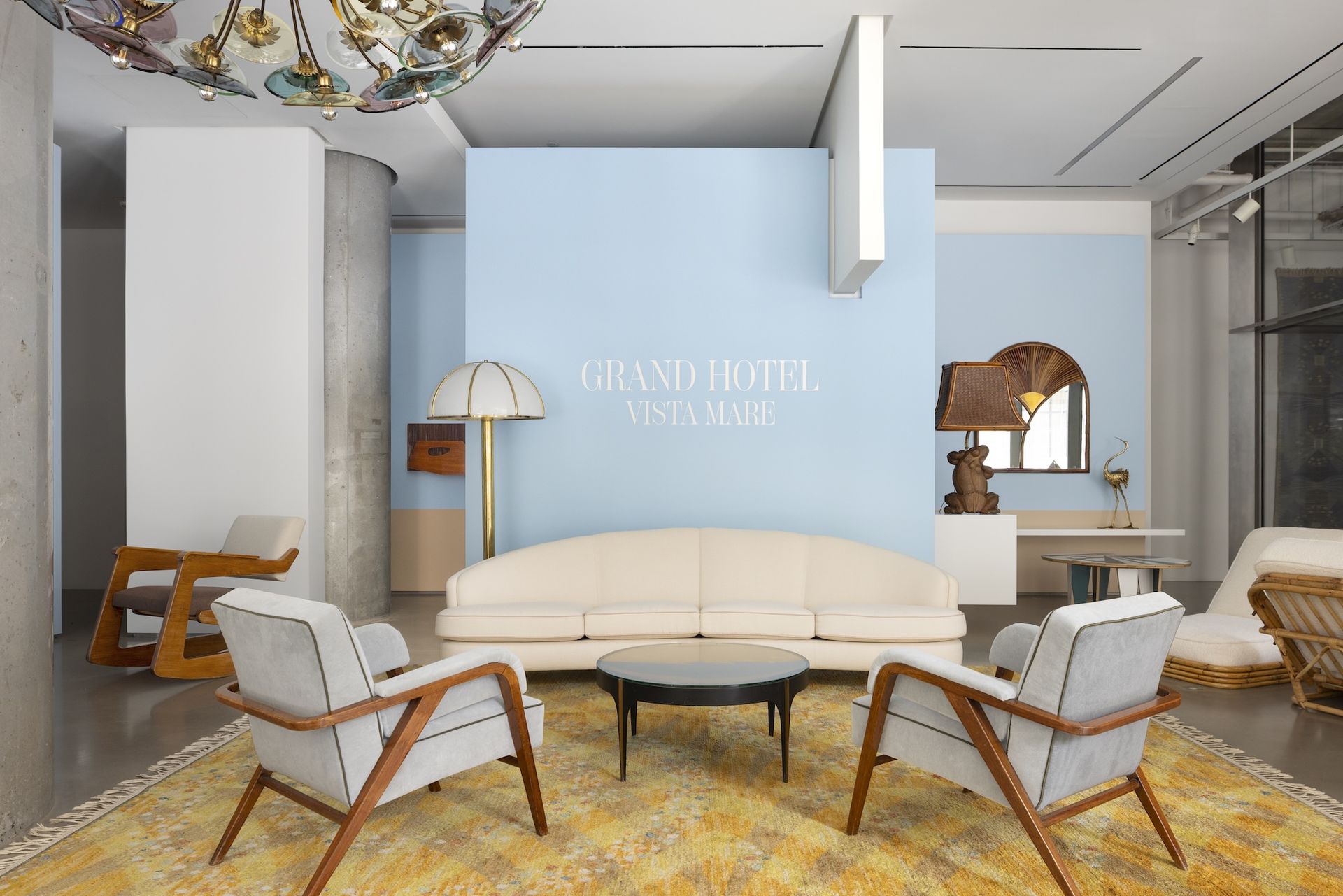
Earlier this year, it was announced that Italian architect Michele De Lucchi would take on the position of Creative Director at Triennale Milano, under Vincenzo Trione's new presidency. A role which he will serve alongside that of Design Curator and Director of the Design Museum, and as part of a scientific committee that includes Manuela Lucà-Dazio who will oversee architecture; and Andrea Villani, on contemporary art. An architect and designer, De Lucchi studied Architecture at the University of Florence, graduating in 1975, and was a prominent exponent of the Radical Architecture movement, as well as being a co-founder of the Memphis Group. Through his work for objects, furniture, and buildings, he has embodied an ever-evolving point of view on design. Rosa Bertoli speaks to De Lucchi to explore his vision for Milan's most important design institution, looking at its past to shape a vision for the future.
|
|
| |