| | Charlotte Gunn, director of digital content
As Britain, Wallpaper’s home base, experiences its wettest start to a year since 1871, across the pond, the tech innovations of our Californian friends are not handling their own downpours with grace. Be it the city’s food delivery bots sinking in overflowing gutters or Waymos stranding their passengers in flooded streets, the robot revolution, it seems, just can’t stand the rain.
Our fashion team have been on the ground in California and Utah this week, shooting a summer editorial that anticipated blue skies and desert sun, yet presented quite the opposite. But at Wallpaper,* we’re nothing if not adaptable. Pick up the June issue – out early May – to see how it turned out.
|
 |
 |
I, for one, am jumping ship, heading to Marrakech for a weekend of sun and souks. The city has just hosted Contemporary African Art Fair 1:54 ( see our highlights) but as the art crowd leaves town, top of my agenda is gallery hopping in Guéliz and a pitstop at Jnane Rumi (pictured) – a new art hotel to the north of the city. At the recommendation of our MD, dinner is booked at Sahbi Sahbi – a women-owned restaurant specialising in creative, Moroccan fare. If you can’t escape the rain, embrace it with a vibrant spring coat, from our picks of the season, and perhaps an elegant new umbrella stand. Then sit things out with a Weekendpaper* read – Nipun Prabhaka visits the perfectly preserved studio of late Nepalese artist Manuj Babu Mishra in Kathmandu; Jonathan Bell weighs up the best in concrete tech; and also restores a dose of California sunshine with a tour of the Kappe House, an LA modernist gem on the market for the first time. See you on the other side. |
|
 |
|
|
|
 |
|
 |
|
Step into late artist Manuj Babu Mishra’s studio in Nepal, a treasure frozen in time |
|
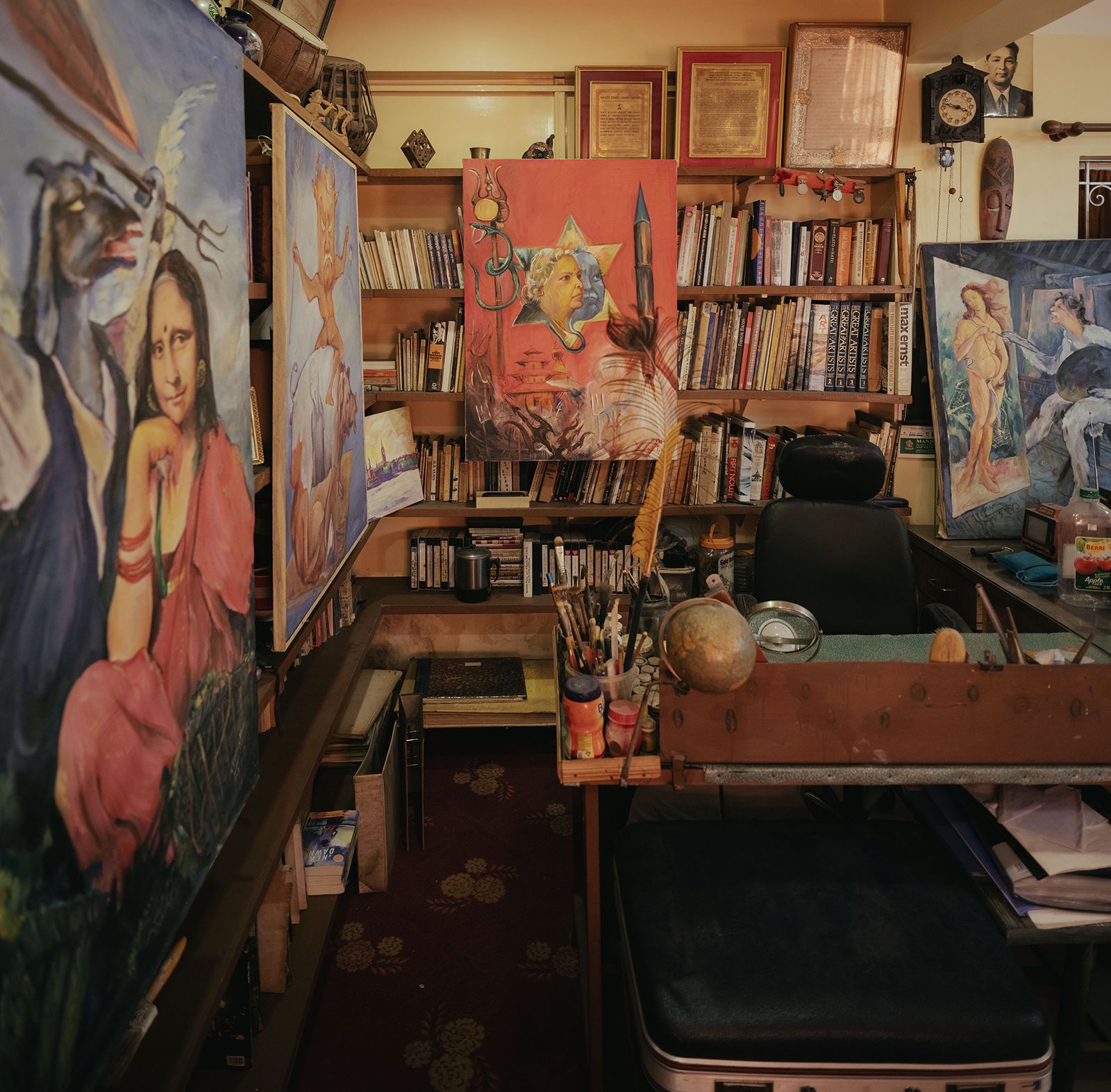
The chaos of Kathmandu has a way of dissolving the moment you step off the main road in Boudha, writes Nipun Prabhaka. The constant hum of traffic, the shuffling of pilgrims circumambulating the stupa, and the clatter of commerce fade into a background murmur. On my most recent visit to the city, I found myself standing before the gate of a house that felt almost like a border crossing into a different time.
I was here to see ‘The Hermitage’, the home and studio of the celebrated and enigmatic artist Manuj Babu Mishra, who passed away in 2018, having spent the last three decades of his life in self-imposed exile in the property, painting the chaos of humanity.
To call it a studio feels inadequate. It is a cockpit. It is a bunker... When an artist passes away, their workspace is usually cleared, catalogued, or repurposed. But here, the air feels heavy with a presence that hasn’t quite left. Since Manuj’s death, his son Roshan – director of Kathmandu cultural hub Taragaon Next and a custodian of Nepal’s architectural history – has kept the room in a state of suspended animation. It feels visceral, almost voyeuristic, as if the artist has simply stepped out for a cup of tea and might return at any moment to pick up a brush.
|
|
Be brutal, give concrete tech a spin |
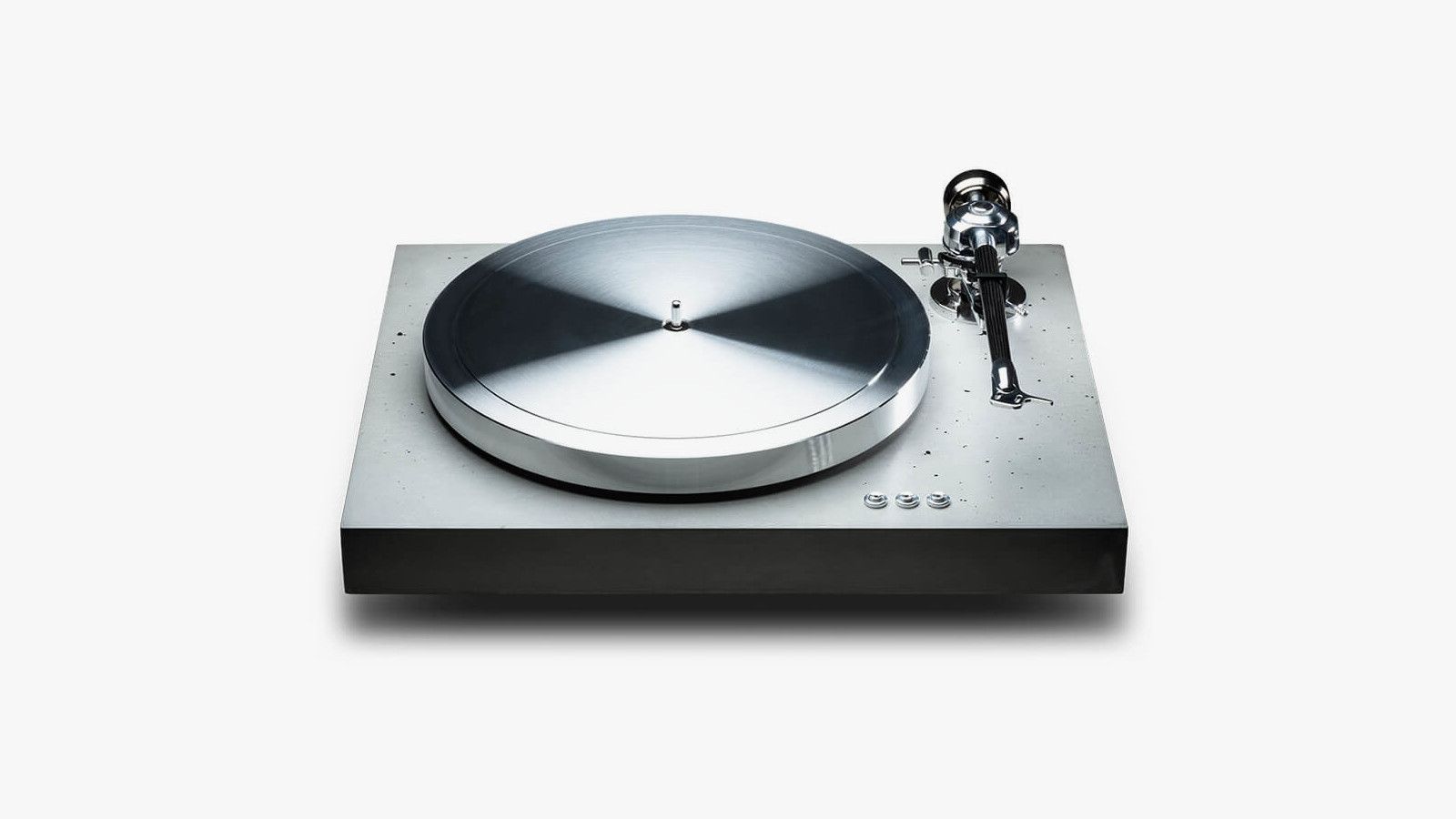
The allure of concrete isn’t confined to brutalist architecture. At some point, the miracle material found its way into the hearts and ears of the audiophile community, both for its weight and stability, but also for its undeniable aesthetic solidity. Ron Arad’s pioneering Concrete Stereo from 1983 was a mighty statement of 1980s excess that dovetailed the young iconoclast’s anti-minimal aesthetic with an almost mocking disdain for the matte black and chrome image of the decade. (You’ll find an example in the V&A’s collection, while a set sold for £47,500 at Christie’s in 2019.)
In more recent years, various companies have incorporated concrete into speakers, turntables, and even guitars. Now aggregate-infused tech goes beyond audio; there are concrete TVs, clocks and computer keyboards – Jonathan Bell explores the latest ways of being brutal with your home technology eco-system.
|
Possibly ‘the greatest house in Southern California’ is on the market – take a tour |
|
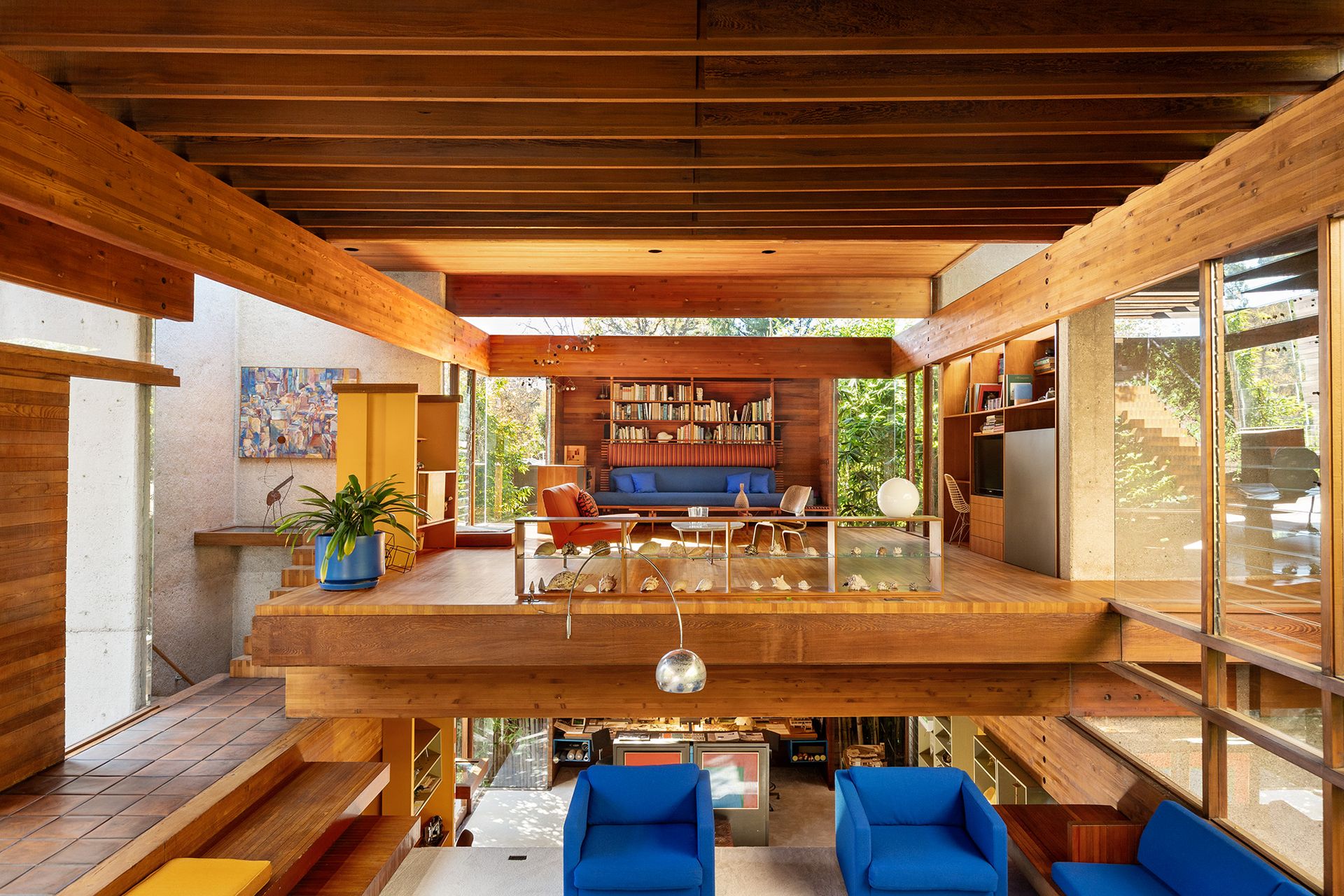
Nearly two decades ago, Wallpaper* correspondent Paul McCann and photographer Laura Wilson took a tour of the Kappe House in Pacific Palisades, along with another of the architect’s projects, the 1972 home and office of psychotherapist Dr Esther Benton in Brentwood. Kappe, who died in 2019 at the age of 92, co-founded the Southern California Institute of Architecture (better known as SCI-Arc) with the architect Thom Mayne of Morphosis. A pioneering architectural educator as well as a practising architect, many of his houses have featured in films and TV shows over the decades, helping shape the public perception of Californian modernism (the Benton house featured in Californication, One Hour Photo, Cruel Intentions, among others).
Of all the architect's projects – including the Triesch Residence near Berlin – Kappe’s own residence is perhaps his most famous. It was designated a Cultural Historical Monument all the way back in 1996, and the LA Times once cited it as possibly ‘the greatest house in Southern California’. With the house now up for sale for the first time, it’s easy to see why the architectural legacy of this particular project has been so enduring.
|
|
|
| |