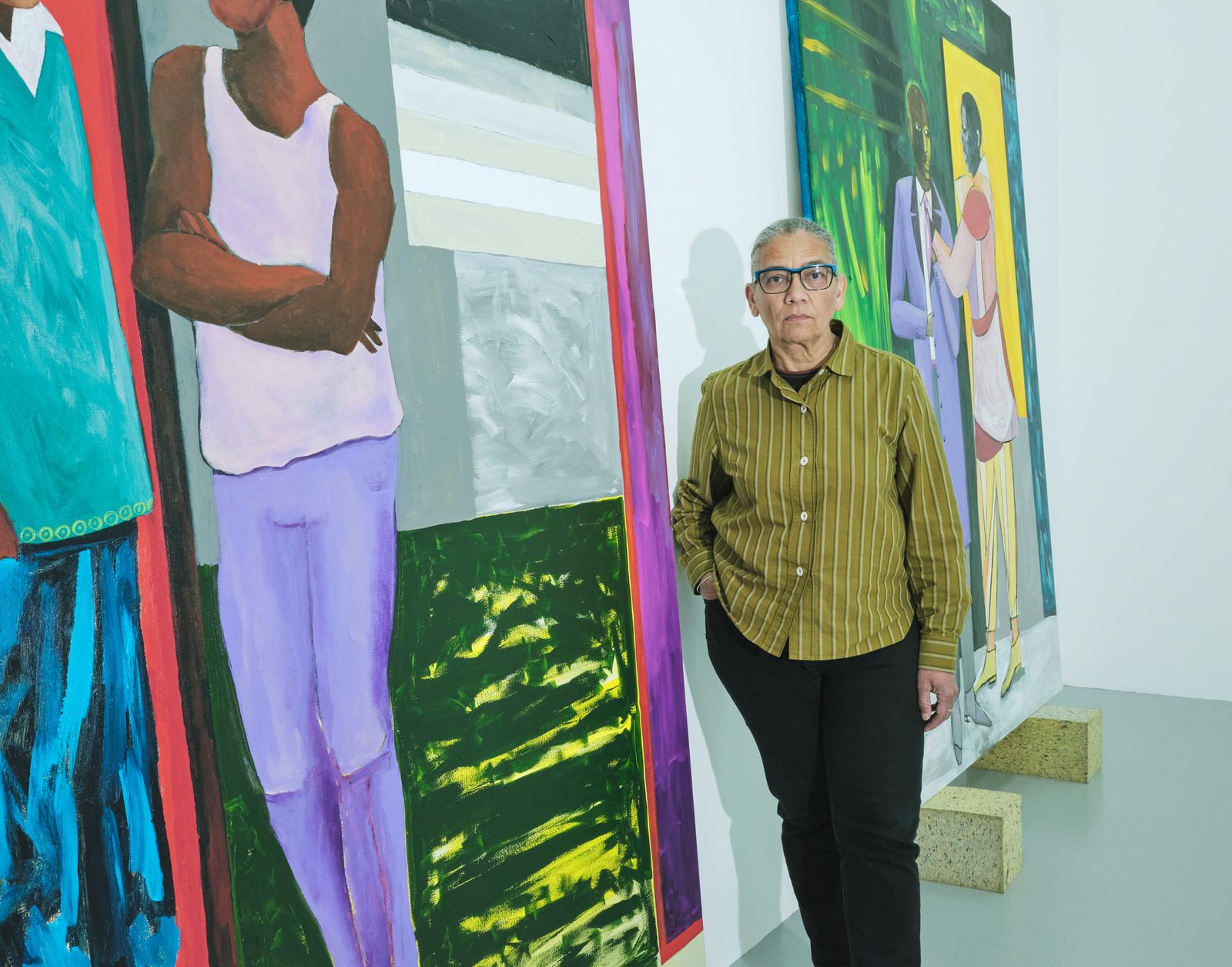
| | Hannah Silver, art & culture editorThe art world is gearing up to descend on Venice next week for the opening of the Art Biennale (9 May-22 November), and – as usual – there is a gloriously overwhelming lot to see. It’s all change this year, with the 61st edition kicking off with a newly designed Central Pavilion, all the better to host some of the world’s best artists. We’re particularly excited to learn how British Pavilion artist Lubaini Himid (below) – with whom we caught up last year, just after her commission was announced – has brought her space to life. |
 |
 |
|
We’ll also be checking out the youngest artist to represent the Danish Pavilion, Maja Malou Lyse, who is asking how imagery affects fertility in her work, and taking a peek at how Andreas Angelidakis is transforming the Greek Pavilion into an escape room. In the city itself, we are looking forward to seeing Sanya Kantarovsky’s beautiful works at the Istituto Veneto di Scienze Lettere ed Arti (more on this in our June issue, on sale next week), Barry Ball’s takeover of the Basilica of San Giorgio Maggiore and Su Xiaobai’s exquisite works in lacquer, among other must-sees. Of course, we’ll still make time for a Spritz, cicchetti and industry gossip, as we take our ear-to-the-ground role very seriously. Before we take off (new hotly hued suitcase in hand – see below), there’s plenty of time for Weekendpaper’s own cultural and creative mélange, from hip-hop photography to a modular sauna and interiors designed for sound. |
|
 |
|
|
|
 |
|
 |
|
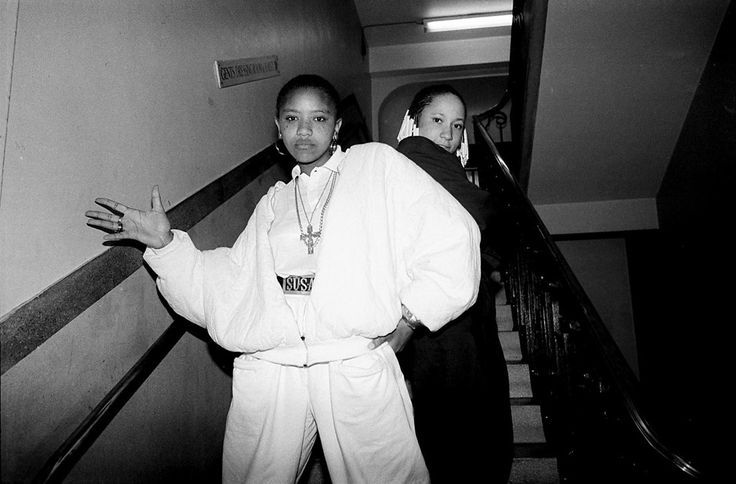
A rare, raucous chronicle of hip-hop’s golden age: meet photographers Eddie Otchere and Normski
|
|
Long before UK hip-hop and electronic music were globally recognised, Eddie Otchere and Normski were capturing culture in motion, documenting dancefloors and scenes as they unfolded in real time. From the birth of British drum ’n’ bass, breakdancing and raves to the early intersections of rap, sound system culture, jungle and garage, their images amplified Black British identity and celebrated youth expression at a pivotal moment in music history.
They also traced the crossover of artists from New York, LA, and Detroit through a British lens. Their photos captured the energy, chaos, imperfection, and intimacy of both superstar subjects and underground subcultures on film in a way that could neither be manipulated nor replicated. With their work currently on show at London’s V&A East as part of ‘The Music is Black’, for the first time, the two photographers come together in an interview, with Tracy Kawalik, to celebrate the impact of their images.
|
|
Inside Fondazione Dries Van Noten’s breathtaking first exhibition in Venice |
|
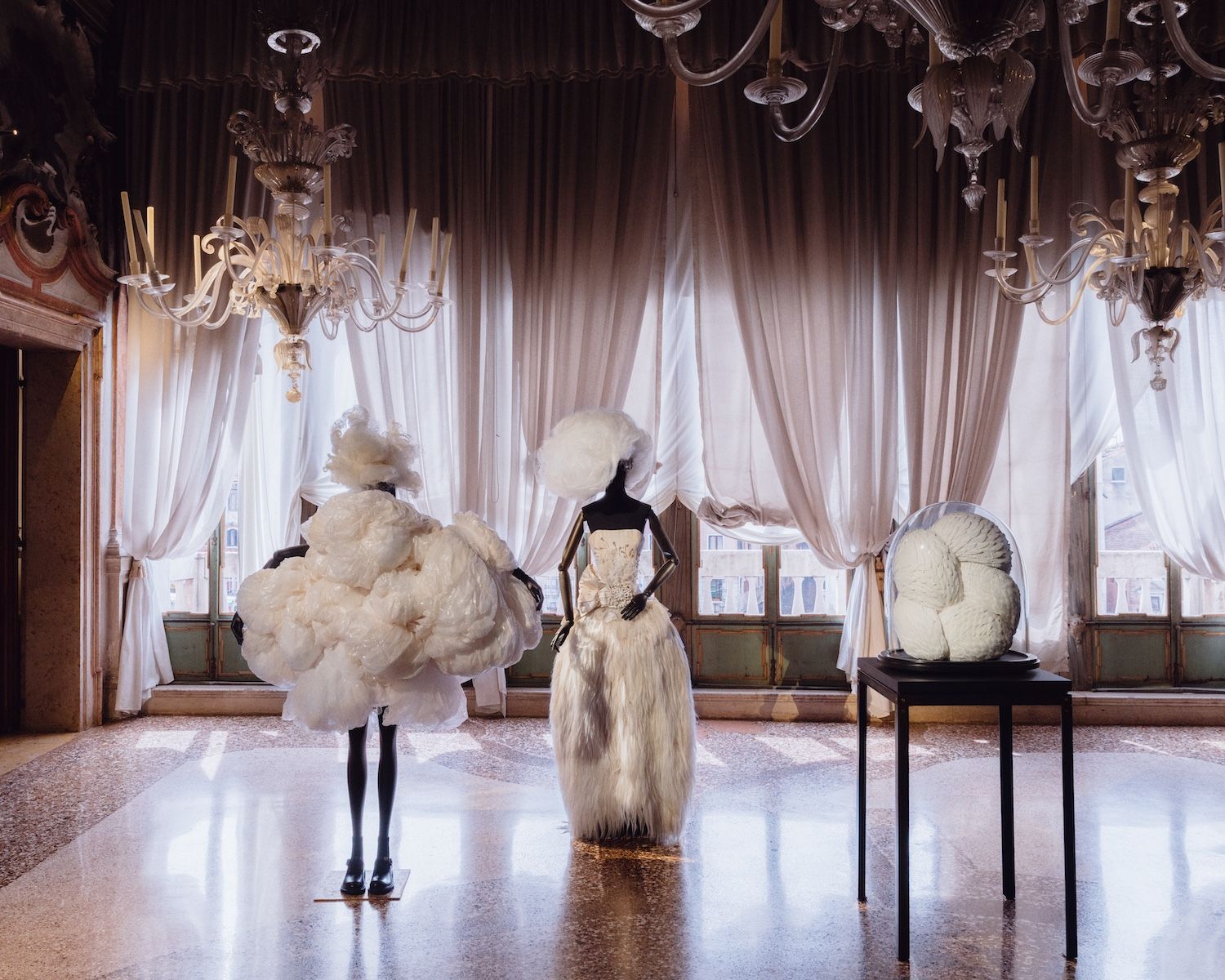
‘I wanted to do something else with my life. So we started the foundation to be about arts and crafts, and [to] show the importance of craftsmanship – things that are made with your hand, heart and brain,’ says Belgian fashion designer Dries Van Noten, who exited his eponymous label in 2024, and is giving us a tour of the debut exhibition at his new foundation, set within Palazzo Pisani Moretta in Venice (a space we previewed last year). ‘We have named our first presentation “The Only True Protest is Beauty”, a [line] from the activist Phil Ochs during the Vietnam War. I hope the show helps you think about the importance of beauty.’
The scope and scale of the show is beguiling, emotionally rich and often mind-boggling. Amid the palazzo’s grand stucco reception rooms, chambers (one in which Joséphine de Beauharnais, Empress of the French, slept), and up to a dressing room fitted with chinoiserie marquetry cabinets, visitors embark on an expedition into the most exquisite forms of craft. Join Harriet Quick for the full tour.
|
|
Ever feel ‘less is a bore’? How the quest for optimisation reshaped art, aesthetics and us |
|
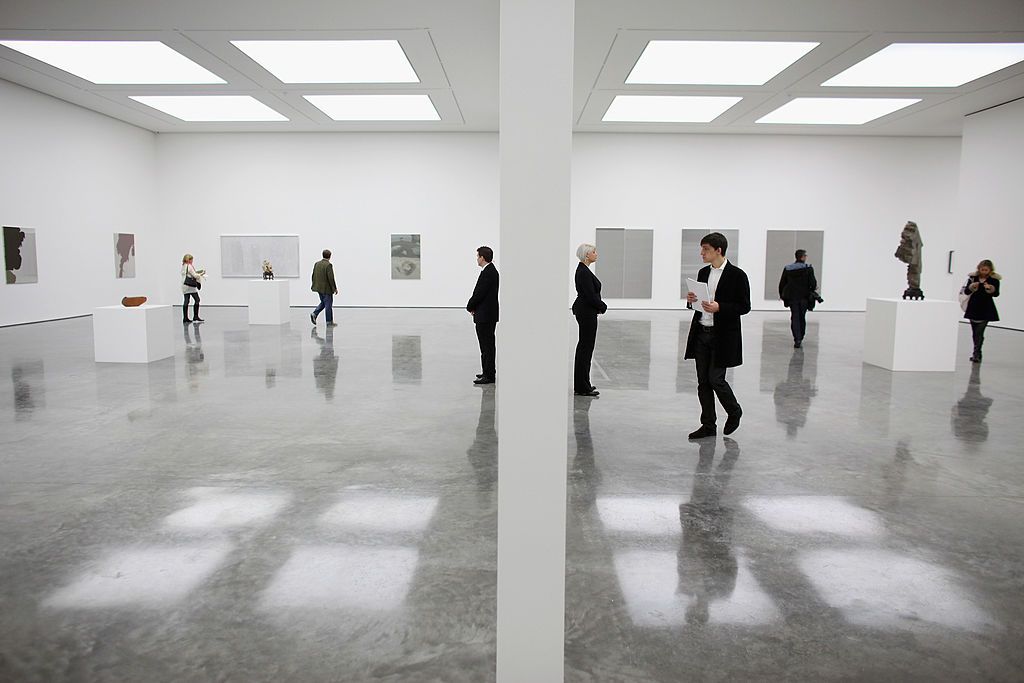
There was a time when optimisation was a technical term – the language of engineers, logistics managers and software designers. Today, optimisation is an aesthetic. In our algorithmically determined world, clarity sells. Design, at least in the digital space, is now about frictionlessness and legibility – all modular layouts, sans-serif type and white space.
The same logic has begun to seep into physical art, often designed to read at thumbnail scale, colour-calibrated for screens and staged around ‘shareable’ angles. It also underpins perhaps the defining ‘exhibition space’ of our time: the Instagram grid, clean, modular and infinitely scrollable. Meanwhile, a performance of self-optimisation plays out vividly on social media, where influencers document 5am wake-ups, regular workouts and ‘clean’ eating. Anna Solomon explores the ramifications of ‘digital modernism’ and its inevitable, emerging counter-aesthetic. To echo postmodernist Robert Venturi, is it the case, once again, that ‘less is a bore’?
|
|
|
| |