| | Bridget Downing, executive editorAs Wallpaper* editors prepare to make their annual foray into the design fair frenzy of Salone del Mobile in Milan (21-26 April), one of the most hotly anticipated events is EuroCucina. At this major international kitchen show, the latest design visions, innovations and technology cooked up by leading manufacturers are revealed. This year promises to explore ‘new habits’ and the ‘hybridisation’ of space, as well as ‘the desire for the outdoors, sustainability and artificial intelligence’. Having spent the last few weeks knee-deep in colour swatches, tile samples and layout suggestions for a new kitchen at home, I’m keen to see what inspiration emerges. |
 |
 |
|
Meanwhile, I was happy to note that, according to Wallpaper’s kitchen trends report for 2026 – gleaned from last year’s event – colour is currently a ‘thing’. After 23 years of neutrality (cream and wood), I’m game for a mood-boosting colour injection and have been bobbing about on a tide of indecision amid hues such as Seagrass (pale green), Mist (pale blue) and all things vaguely oceanic in-between. As for the floor? Sadly, regardless of what EuroCucina may have in store, the only pragmatic decision was to match it to the dog. Less Elephant’s Breath, more Hound’s Paw. And so my local tile shop invited him in, a dark and hairy walking moodboard, and something akin to his shade of Shedding Black was soon procured – Naples Grey, reassuringly more Italian. Perhaps EuroCucina could consider a dog-matching service. Scroll down for a hit of local colour from Weekendpaper*, from an architectural tour of the UK’s Dungeness to a look inside Michigan’s midcentury General Motors campus, and the butter-yellow Mexican egg basket you didn’t know you needed. |
|
 |
|
|
|
 |
|
 |
|
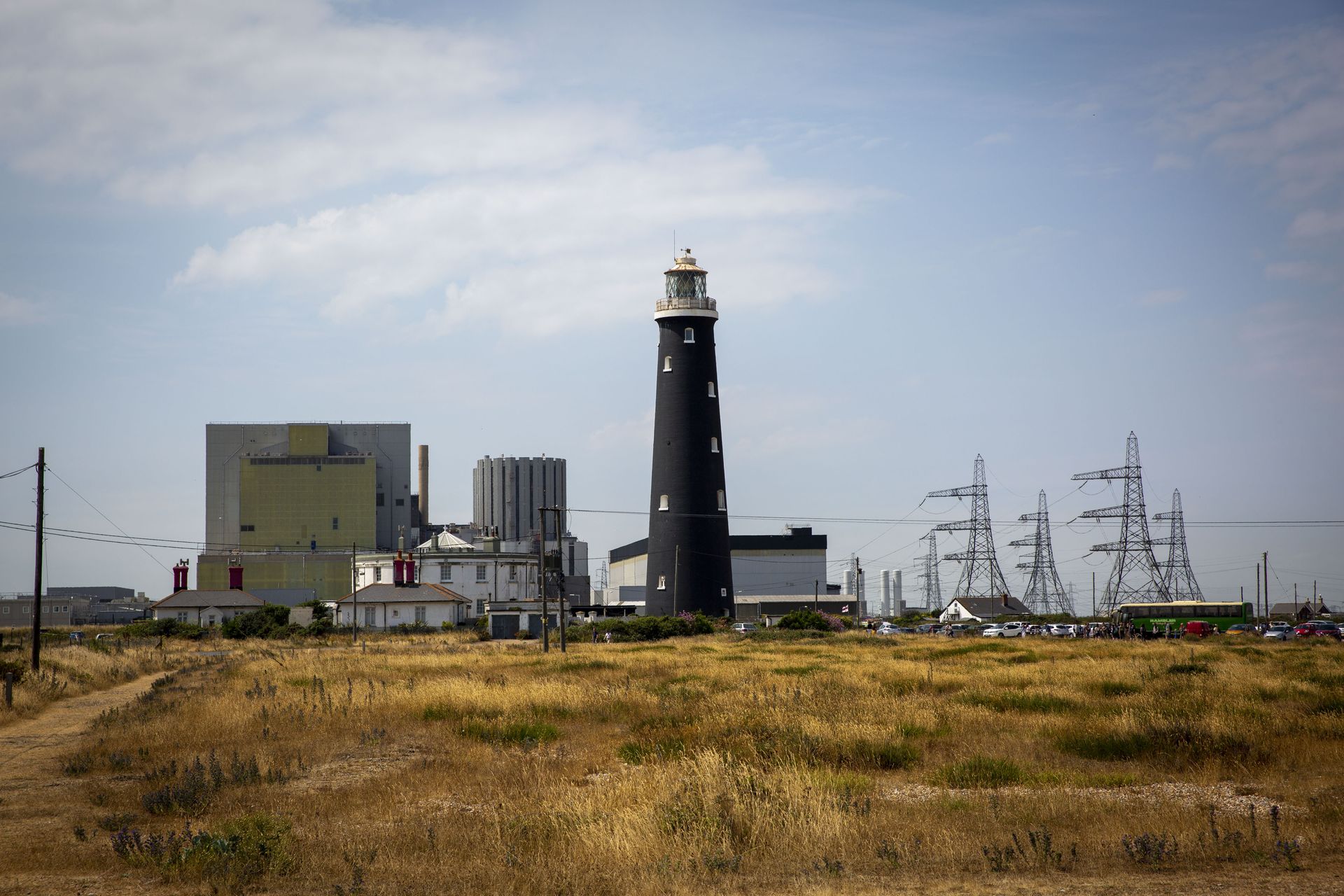
The eerie beauty of Dungeness, an unlikely contemporary architecture hub |
|
Wild, raw and resolutely unforgiving, Dungeness is one of the world’s most unlikely hubs of contemporary architectural expression. Overlooked by the hulking silhouette of a decommissioned nuclear power station, this desert-like sweep of shingle on the Kent coast is a place of unpredictable contrast. One where untamed natural beauty and man-made structures knit improbably, but seamlessly, together. Where abandoned rail carriages, salt-scoured fishermen’s huts and the hulls of upturned fishing boats are interspersed with flashes of modern design.
Protected as a National Nature Reserve and Site of Special Scientific Interest with few boundaries and nowhere to hide from the elements, it is not easy to build on this vast, exposed headland. But for many architects, designers and creatives, that’s all part of the draw. ‘You are designing and building at the highest level here because you have to create something that is both architecturally interesting and weatherproof,’ says Guy Hollaway, founder of Hollaway Studio, who has designed four properties on the Dungeness estate.
Emily Wright travelled to this beautifully bleak edge of England to find out what makes the UK’s largest expanse of shingle so magnetic.
|
|
How the Antwerp Six changed fashion forever – a new exhibition looks back |
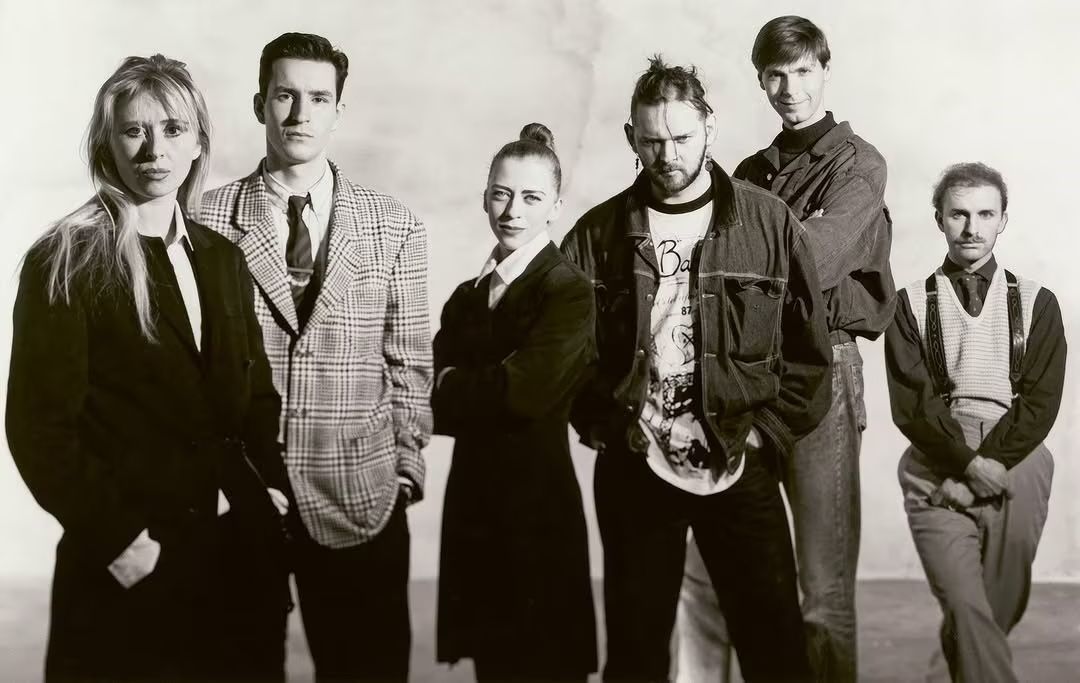
‘It was not like a pop group coming together and singing the same song. All six of them had different solo careers in mind,’ notes Geert Bruloot, one of three curators working on a new exhibition, opening at MoMu in Antwerp on 28 March, which will celebrate 40 years of the sextet of Belgian designers known as the Antwerp Six.
Dirk Bikkembergs, Ann Demeulemeester, Walter Van Beirendonck, Dries Van Noten, Dirk Van Saene and Marina Yee all trained at the fashion department of Antwerp’s Royal Academy of Fine Arts, graduating in the early 1980s. Their differing approaches, aesthetics and career paths, as well their unique legacy as a group contextualised within a broader fashion history framework, makes for a fascinating, complicated and ultimately visually arresting tale. For our exhibition preview, Bruloot and MoMu’s director Kaat Debo take Simon Chilvers through its twists and turns. |
Tour General Motors’ Global Technical Center in Michigan – a midcentury icon with a new addition |
|
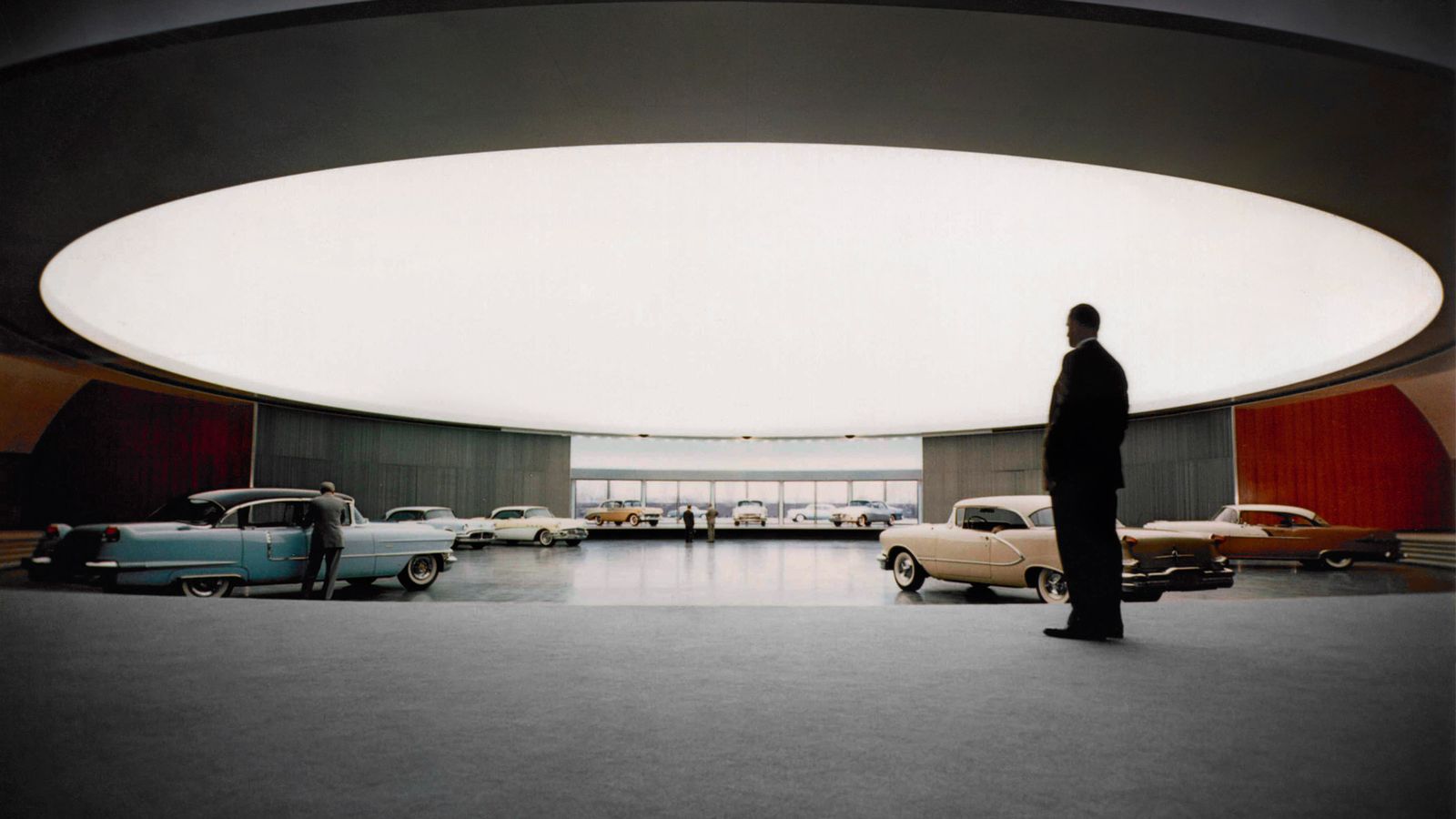
As a symbol of midcentury American industrial might and dominance, the General Motors Global Technical Center in Warren, Michigan, is unrivalled. This was the ‘dream factory’, the birthplace of the stylish, status-driven mobility that convinced a nation of its place at the forefront of the industrialised world. To visit the campus today is to simultaneously step back in time to the auto industry’s heyday of boundless confidence, while also sampling the far future of manufacturing.
The Global Technical Center remains at the heart of GM’s creative operations, some 70 years after it opened, conceived by GM executives Alfred P Sloan, Charles Kettering and Harley Earl. The commission was originally handed to Finnish architect Eliel Saarinen in 1944 and was completed by his son Eero, with construction starting in 1949 and the first phase of the 664-acre complex finished in 1956.
The campus still has the power to impress, its palatial scale combined with lovingly curated details, from bespoke tiles to Alexander Calder’s only sculptural fountain. Alongside its midcentury marvels, it’s also home to a remarkable new addition, the Design West building, a vast and future-facing design hub. Jonathan Bell takes a tour and meets those driving GM forward today.
|
|
|
| |