| | Bill Prince, editor-in-chiefThe launch of Wallpaper’s December 2026 Entertaining Issue this week is a timely reminder that it’s never too early – or too late – to dim the lights and dial up a favourite playlist or two, safe in the knowledge that we have left no stone unturned in our search for the best and brightest opportunities to celebrate in style. |
 |
 |
|
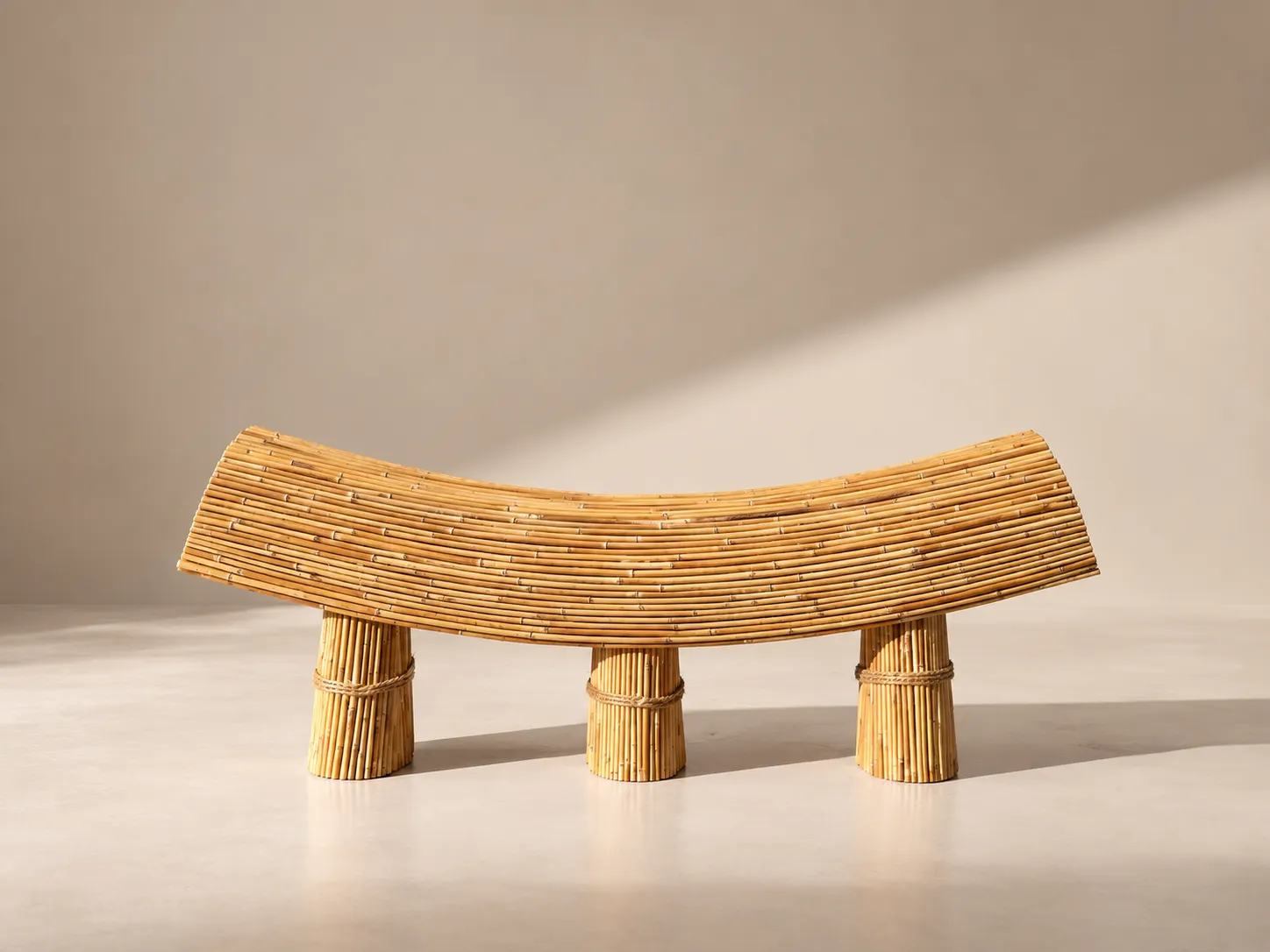
To this end, we deliver a veritable feast for the senses, inviting us all to consider how a degree of old-school decadence can transform a dining tableau. And, keeping conviviality at the heart of the matter, we take a trip to St Clement, the riverside London hotel co-developed by Mark Wadhwa and Nick Jones, atop which the capital’s favourite chef, Florence Knight, has worked with interior design and furniture studio Eagle + Hodges to create Lunette, the city's most in-demand restaurant (more on which below). Pick up your copy of December Wallpaper* on the newsstand to get the party season started. And read on for wardrobe inspiration from Lanvin’s Peter Copping, rare and refined candleholders for your table and, should our Bryan Ferry interview induce nostalgia, a rereleased Roxy Music album to set the mood. |
‘Food is about pleasure, right?’ Lunch at Lunette with chef Florence Knight |
|
On a bright but overcast afternoon, eleven floors up at the St Clement hotel – a new build near the river, looming over Temple Gardens at 180 The Thames – chef Florence Knight is holding court at her new 30-seat restaurant, Lunette. Flooded with early autumn light, its off-white palette, swathes of pale wood, steel tabletops, artist monographs artfully arranged on a coffee table and an abundance of Jean Prouvé’s modernist ‘INSA’ panels lining the walls make it resemble a curated loft apartment as much as a dining room.
Lunette is a deeply personal project for Knight – a quietly totemic figure in London's food scene, first leading the pass at Polpetto, and then at Clerkenwell’s Sessions Arts Club, which she co-founded – and, though the space was a concrete shell when she first saw it, the potential was clear. ‘I could see it instantly; the kitchen here, the bar there. The light, the movement and the water, it feels like it’s almost holding you,’ she says.
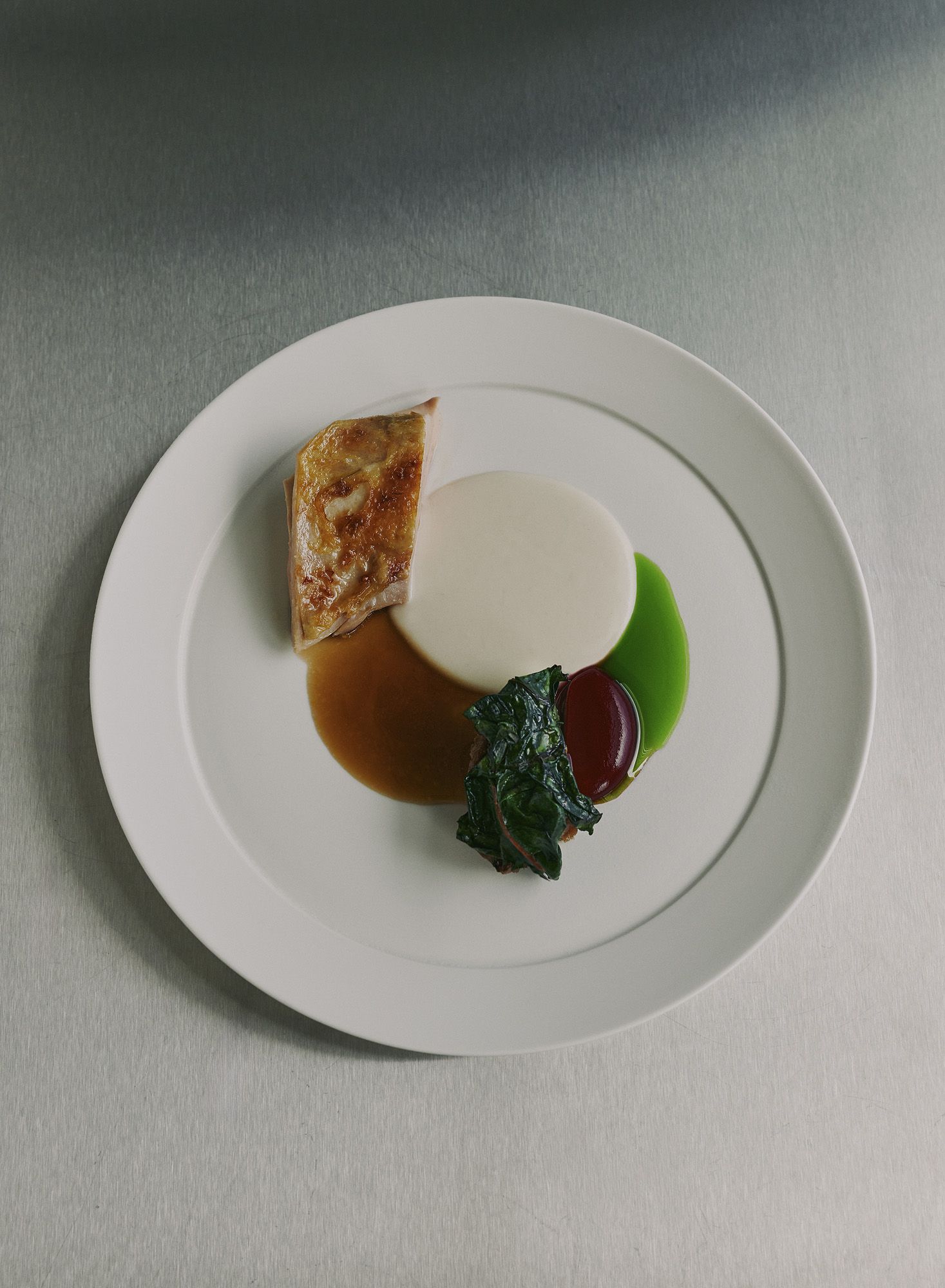
As for the food? Here’s how Tom Howells got on with plate of French guinea fowl with a hazelnut and celeriac sauce, an edgeless chocolate tart and much more.
|
|
Roll up, roll up, as Karon Davis puts on the greatest show |
|
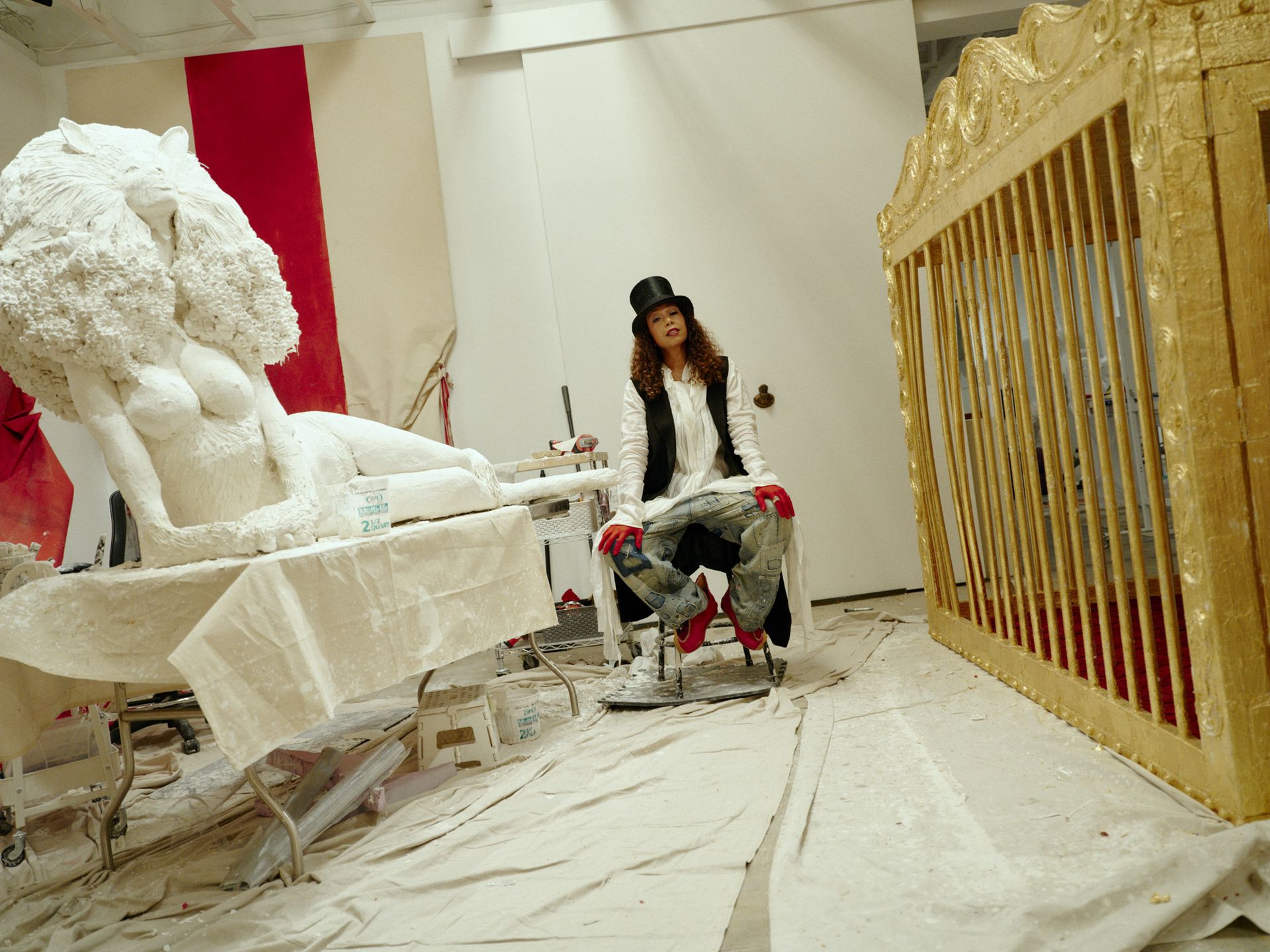
‘I’m a storyteller,’ says American artist Karon Davis. ‘I grew up in a family of showpeople, in sweaty rehearsal halls and in the wings, watching my father perform. It’s an element that is definitely embedded in my work. This act of performing and entertaining and razzle-dazzle – it was all around me.’ Born in Reno, Nevada, to Tony award-winning performer Ben Vereen and ballerina Nancy Bruner, Davis studied film, theatre and dance before turning to art. Her distinctive practice, of creating plaster casts of family, friends and occasionally herself, is rooted in this background of storytelling and performance. Frozen in action, Davis’ sculptures ask viewers to fill in the gaps from the fragments of narrative she presents.
Hannah Silver speaks with Davis about her two new shows that bring ‘razzle-dazzle’ aplenty. ‘Wishful Thinking’ at Salon 94 in New York (until 19 December) focuses on the absence of the Black figure in the art history canon: ‘Where are my heroes?’ she asks. Then there’s ‘Not My Circus’ at Seattle Art Museum (until 4 July 2027), a meditation on what it means to perform, through the lens of the circus. Through the magic and artifice, there’s a commitment to depicting the reality of the body. ‘I don't see Black bodies being celebrated. I want to celebrate the curves and the realness of women. You need to normalise everyone's bodies, and I hope with this show I do that.’
|
|
‘Fashion should constantly evolve’: Peter Copping on rebuilding Lanvin |
|
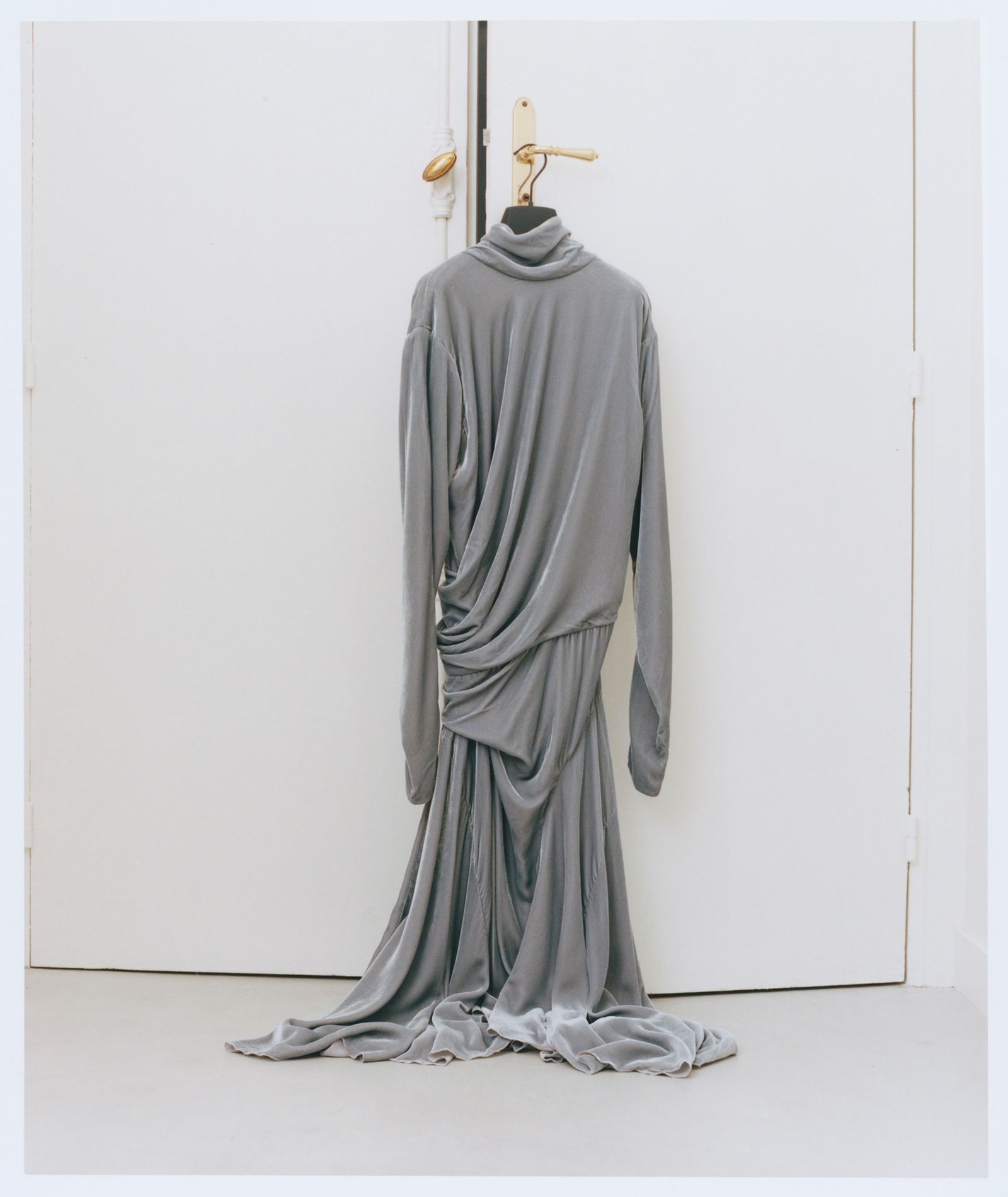
‘I think they wanted a good, solid designer who would bring stability,’ says Peter Copping when asked why he believes he was selected as the creative director of Lanvin – Paris’ oldest, continuously operating haute couture house – in 2024.
It is a modest understatement from a designer who has one of the industry’s most distinguished CVs ( with roles at houses from Louis Vuitton to Oscar de la Renta and Balenciaga). Two years on from his arrival, Copping is confident that Lanvin is moving forward (the shows are certainly the strongest, and most cohesive, since Alber Elbaz’s tenure, which ended in 2015, and the Lanvin Group reports ‘improving momentum’ in sales).
The red carpet is bearing that out (Cate Blanchett, Kate Hudson and Katie Holmes have all recently worn Lanvin's designs), while Copping believes a steadily growing group of clients is turning to him for the kind of craft-rich garments that only a handful of people will own. ‘There’s definitely a clientele looking for something more niche, pieces that are considered and special, that you won’t go to a party and find three other people wearing,’ he notes. Read Jack Moss’ interview to find out how Copping is transforming the French house’s fortunes through patience, process, period research and paillettes.
|
|
|
| |