WELCOME
Happy Tuesday, legends. Welcome back to The Frontier — your daily briefing on AI launches and news from Product Hunt.
Today: a 1.6-trillion-parameter model trained without NVIDIA, AI that reads your face during user research, agents in your Slack, and the first fully autonomous AI ransomware attack — which happened to coincide with Anthropic locking down Claude Code's default permissions. Probably not a coincidence.
Five AI tools you may have missed
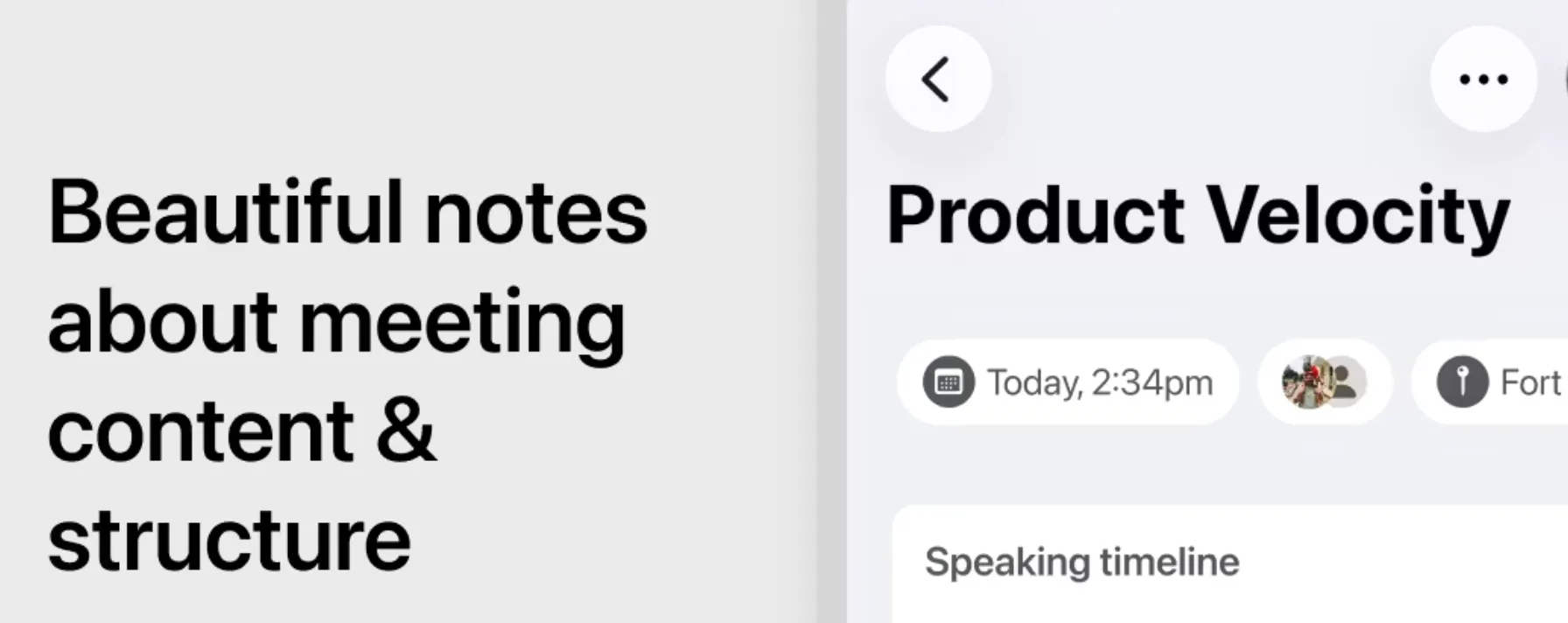
Ellis — AI notes for in-person meetings, entirely on-device. No upload, no cloud sync, just a transcript and summary that stay on your machine. For the conversations you actually have in a room rather than on a call, which most note-taking apps have been quietly ignoring.
Ogment AI — An AI coworker that lives in your Slack. Tag @O in any channel and it joins the conversation, answers questions, and runs tasks across your connected tools — already in the thread when context matters most, instead of a separate app you have to open and brief from scratch.
Mira — AI-moderated user interviews that watch how respondents feel while they answer, using facial coding, voice emotion, and eye tracking to flag the moments when what someone says doesn't match their face. From Entropik, nine years and 17 patents in human behavior research.
Glideo — Screen recordings that edit themselves. Record your demo or walkthrough and Glideo trims the pauses, adds captions, and removes filler — finished clip, no timeline. For demos, tutorials, and async updates where you want the result to look considered without spending an hour in an editor.
Katalyst — An AI agent that works your Salesforce pipeline: updates deal stages, logs activity, drafts follow-ups, and flags deals that have gone quiet. The argument: sales reps spend more time updating CRM than selling. The agent handles the administrative layer so the human can do the part that still requires one.
SPONSORED BY
So we're just...talking to software now?
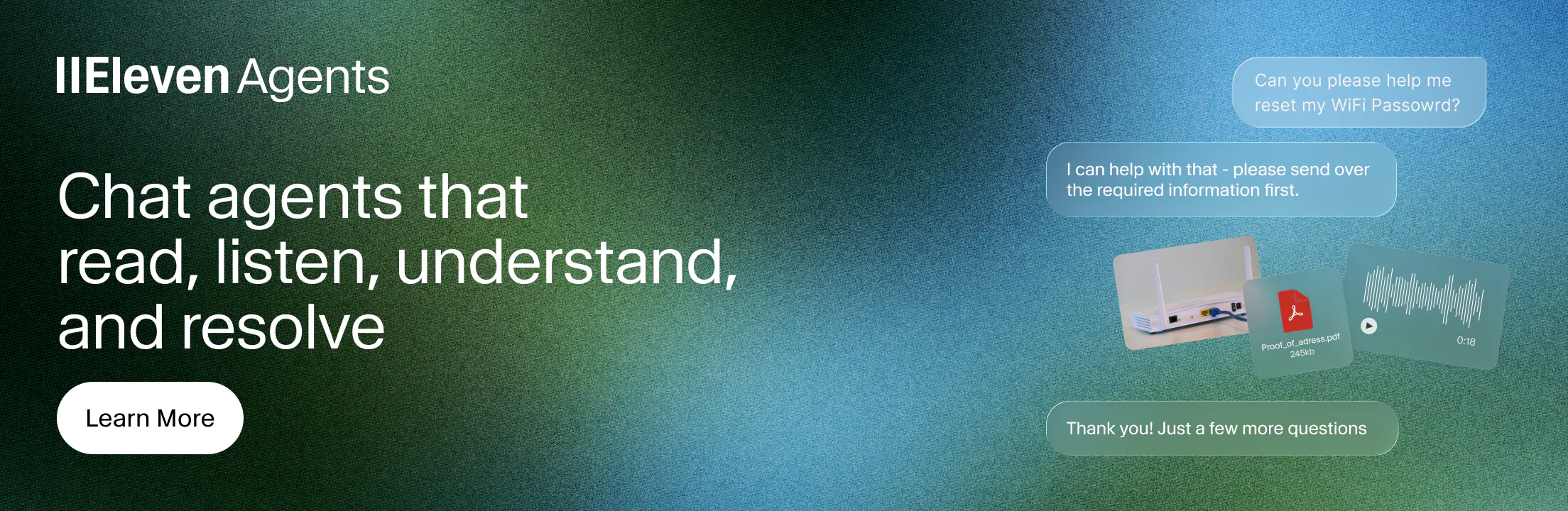
ElevenLabs has been the go-to for voice for a while. Now they've turned that expertise into agents that actually get things done. You set one up, it talks like a real person, listens, responds, and helps handle the task — support calls, bookings, whatever the job is. Not a demo, not a "press 1 for sales" situation. It's ready to deploy. Feels like one of those shifts where the interface quietly changes. Less typing, less clicking, more just saying what needs to happen and letting it play out.
WHAT'S HOT
A food delivery company just challenged NVIDIA
Meituan — the company that delivers dumplings and bubble tea to 700 million people across China — published LongCat-2.0 today: a 1.6-trillion-parameter open-weights model, MIT licensed, with a million-token context window. That's not unusual by itself. The part turning heads is the silicon: the entire training run happened on AI ASICs, no NVIDIA hardware anywhere in the stack, 35 trillion tokens from start to finish without a single rollback.
That last detail matters more than the parameter count. Alternative hardware has been the theoretical answer to NVIDIA's dominance for years. In practice it tends to die late in a long training run — a loss spike hits, the custom chip can't recover cleanly, and the team switches back to H100s. Meituan ran through it. 35 trillion tokens is a serious training run, not a demo. The fact that it completed clean on ASICs is the proof-of-concept the hardware alternative camp has needed.
There's an obvious question about why a food delivery company has this capability at all. The answer is that Meituan has been running large-scale ML for years — demand forecasting, routing, logistics optimization across hundreds of cities. The infrastructure to train at scale existed before the frontier model. LongCat wasn't a moonshot; it was a stress test on hardware they already owned.
The valuation of every major AI lab has a quiet assumption embedded in it: serious models require NVIDIA, and NVIDIA's position is durable because the alternatives don't work at scale. LongCat-2.0 is one data point, not a trend. But every time a training run this size completes without H100s, that assumption gets a little harder to defend. The hardware monopoly isn't broken. It just got its first visible crack from a company that primarily sells noodles.