| | Charlotte Gunn, director of digital content As the summer draws to a close, so does an annual six-week sojourn to Los Angeles. We are fortunate here at Wallpaper* that our parent company has offices on both the east and west coast – and with family in LA, it allows me to pretend to be bi-coastal (for at least part of the year). A few days off provided the perfect opportunity to tick off another LA-adjacent overnight trip ( Joshua Tree, Santa Ynez and Big Bear have all been previous favourites). This time, we drove 90 minutes to Ojai – a sleepier-than-anticipated town up the coast towards Ventura. Ojai’s crown jewel is El Roblar – a 1919 Spanish Revival hotel that reopened last year on Ojai’s main drag after a meticulous two-year renovation. |
 |
 |
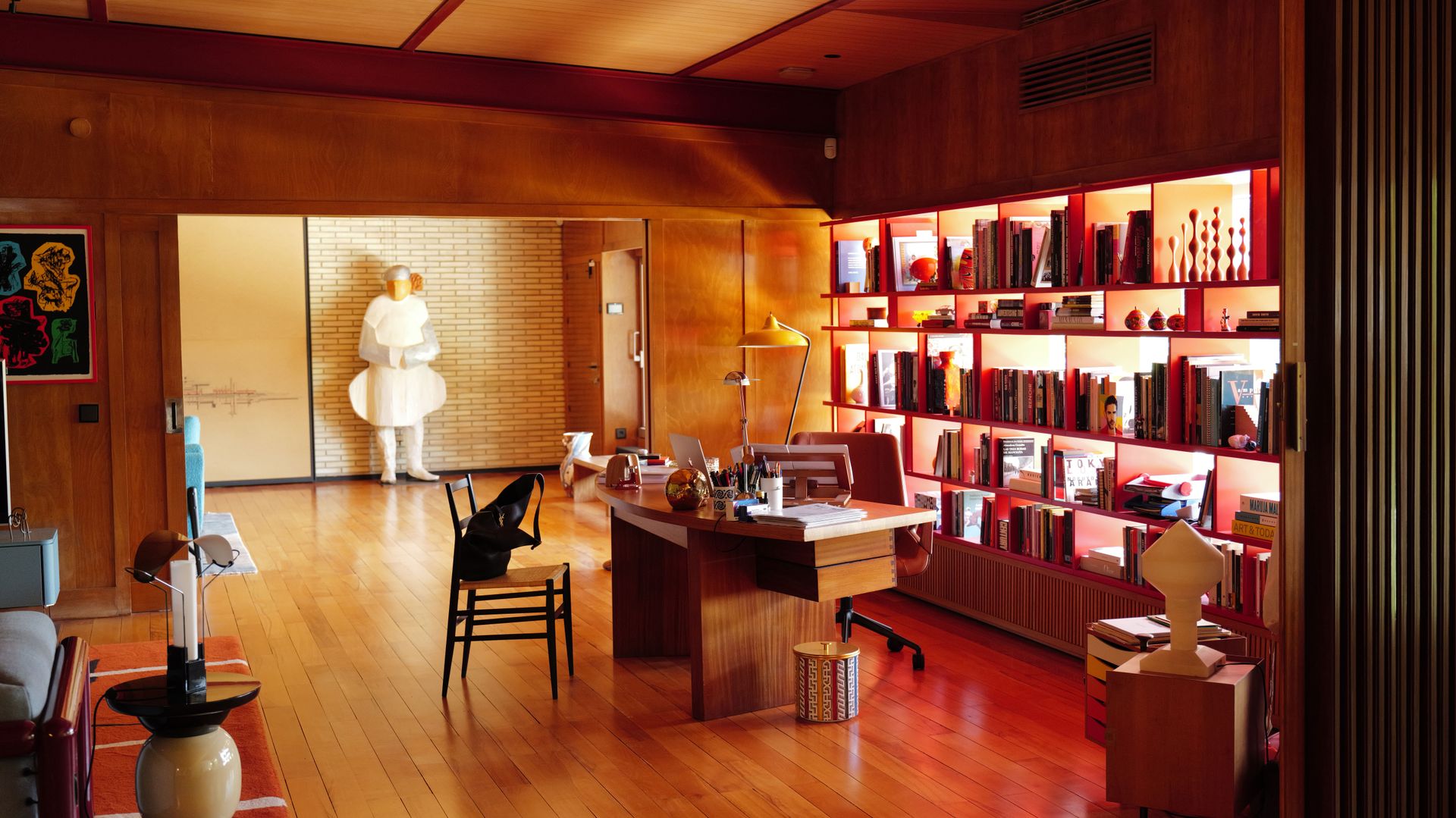
The design is impeccable – and it’s no surprise; there are some serious names behind it: hotelier and entrepreneur Eric Goode of New York’s The Bowery and Area nightclub, designer Ramin Shamshiri of Commune and Studio Shamshiri, Warner Ebbink of LA cult classic restaurant Little Dom’s, and Jeremy McBride, the filmmaker behind Tiger King and Chimp Crazy. This peculiar alchemy has created a hotel that feels utterly unique: a low-lit, wood-panelled dream of a space with nods to the Old West but with all the comforts of a modern hospitality offering. Across the street is Ojai’s beautifully renovated Playhouse cinema and with nearby creeks to paddle in and giant tortoises to pat in the hotel grounds, it’s the perfect R&R stop for when La La Land gets a bit much. Elsewhere in the world, US editor Anna Fixsen took a tour of former first daughter Barbara Bush’s Brooklyn garden, the fashion team prepare for yet another fashion month (pick up our travel guides to London, New York, Paris and Milan to plan yours) and in the office, we await the arrival of our bumper October issue – marking 30 glorious years of Wallpaper* and the return of our guest editors, out next week. Get a sneak peek of who’s involved and subscribe to Wallpaper* magazine here. |
|
 |
|
|
|
 |
|
 |
|
Wonderful again – explore Copenhagen’s new wave of restoration architecture |
|
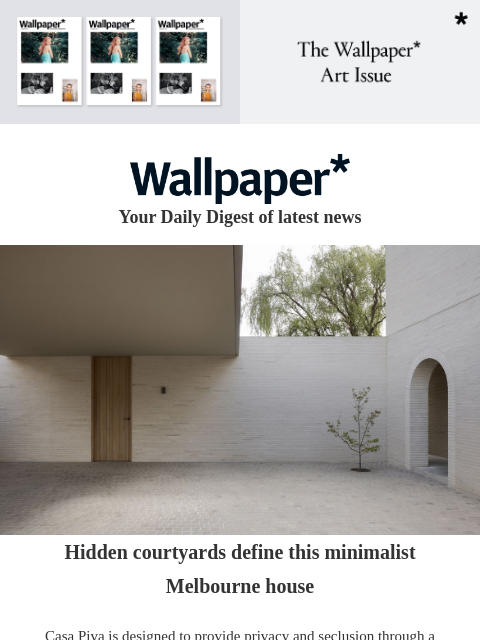
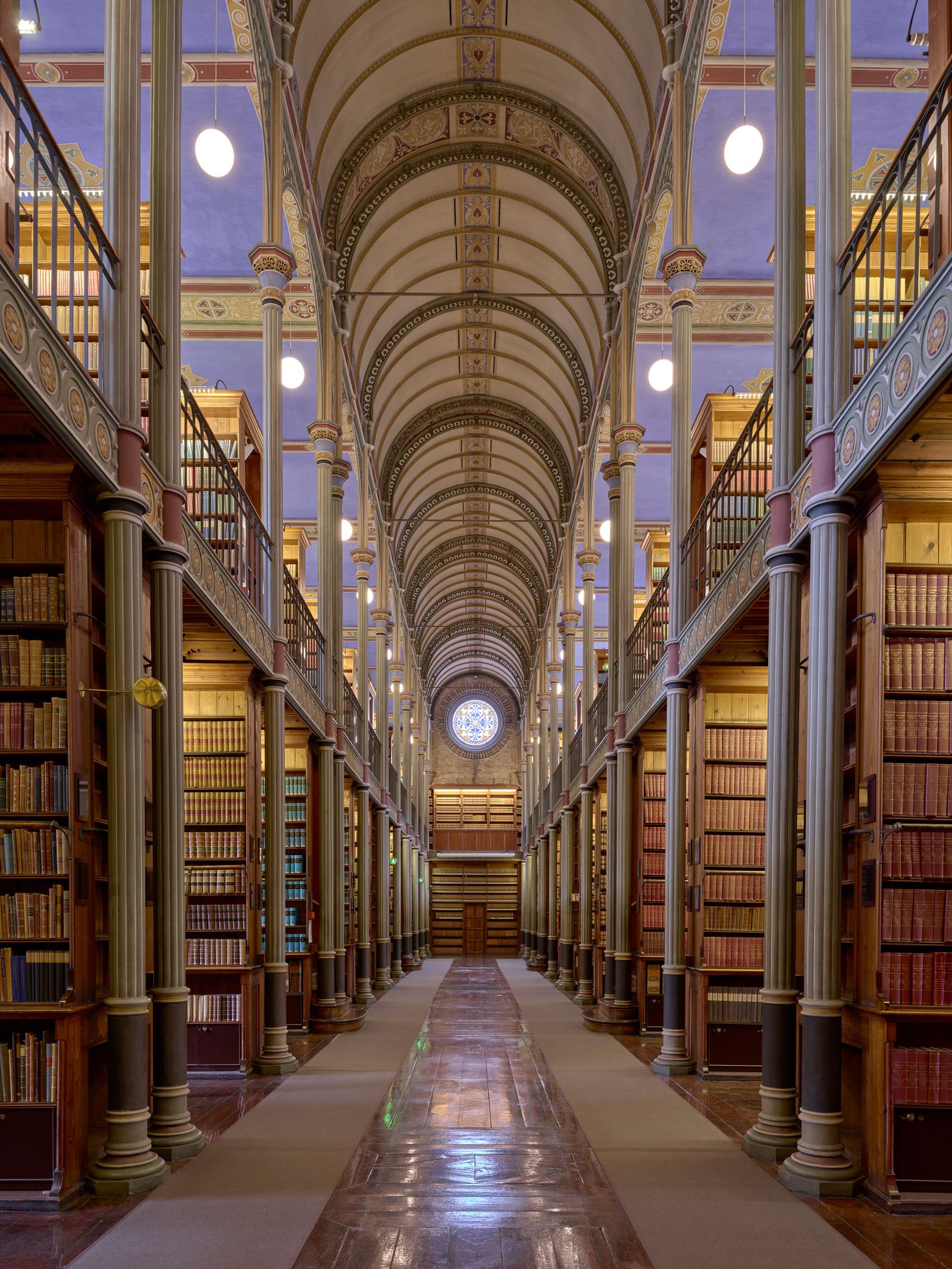
The start of the 21st century brought Copenhagen dynamic bridges, cascading housing blocks and a ski-slope energy centre that all looked like the future. Yet today, in 2026, for many Danish architects, it’s the past that’s guiding them into the rest of the century. There’s been a recent wave of restoration architecture projects in the city, showing the social and environmental value of preserving and transforming existing, period fabric rather than building anew. This October, the 1642 Rundetårn observatory tower with its copper dome, 1920s telescope and spiralling brick ramp will reopen after an extensive refresh. At the 1861 Gothic-inspired University Library in Fiolstræde (reopened in 2023), architects SHL’s challenge was to adapt it from an active student library to a public building, requiring considered additions while preserving its incredible atmosphere. As for Denmark’s most-visited heritage attraction? Nineteenth-century amusement park Tivoli is currently celebrating its new Japanese-themed ‘Hikari’ district, supported by a landmark investment of hundreds of millions of Danish kroner. ‘It’s a piece of Danish heritage that is really alive, it should not turn into a museum,’ Mørch Koch of Tivoli tells Harriet Thorpe. Join her for a tour of Copenhagen’s wonderful-again restorations. |
|
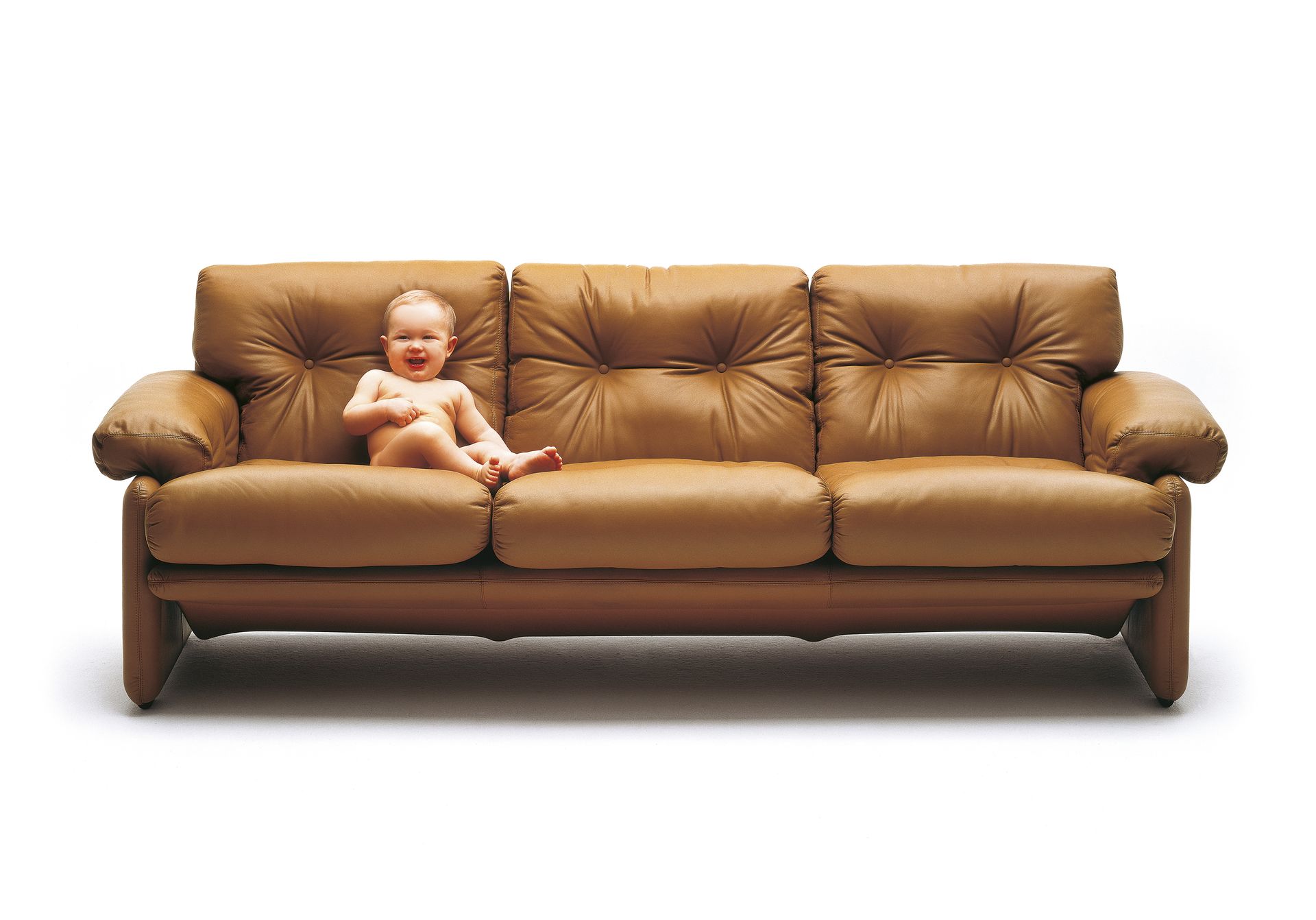
The B&B Italia campaigns that reimagined furniture advertising |
|
Sixty years after its founding, B&B Italia’s identity remains as recognisable as many of the furniture pieces it produces. While the Italian furniture company is celebrated for collaborations with designers including Mario Bellini, Gaetano Pesce and Antonio Citterio, it also pioneered an approach that treated graphic design, photography and advertising as extensions of the design process itself.
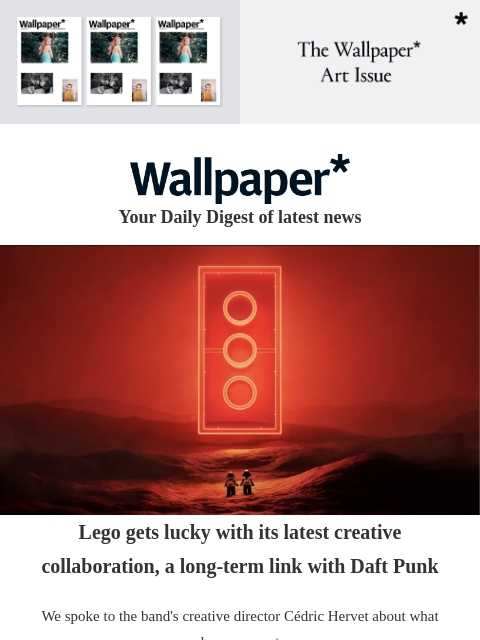
A defining early example came with the launch of Gaetano Pesce’s revolutionary ‘UP’ armchairs in 1969. Instead of placing the sculptural polyurethane seats within comfortable domestic interiors, Enrico Trabacchi – who crafted the company’s visual language for its first decade – collaborated with Swiss photographer Klaus Zaugg to stage them against stark, lunar landscapes that felt closer to science fiction than traditional furniture catalogues. The imagery echoed Pesce’s own intentions for the project, transforming a commercial campaign into a visual manifesto about technology, design and social change.
The company’s visual language continued to evolve with each generation. Here, Ali Morris looks back at the campaigns that often proved as influential as the products themselves.
|
|
Meet the photographer behind 50 years of Notting Hill Carnival photographs |
|
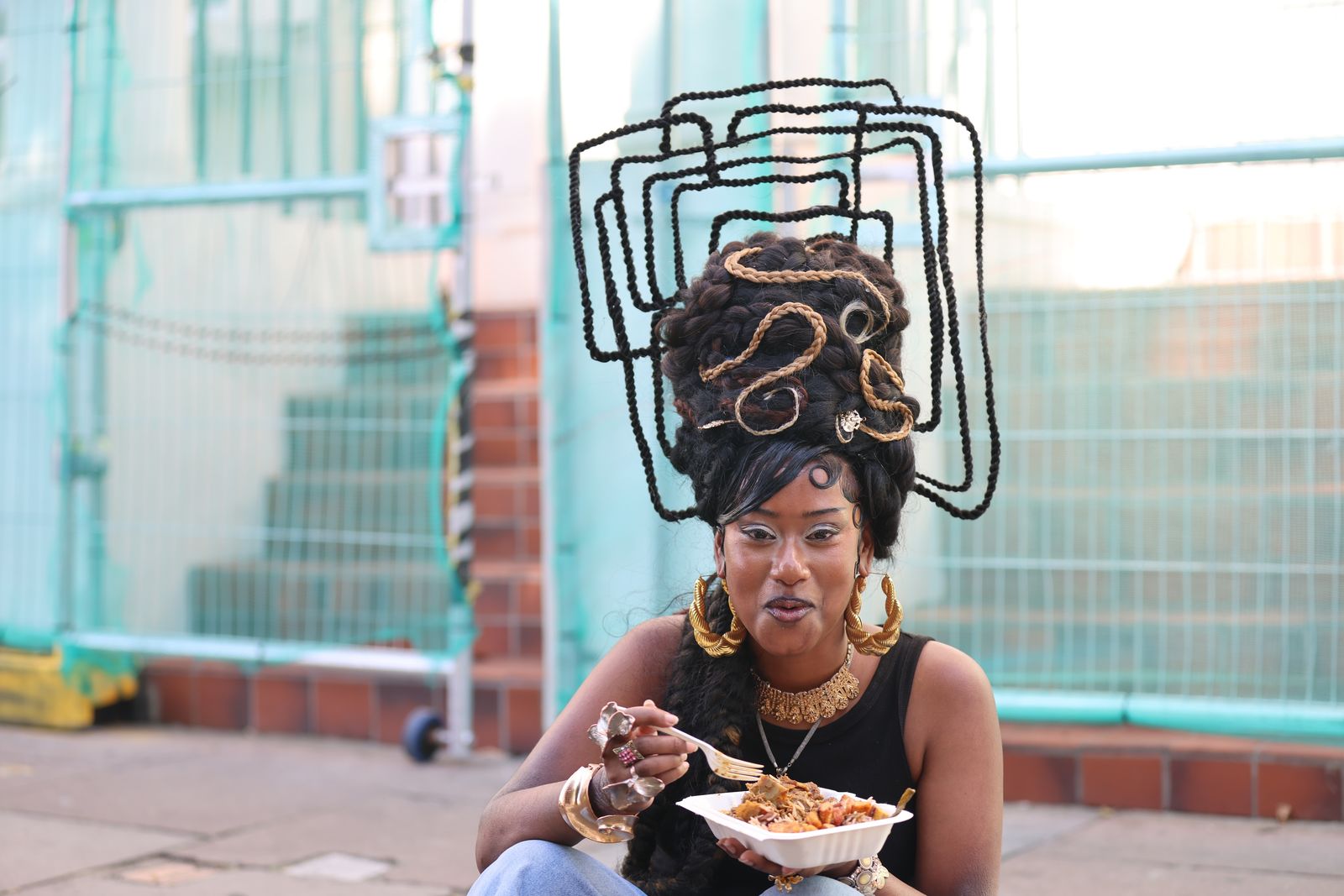
Late summer in London, August bank holiday weekend, can mean only one thing: Notting Hill Carnival. And 2026 is more special than ever for Europe’s largest street carnival, with the event marking its 60th anniversary. Also marking a significant anniversary: Ian Watts. The Londoner has been photographing the carnival for 50 years. In 1976 he was ‘a young teenager, just out of school’, living in a youth hostel in Harlesden. Armed with a second-hand East German Praktica, a basic SLR camera, and a bursting curiosity, he made his debut on the streets around Ladbroke Grove. ‘The group of guys I was hanging out with said, “Let’s go down to Carnival.” In the end, they decided not to go. But I went anyway,’ he remembers. ‘I shot [mostly] black and white, and also some colour film. And my feeling was: wow, this is a great experience! I was primarily drawn because I'm very interested in sound-system culture and reggae music. But I went on a voyage of discovery.’ It’s been continuing ever since. With highlights of Watts’ archive now on display at Outernet, Craig McLean caught up with the photographer to discuss his best (and worst) Carnival experiences. |
|
|
| |