| | Jonathan Bell, transport & technology editorIt’s smartphone season, with a clutch of new devices from Google, Samsung, Motorola, Nothing and more making their way into the marketplace over the next few weeks. These days, the smartphone’s form factor is all but set in stone and from a distance, very, very little separates a flagship device from a budget one. We used to think that distinction came with a correspondingly high price tag. But what happens when high-end aesthetics move from the premium sector down to the mass market? Over the past two decades, high-end tech design has become all but invisible as cheap smartwatches slavishly mimic the form and functionality of an Apple watch costing multitudes more. Generic ubiquity threatens symbolic status |
 |
 |
|
Is automotive design the next pillar to fall? This week, I got behind the wheel of the Changan Deepal S05 in the heart of Austria’s Berchtesgaden Alps. The S05 is modest to the point of anonymity – try finding it in a crowded car park – but it also does everything a so-called premium brand can achieve at half the price. In contrast, when Adam Hay-Nicholls drove the new 849 Testarossa on the track in Italy, he noted (approvingly) that the Ferrari’s intent is to make an impression. Subtle it is not. And at ten times the price of the humble Changan, nor should it be. However, if you compare the earlier Ferrari Purosangue with the newly launched and suspiciously similar Xiaomi YU7, you’ll see that technology is happily trouncing the longstanding link between aesthetics and status. Luxury automotive is looking to the lustre of the past to retain its exclusivity and the last month has seen a splurge of revivalist restomod designs – Lunaz AM DB6, Autoforma Norrsken and Everrati’s electrified take on the classic Mini. Design innovation is being usurped by the classics. Proof, perhaps, of the power of good design and the maxim that originality will always endure. Find plenty of both in this edition of Weekendpaper*, which brings you reissued Gaudí furniture designs, a chat with architect Shigeru Ban, that Testarossa test-drive, a tour of nonagenarian British artist Rose Wylie’s joyful solo show in London, and a shoppable edit of minimalist tableware designed to last. |
|
 |
|
|
|
 |
|
 |
|
Shigeru Ban on paper architecture, permanency, and now making mud stick |
|
You’d expect a Pritzker prize-winning architect to be a fascinating speaker, but it was an unanticipated bonus when Shigeru Ban, speaking at the Royal Geographical Society in London last week for the RIBA + LKE Ozolins Lecture 2026, turned out to be funny to boot. The Japanese master – whose long and experimental career includes perfecting building with paper, embracing bamboo, and developing a rich portfolio of pro bono work for disaster relief architecture – charmed the audience. Tales of his work spanned private homes (including the first building made of paper to be granted planning permission in Japan), cultural destinations like the Centre Pompidou-Metz, and anecdotes such as a client request to have a giraffe in their building (the headquarters of the Swatch Group, in the middle of Tokyo; he complied, with a timber sculpture). He also spoke of challenging ideas of temporary building. ‘Even a building made of paper can be permanent if people love it,’ he said. ‘That is my definition of what is permanent or temporary.’ Ellie Stathaki caught up with Ban to talk more about his career and future plans, including a timber hospital in Ukraine and a foray into mud architecture in Oman. |
|
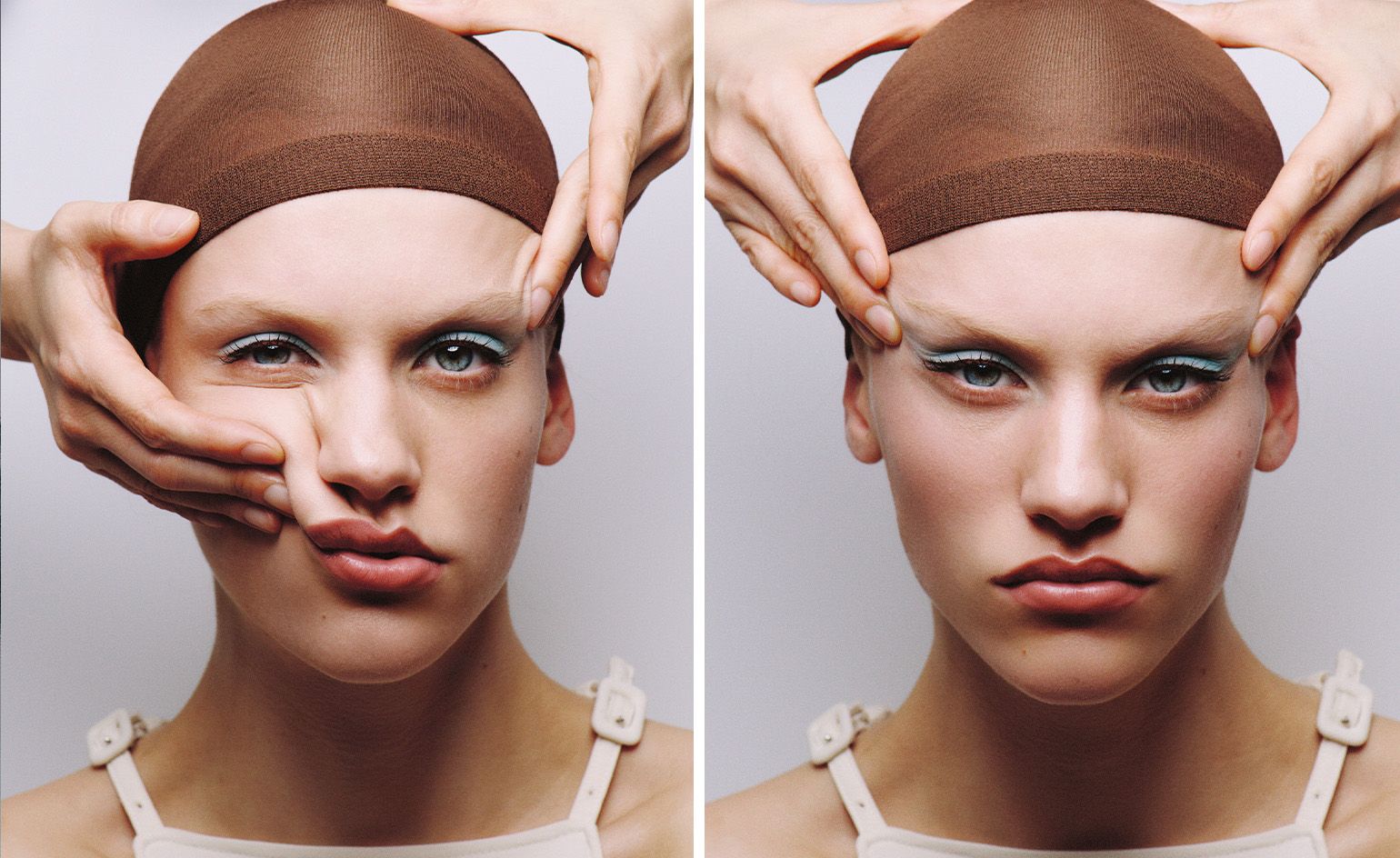
The rise of the ‘unnatual natural’ new face |
|
I recently interviewed a well-known name in the beauty industry whom I knew must be over 30, writes Mary Cleary, but beyond that, his age was impossible to discern. It wasn’t so much that he looked younger, but his skin was so poreless, so wrinkle-free, that it wasn’t a version of a thirtysomething I had ever seen before. It was like a Roman sculpture come to life, marble smoothness in human flesh form, an image of youth that existed in no time and eternal time. Here was a man, pickled.
We may soon be encountering people like this on a daily basis. We might even begin to look this way ourselves. That’s because the next ten years will see a significant shift in the skincare industry, a shift fuelled by advancements in treatment technology, the rise of GLP-1 weight loss medications, a growing fatigue with fillers and Botox, and a desire for a unique, ‘authentic’ appearance in a culture increasingly dominated by AI. Read on to find out how the experts – from plastic surgeons to skincare specialists – think we’ll be facing the future, and the treatments and procedures we could be buying into along the way. |
|
Roll up the sleeves of your pale-suit jacket for a Miami Vice-worthy Ferrari ride |
|
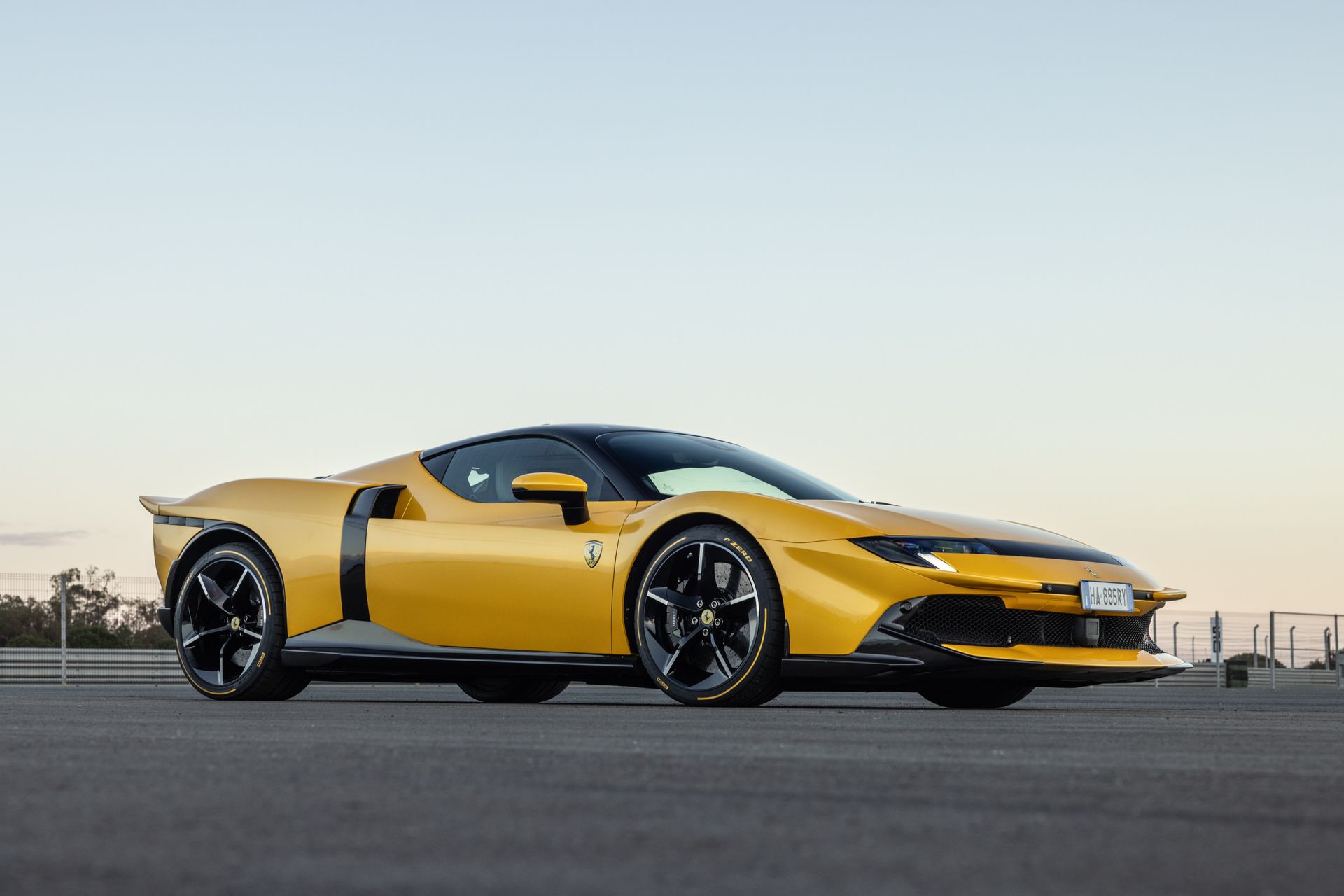
Fans of Phil Collins, Ray-Ban Wayfarers and Hawaiian shirts are in for a treat: another new Miami Vice movie is in development. It’s understood that Austin Butler and Michael B Jordan are in talks to play Crockett and Tubbs. That’s an inspired bit of casting, but the actors were never the stars of Miami Vice. It was the cars that had marquee billing. Were I a Hollywood producer rebooting this seminal 1980s TV classic, I’d be on the phone right now to the Ferrari 849 Testarossa’s agent.
The new car is the 2026 reboot of the one I had on my duvet cover back when Jan Hammer’s theme came out of the speakers of my parents’ faux-wooden television. The show’s white Ferrari Testarossa was unspeakably glamorous. It was the definition of 1980s excess rendered in aluminium and steel. Now, having been retired for 35 years, the name is back. The 849 Testarossa isn’t a nostalgia trip, though. The spirit of attention-seeking is alive and well, but everything about this car is rooted in the future.
Buckle up with Adam Hay-Nicholls as he takes to the track to find out if the new iteration of a legend lives up to its name and looks.
|
|
|
| |