| | Sofia de la Cruz, travel editorI recently came across a line from actress Hailey Gates on my favourite Substack account, Director Fits, in which she writes that she still dresses up to go to the airport because flying is a privilege. It is a statement worth thinking about. To travel – discovering new places and perhaps something about ourselves – remains one of life’s luxuries. At Wallpaper*, travelling is second nature, and we try our best to savour it. Whether on assignment or off-duty, our ever-curious editors are drawn to places and experiences that are mind-expanding and spirit-lifting. The past 12 months have seen us report on destinations from Tbilisi to Hong Kong and Hiroshima, and check into some of the world’s best new hotels. As a new year approaches, the instinct to plot the next detour feels almost automatic. But, before looking forward, I asked colleagues to look back and share the locations they visited this year that stayed with them long after departure. |
 |
 |
|
The Wallpaper* team’s personal travel highlights of 2025 are as good a starting point as any to consider your plans for the year ahead. And remember, the next stop doesn’t always have to be somewhere new. After all, some of this year’s most compelling hotel openings have been thoughtful reinventions of places already known, from Aman Rosa Alpina in Italy (part of our tour of the Dolomites, below) to the Waldorf Astoria New York and the Park Hyatt Tokyo. The new is seductive, but there is pleasure, too, in the familiar. Before you take off, Weekendpaper* has more inspiration – architecture tours of the Seto Inland Sea in Japan and Ahmedabad in India, exhibitions in Milan, Miami and Togo, a pocketable camera to take, and Texas-themed glassware to evoke a Wild West flight of fancy even in the armchair traveller. Bon voyage. |
Take a tour of the ‘architectural kingdom’ of Japan |
|
The Seto Inland Sea in Japan, nestled between the Hiroshima, Okayama, Hyogo, Kagawa and Ehime prefectures, is a treasure trove of 20th and 21st-century architecture gems. It’s the result not only of local architects’ inspiring visions but also the deep ambition of a series of forward-thinking clients – a confluence that created the perfect breeding ground for pioneering building design.
There was plenty to build following the destruction of the Second World War. Politicians and local business leaders wanted new public buildings that would be cherished by all and that would demonstrate the ideals of Japan’s newly formed democracy. The charge was led by Masanori Kaneko, who served as governor of Kagawa Prefecture for 24 years. Guided by the conviction that ‘politics and art are one and integrated as a whole. Both must be dedicated to enriching the life of the citizens,’ he commissioned the construction of several civic buildings and cultural facilities, which earned him his nickname, ‘design governor’.
The result is one of the richest assortments of architecture in Japan, by some of the world’s leading design names. Kanae Hasegawa guides us through eight highlights of the Seto Inland Sea region. |
|
Head to the Dolomites, all zhuzhed up for their Winter Olympics close-up |
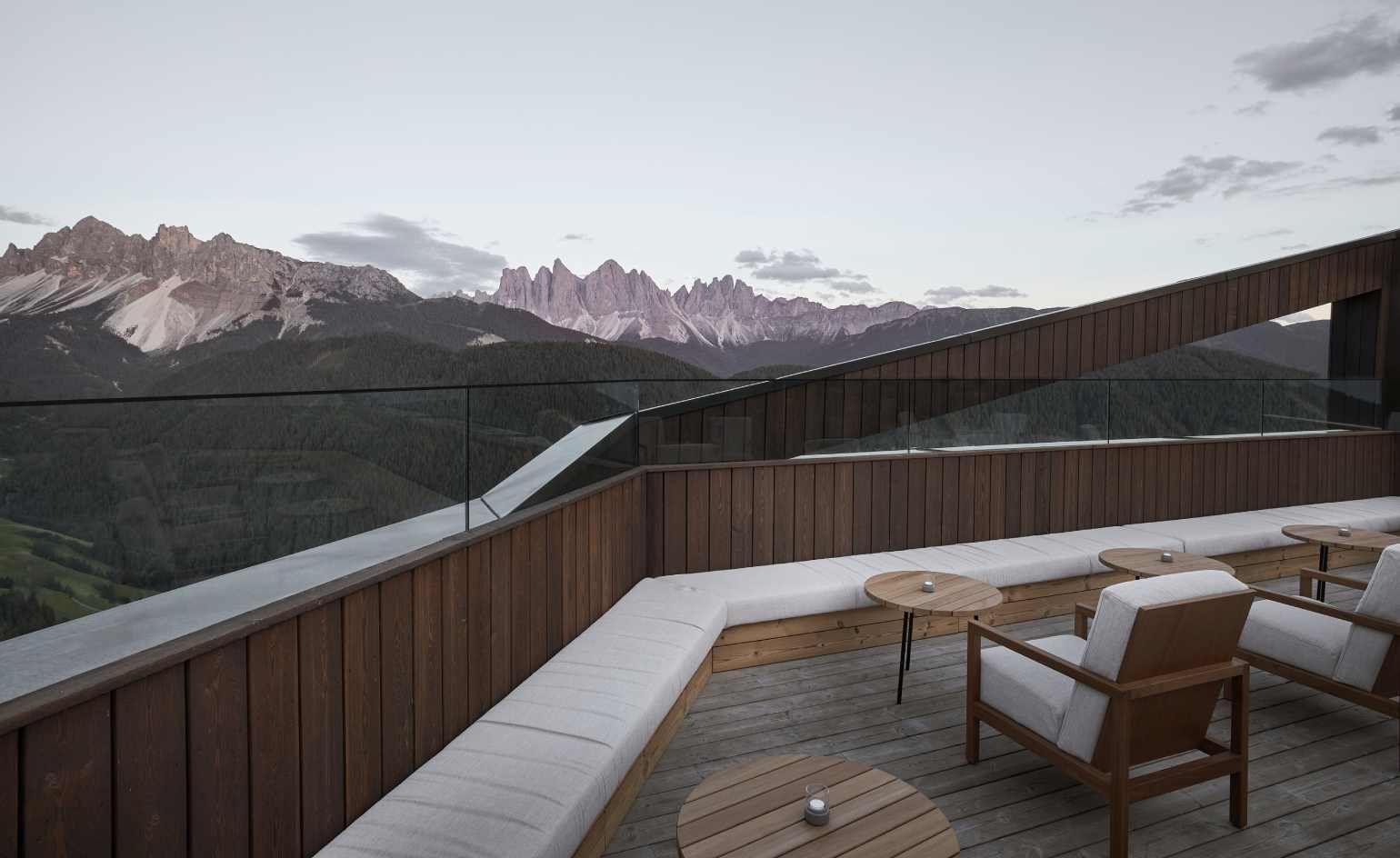
All eyes will be on northern Italy this February when the torch is lit for the 2026 Winter Olympic and Paralympic Games. While Milan will host much of the fanfare, organisers have taken the bold move of scattering events across the jagged peaks of the Dolomites, from Cortina d’Ampezzo to Valtellina. Hoteliers and restaurateurs have seized the moment, debuting sleek new boltholes and reviving heritage stays with ambitious makeovers. The picturesque mountain chain is not just ready, it’s newly polished for its global close-up.
Seek the chic with Milan editor Laura May Todd as your guide, from Aman’s new minimalist alpine retreat to Diesel founder Renzo Rosso’s eclectic-luxe hotel Ancora Cortina, a ‘Cook the Mountain’ tasting menu at a three-Michelin-starred restaurant, and an art museum designed by Mario Botta and Giulio Andreolli. See you there.
|
A day in Ahmedabad – tour the Indian city’s captivating architecture |
|
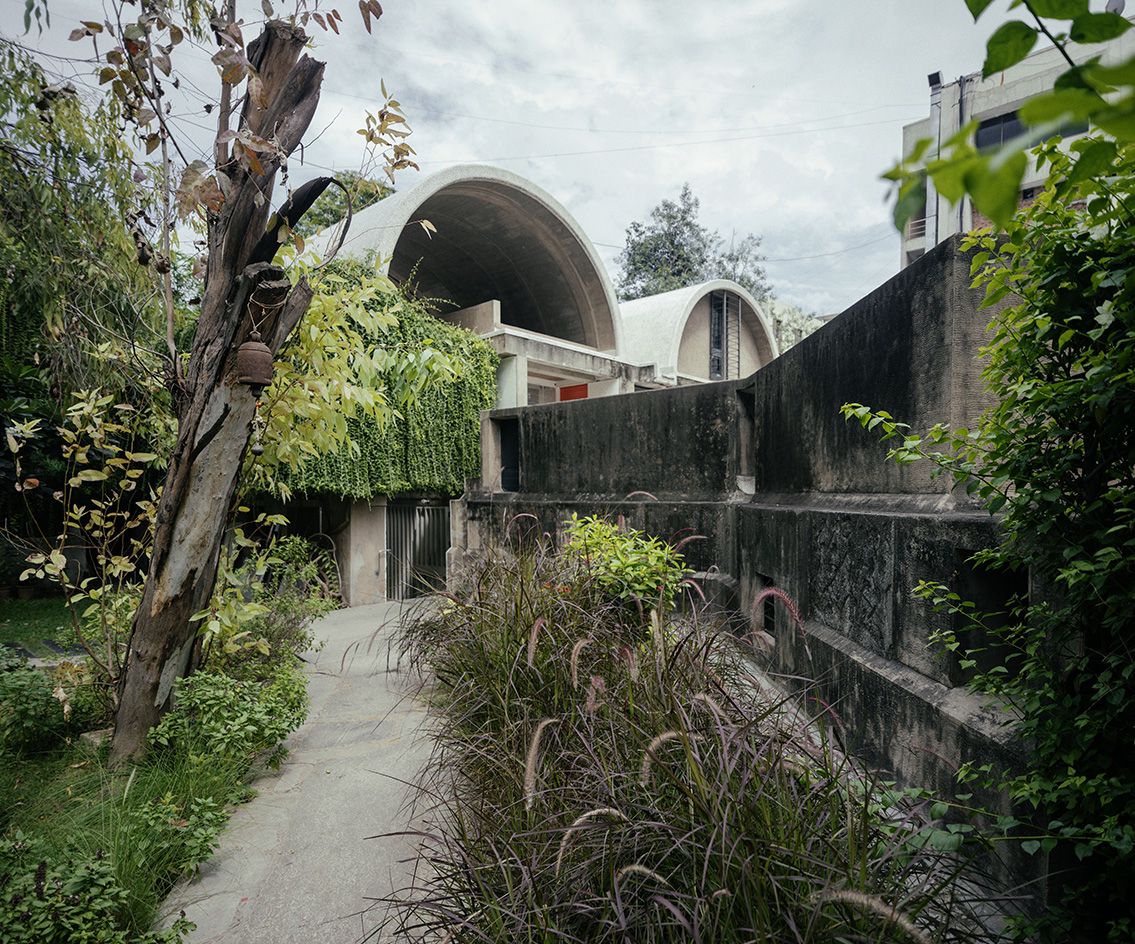
Ahmedabad is indifferent to the camera. It does not curate itself for the visitor; it simply functions. To call it an architectural haven in India is true, but insufficient. It does not offer the pristine, frozen modernist architecture of a textbook but something far more honest. Like many places in India, it is a city of wild juxtaposition.
In Ahmedabad, the intricate stone lattice of a 15th-century mosque engages in a quiet, unselfconscious dialogue with the raw concrete of Le Corbusier. The city’s density and diversity of design are no accident; they are the result of a merchant class that possessed a rare intellectual appetite, inviting visionaries like Louis Kahn, Balkrishna V Doshi, and Charles Correa to build institutions. The city has since metabolised them all. Buildings here are lived-in, weathered, and constantly renegotiated by the people who use them. Architect, writer and photographer Nipun Prabhakar shares his tips for the perfect tour.
|
|
| |