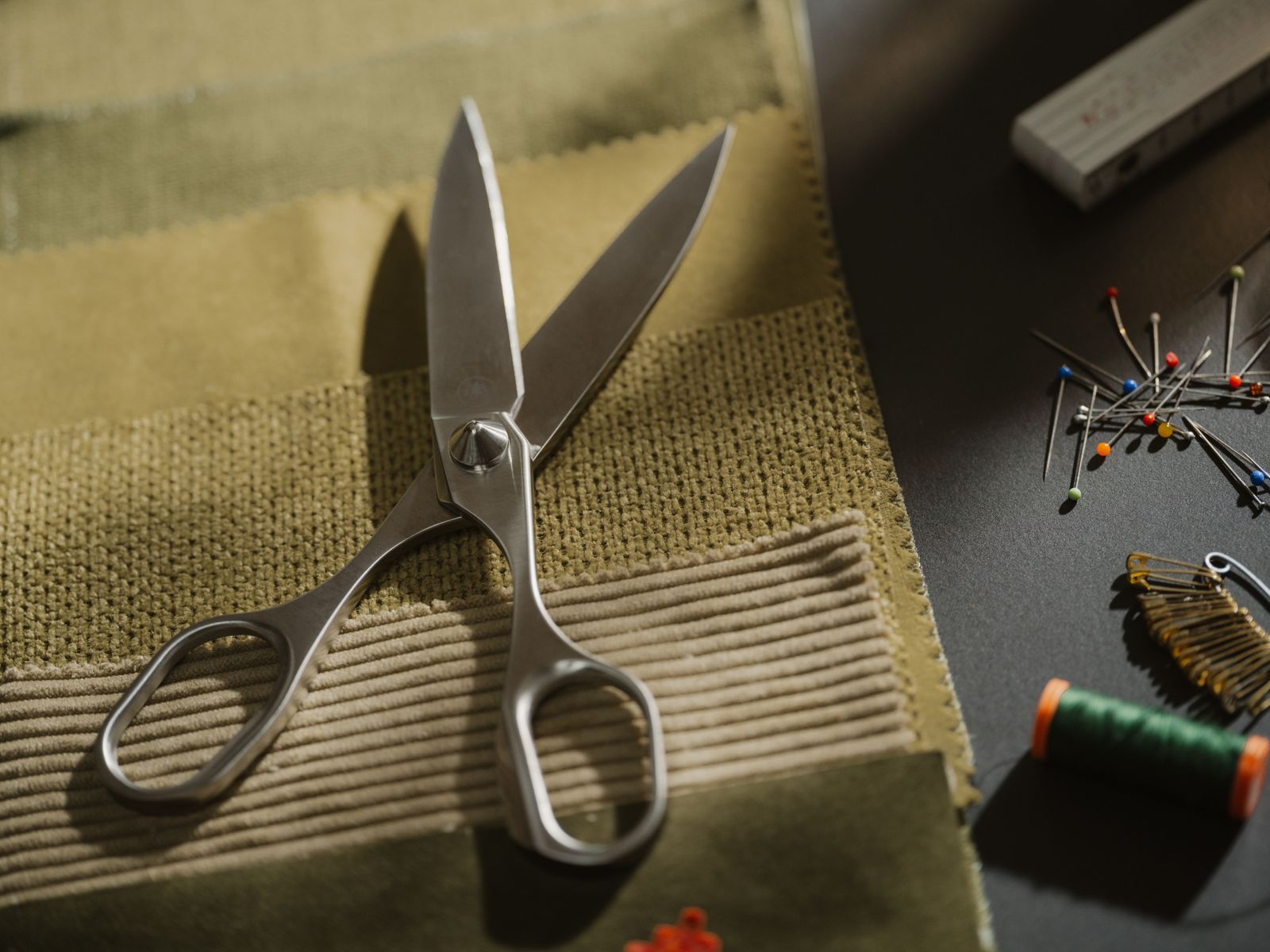
| | Felix Bischof, watches & jewellery editorIn Venice last week, there were, as ever, plates of risotto at Harry’s Bar, boutique windows filled with Codognato memento mori and Fortuny lamps, gondolas and art exhibitions. There was also the Es Devlin-curated Homo Faber (catch it if you can before the end of September), and it was with this display of craftsmanship for a backdrop that Swiss watchmaker Vacheron Constantin unveiled six timepieces whose dials frame the work of leading independent artisans in their fields, from origami to plumasserie, or featherwork. |
 |
 |
|
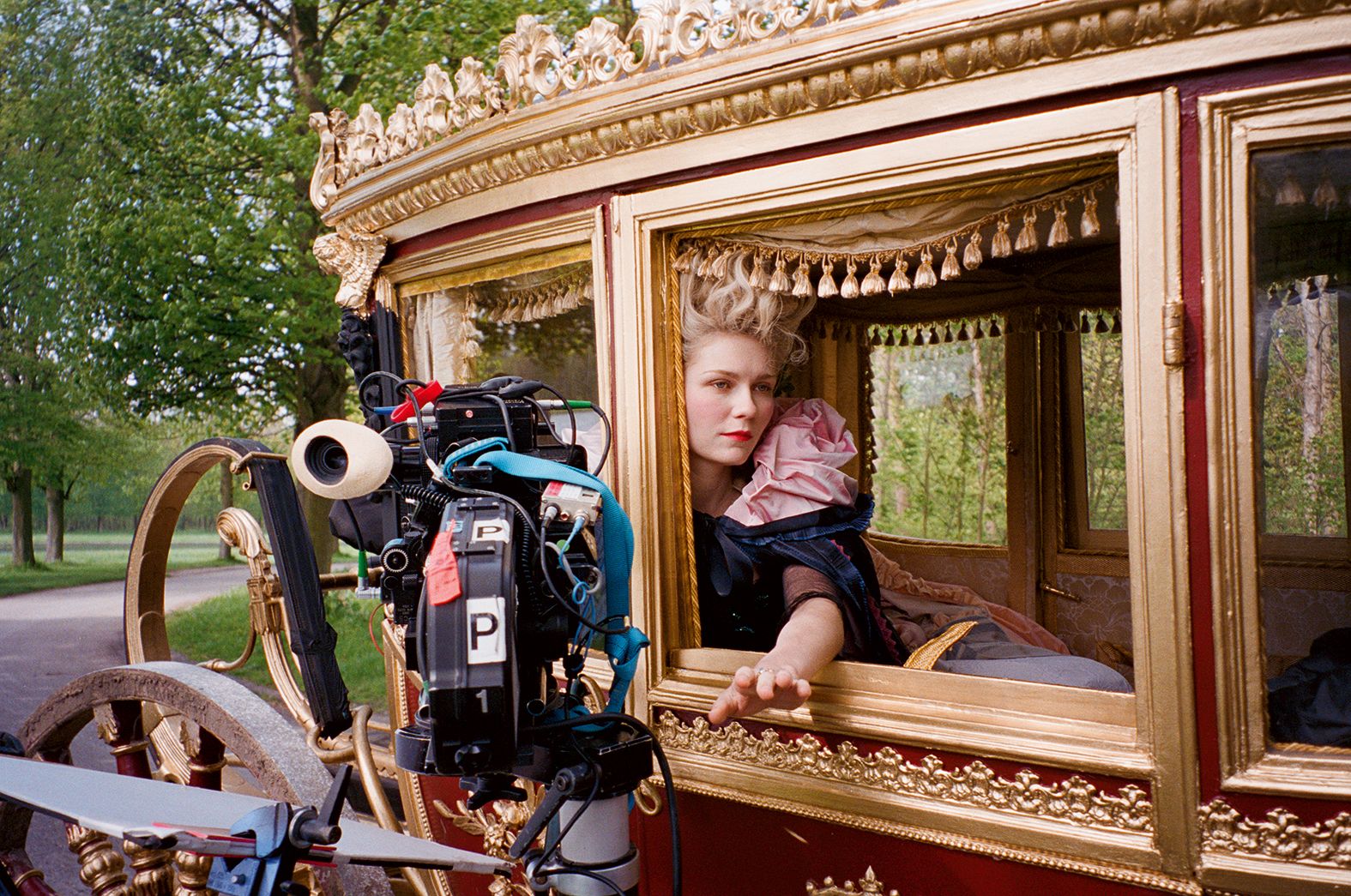
Tiffany & Co, meanwhile, chose the city to unveil the final chapter of its 2026 Blue Book high jewellery collection. Among the group of one-off pieces was a ‘Pineapple’ necklace, a geometric repeat-patterned collier realised in yellow gold, blue sapphires, diamonds and deep blue enamel. It was coming from Venice’s Stendhal syndrome-inducing visual abundance that I began my first week as watches & jewellery editor at Wallpaper*. Materiality has always played an important role across fine and high jewellery design (perfectly illustrated in our recent look at this season’s bold theatricality, pictured), and in some parts of watchmaking. It's a great design, however, that wins the race. This week, we celebrated two timepiece anniversaries: 30 years of Vacheron Constantin’s Overseas collection, and 50 years of the IWC Ingenieur SL, which was dreamt up and sketched by Gérald Genta. Read on for great and intriguing design in all fields, as Weekendpaper* transports you to the resin workshop of Objects of Common Interest in Greece for an exclusive film; inside R & Company’s secret design archive in Brooklyn; and behind the scenes of Joy Division’s new boxset. |
|
 |
|
|
|
 |
|
 |
|
Watch: How Objects of Common Interest works resin wonders |
|
Back in 2022, the founders of award-winning design studio Objects of Common Interest, Eleni Petaloti and Leonidas Trampoukis, based between New York and Greece, launched their resin fabrication studio in Piraeus – a physical extension of their commitment to ‘artisanal craftsmanship and human-centred design’ – thanks to a series of unplanned events.
Master craftsman and artisan Ovidiu Colea had maintained his own resin workshop in Long Island City, New York, for years, and a chance meeting with Petaloti inspired an interesting possibility. Looking to retire, Colea offered to pass on all his machinery to Objects of Common Interest and relocate it to Piraeus, to be managed by the two designers and their team. Fuelled by their passion for experimentation, making, and pushing material boundaries, they jumped at the opportunity.
‘Resin is a very demanding material because it needs precision and needs the context to be able to be cured properly,’ says Trampoukis of its attraction. ‘Temperature, heat, dust all affect its quality. So there is a certain type of predictability in how you can achieve a perfect result, controlling the environment and controlling the circumstances. But then there is this magic of randomness and the magic of surprise that comes when you open the mould.’
Watch our film, directed by head of video Sebastian Jordahn, to delve into Objects of Common Interest’s process.
|
|
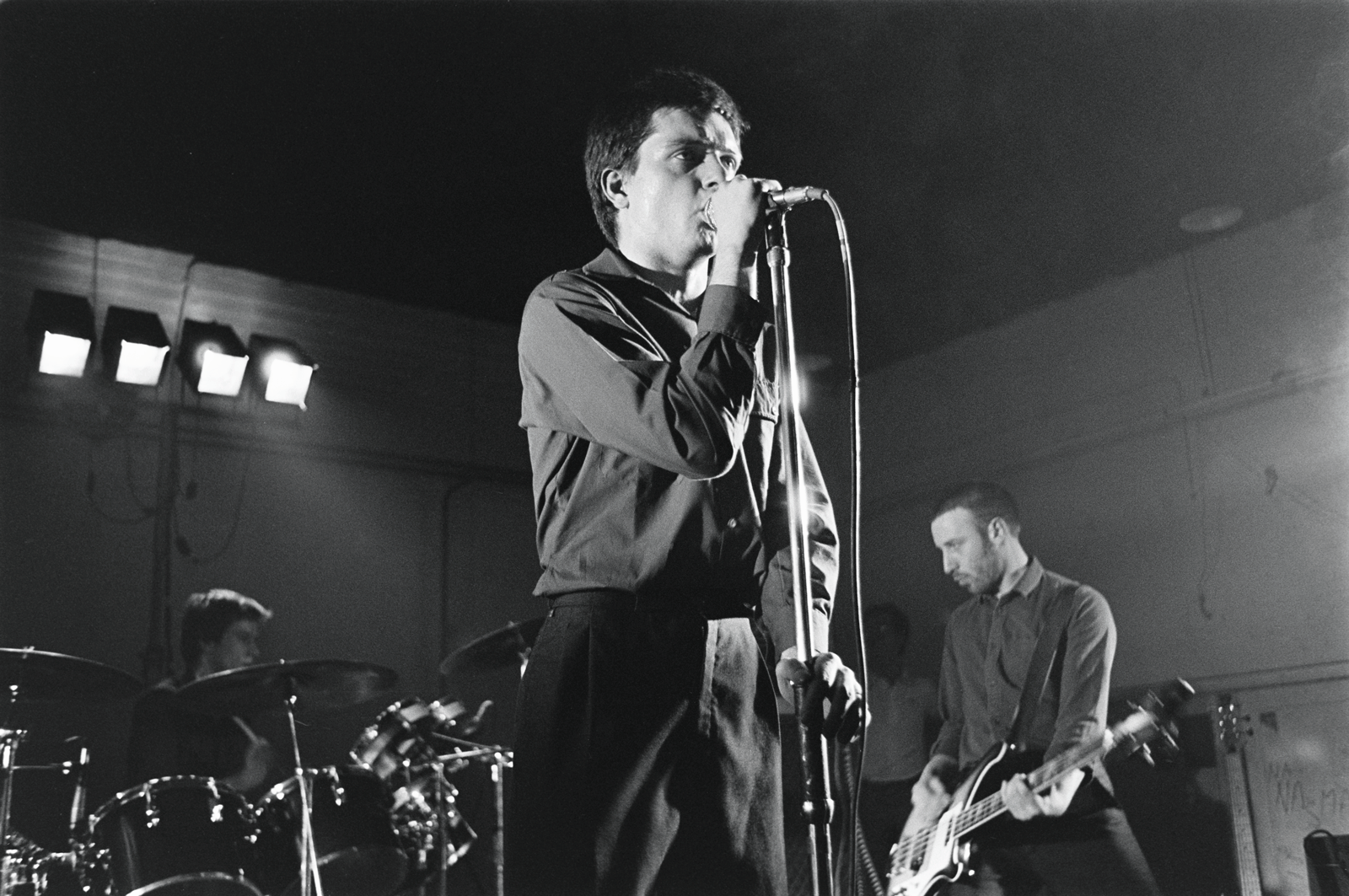
Joy Division’s new boxset and the visual iconography that helped build the band |
|
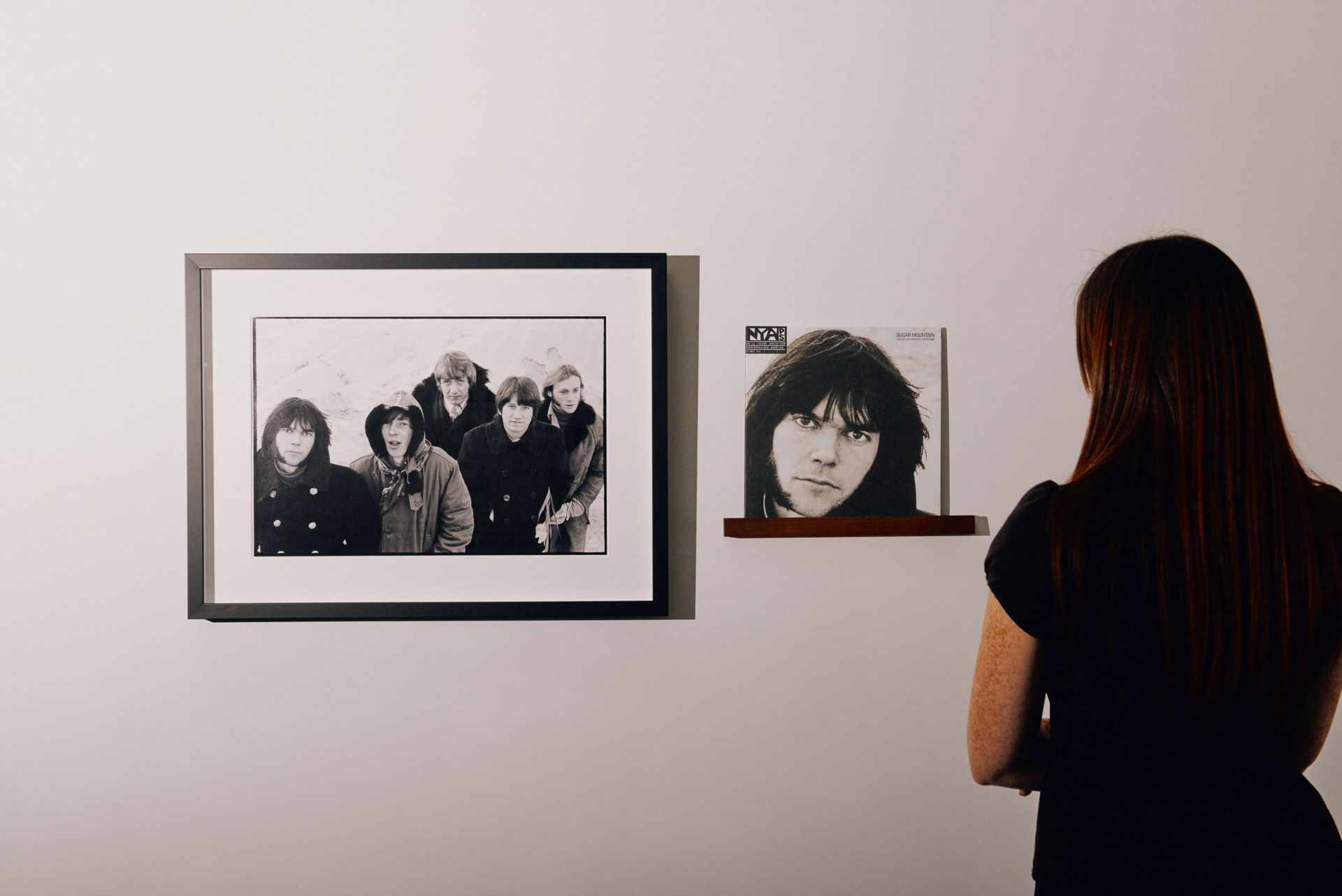
It's a funny thing, Peter ‘Hooky’ Hook tells Craig McLean down the line from a California hotel room, ‘to still relish something that you did under very difficult circumstances’.
The bass player – once of Joy Division, then of New Order, now of The Light, the band he formed to play both those previous bands’ songs – is talking about Eternal (Live). It’s a lavish new Joy Division boxset comprising 14 CDs, documenting 16 gigs, and two DVDs of filmed performances. The audio, video and accompanying photography and text vividly capture the short, intense onstage existence of the band, their lifespan cut short after the 1980 death by suicide, aged 23, of Ian Curtis, the frontman who struggled with depression, severe epilepsy and the side-effects of his medication.
With the boxset’s spruced-up, 2026-level sound mastered at Abbey Road Studios, the grotty, sticky pub and club venues of 1979 and 1980 never felt more present. And with artful updates on Joy Division’s visual language, their heritage and iconography have rarely felt more alive. Here, Hook, drummer Stephen Morris, art director Peter Saville, and photographer Anton Corbijn reflect on the imagery that helped make Joy Division.
|
|
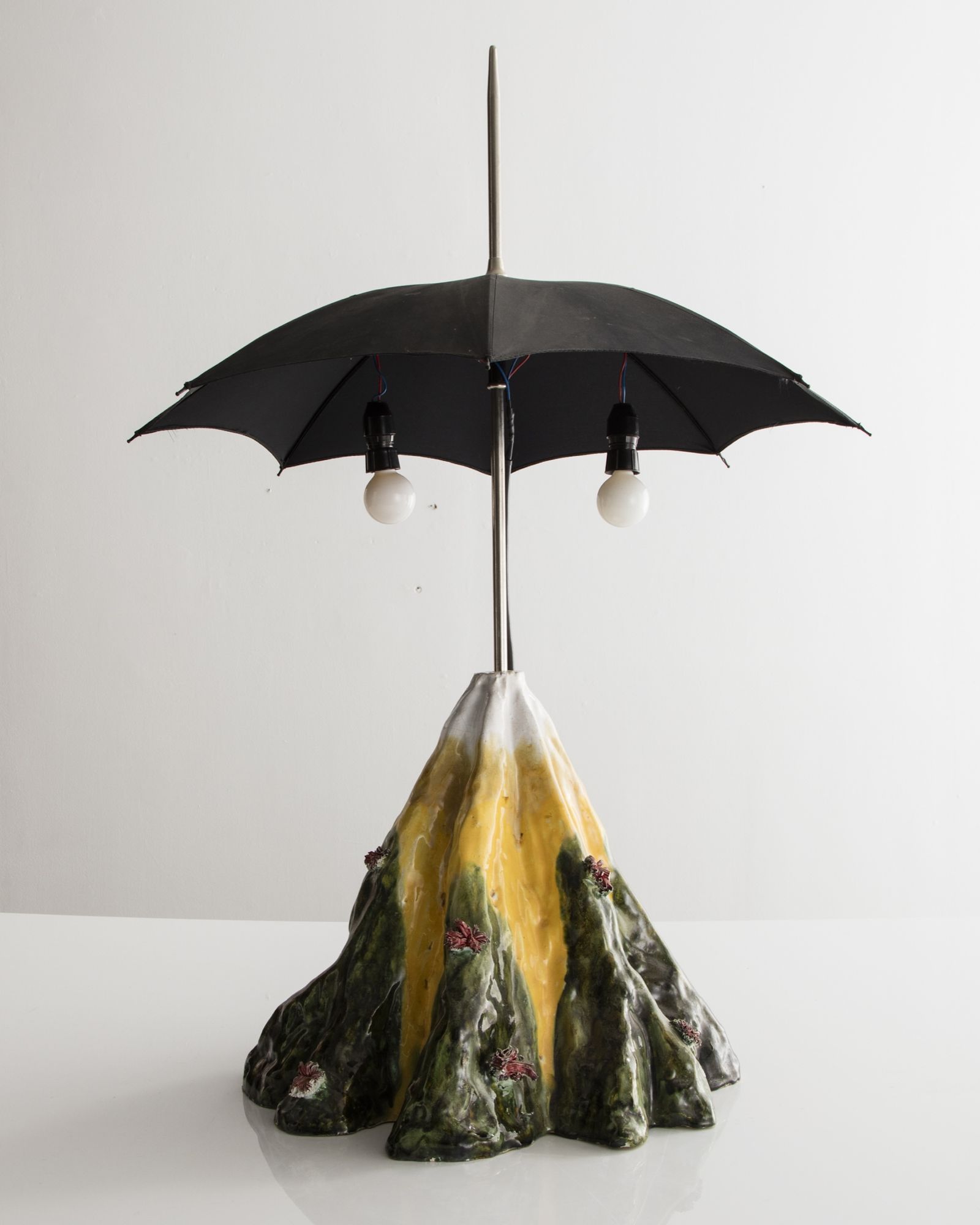
Design finds for a rainy day as R & Company opens its Brooklyn archive |
|
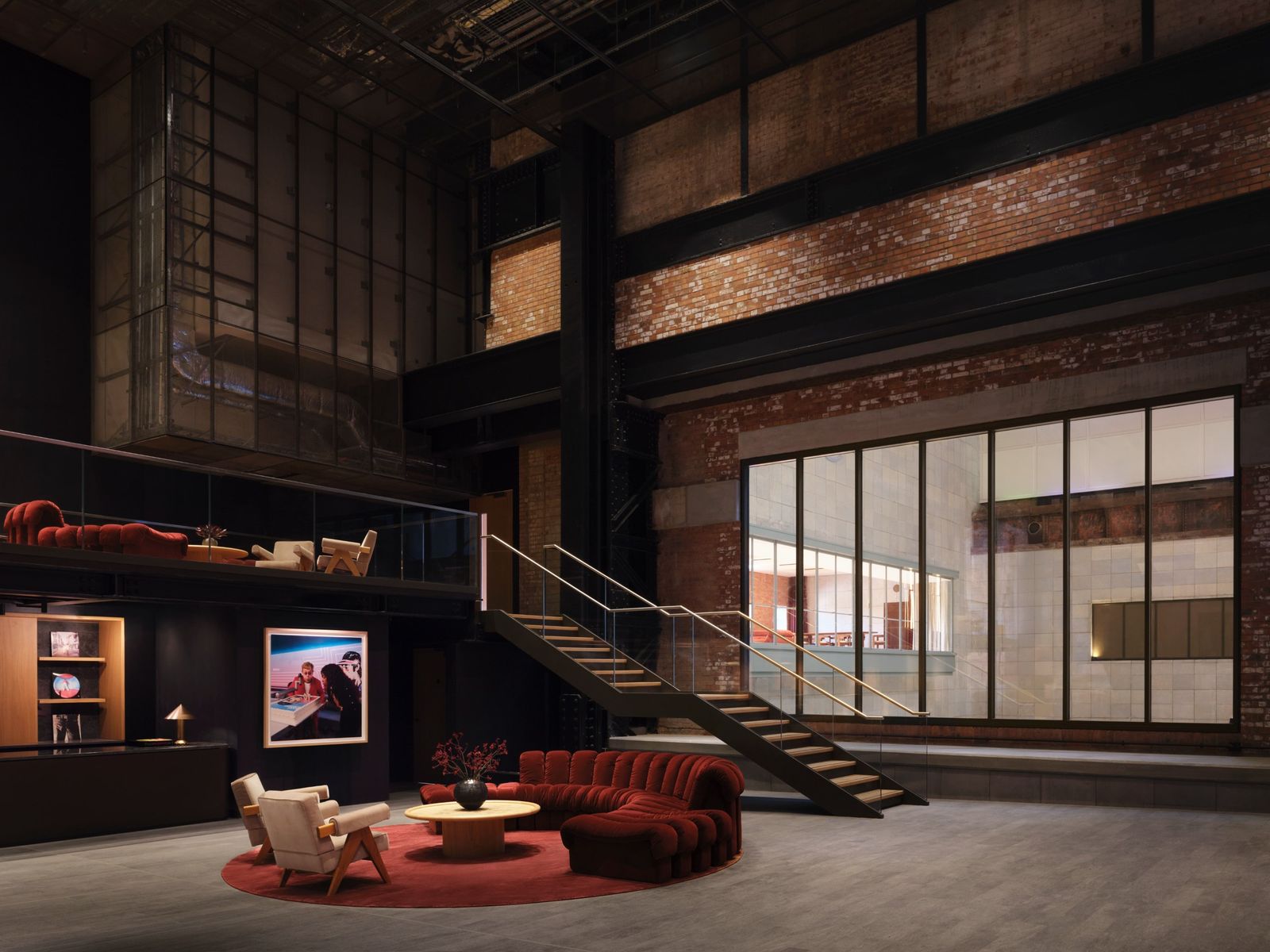
New York has no shortage of venues to view great 20th- and 21st-century design – the Cooper Hewitt, the Brooklyn Museum, the Met and the Museum of Arts and Design, to name just a few. Less common, though, are places to view rarities, prototypes and other design B-sides in an archive-like atmosphere, outside the constraints of an exhibition thesis or a permanent collection. The co-founders of R & Company – one of America’s most esteemed collectible design galleries – are looking to change that by opening their long-time storage facility, Building 86, to the public for the first time.
The 16,000 sq ft warehouse, located in a former machine shop in the Brooklyn Navy Yard, housed the gallery’s permanent collection, designer archives, photo studio and administrative spaces for the better part of a decade. But co-founders Zesty Meyers and Evan Snyderman recognised an opportunity: ‘The idea of being able to share 30 years of collecting with our clientele seemed like a really great idea,’ says Snyderman. ‘Everything in this building has a story.’
Anna Fixsen took a tour, as Snyderman and Meyers shared their ten favourite finds.
|
|
|
| |