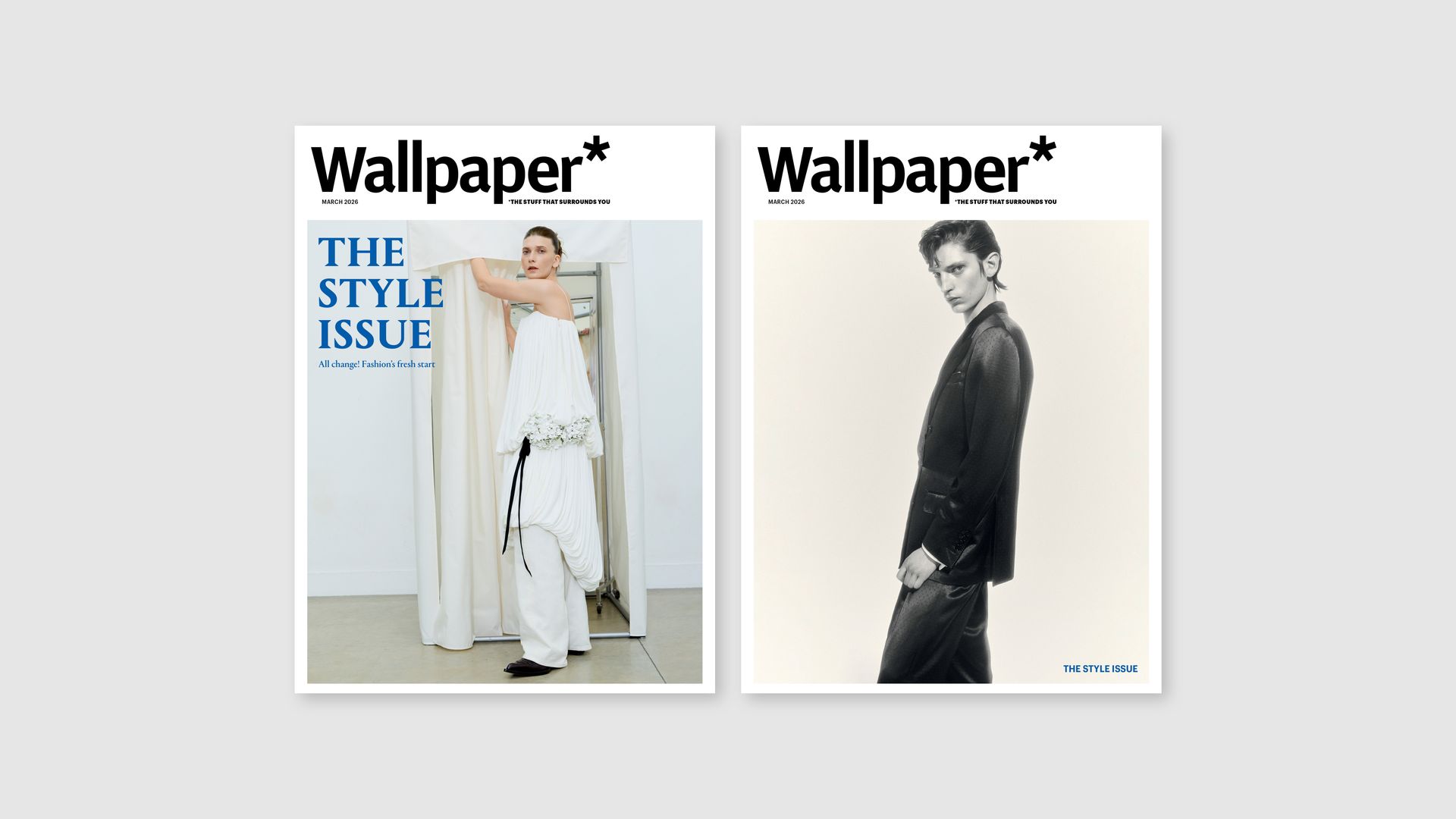
| | Bill Prince, editor-in-chiefAll change! It could serve as a mantra for the world right now, but, for the March 2026 Style Issue, which hit newsstands this week, we use it to describe the season’s unprecedented reordering of fashion’s high command. The S/S 2026 collections saw debuts by no fewer than 15 creative directors, giving our fashion team cause to focus on the idea of the ‘clean slate’. |
 |
 |
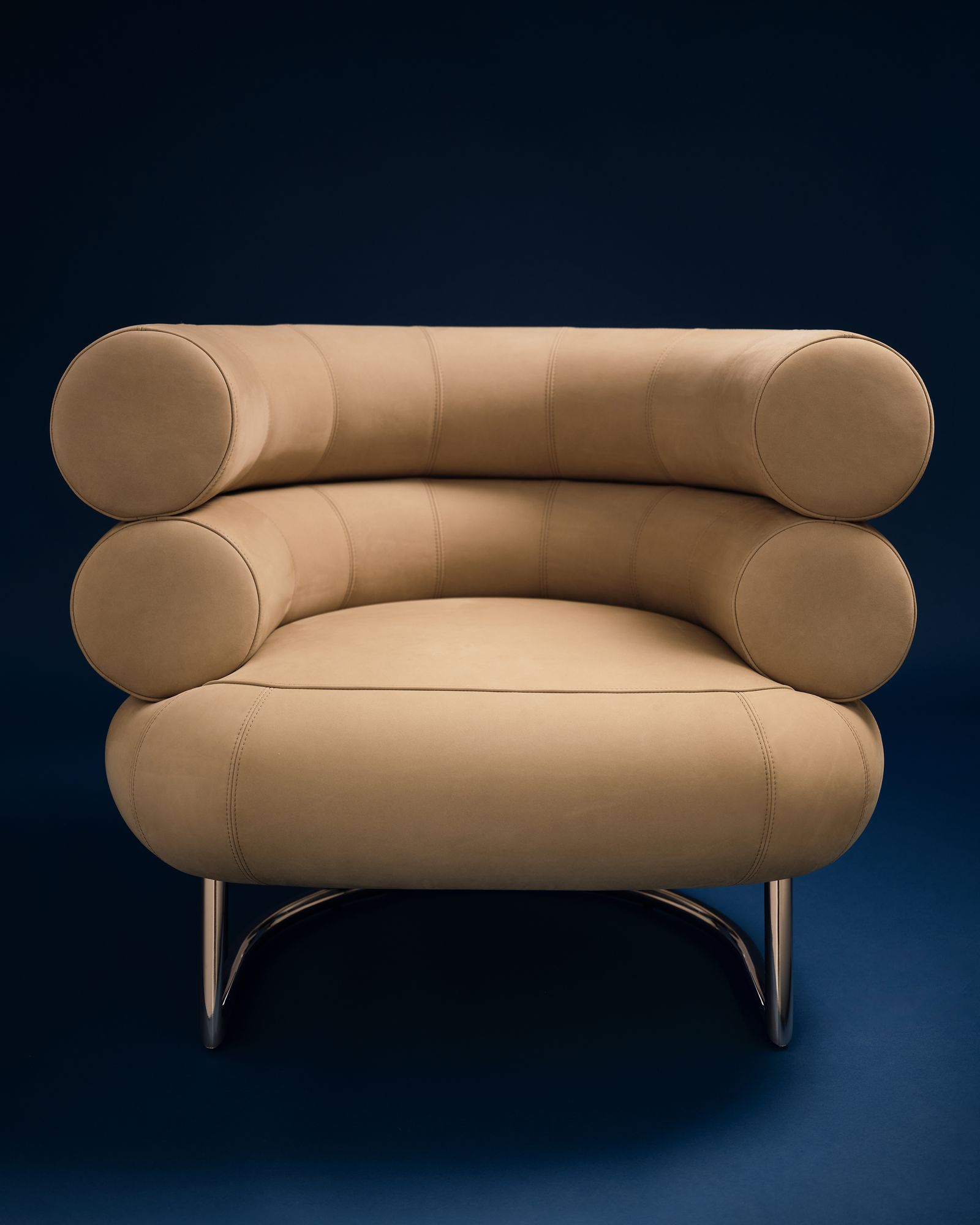
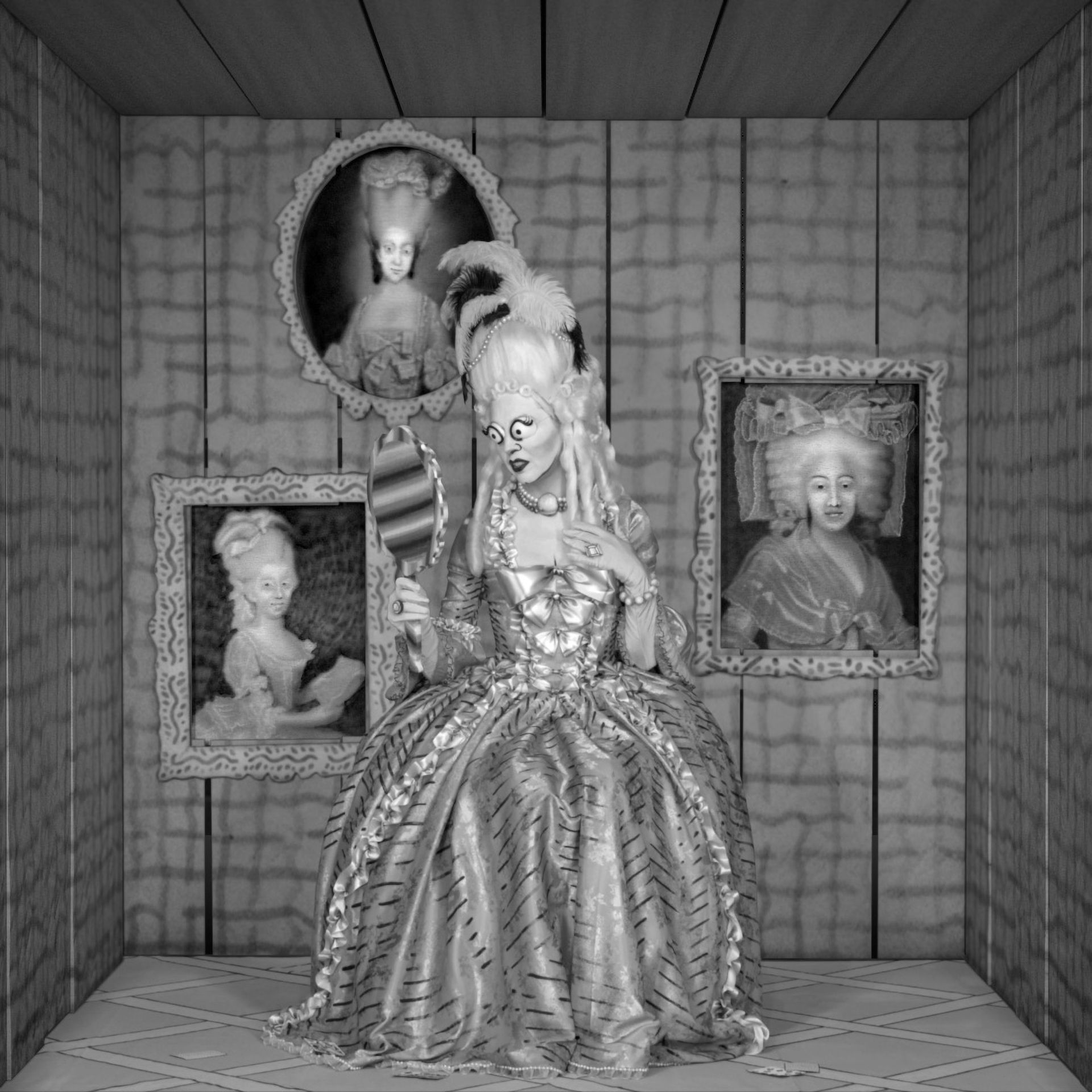
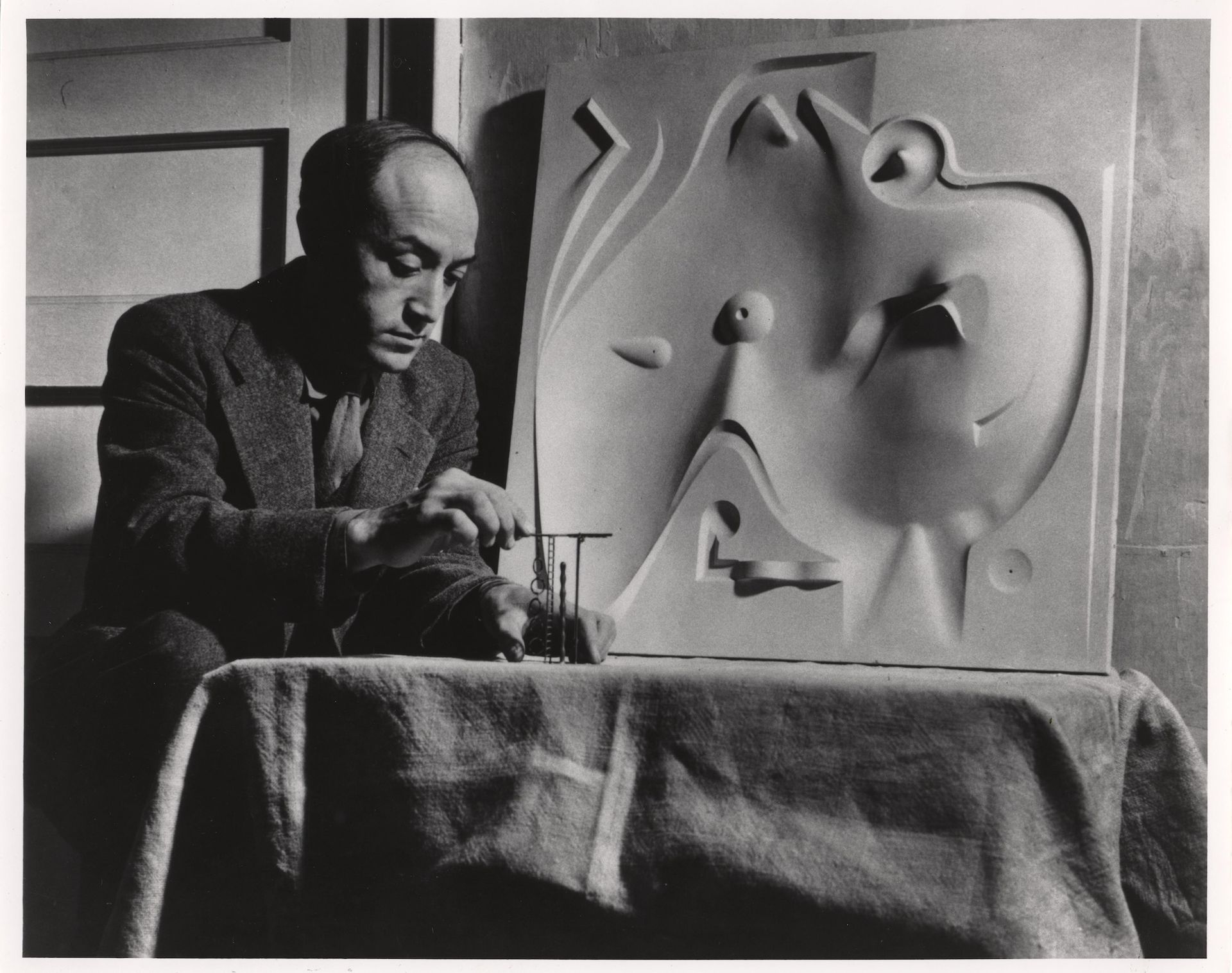
To this end – and shared with you here for a flavour of the issue – Hannah Tindle explores fashion’s ‘great reset’, and why the new class of creative directors is looking to the past to shape the future. We profile, in particular, Glenn Martens, who takes over at Maison Margiela, one of fashion’s most influential houses, and tells Jack Moss that his ready-to-wear really is for wearing. Also in Weekendpaper*, we embrace a curvaceous design icon on its 100th birthday; immerse ourselves in Isamu Noguchi’s New York; reconsider Marie Antoinette through a satirical art exhibition in London; and, it being almost that time in February, propose a little shopping for design lovers. |
Fashion’s ‘great reset’ and what it means for your spring wardrobe |
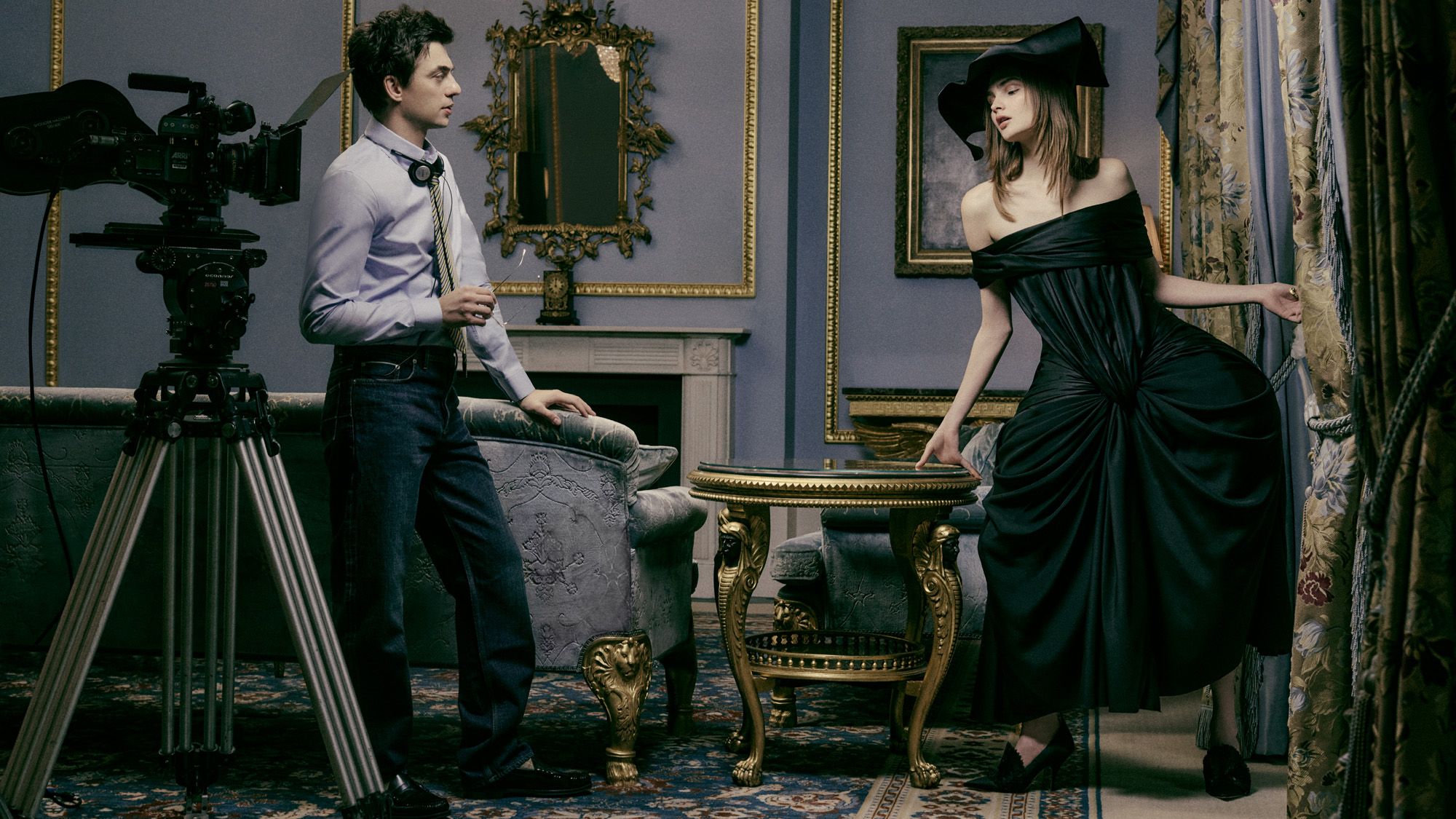
When the fashion industry revealed its collections for the S/S 2026 season, the spotlight fell on 15 creative directors. After many months of abrupt departures, sudden arrivals, judicious role-swapping and new placements at the major houses – from Dior and Chanel to Proenza Schouler and Jil Sander – those in question unveiled debut collections to an audience that had eagerly coined this unprecedented shift as ‘fashion’s great reset’. But every new beginning comes from another beginning’s end, as the saying goes. And across these debuts, it was the past that would define the future.
However, it was neither sycophantic nostalgia nor a simple rehashing of familiar codes that swept the runways. Here, Hannah Tindle unpacks fashion’s fresh start, as our photo shoot showcases some of the looks of the spring season.
|
This leafy new pavilion in India has an important remit |
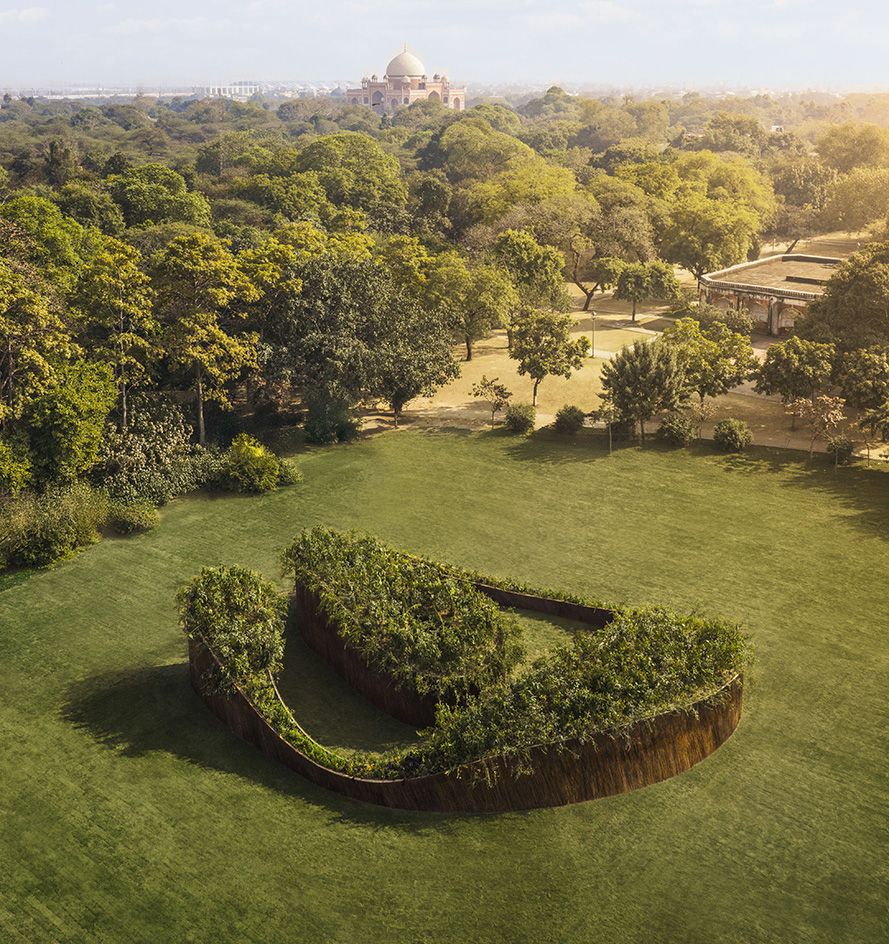
With a mandate to bring nature and humans closer together, an Indian ecological and creative arts initiative has chosen an architectural pavilion to highlight its mission. Aranyani, founded in 2024 by conservation scientist and creative director Tara Lal, aims to ‘deepen public connection to nature’ in a bid to encourage more discussion – and action – around ecological restoration. ‘Architecture felt like a natural extension of [our] intention. It allows restoration science to become something you can physically enter,’ Lal tells Ellie Stathaki.
The Aranyani Pavilion, newly opened in New Delhi’s Sunder Nursery gardens, is the first of what will be an annual commission. It was designed by emerging architecture studio T__M.space as ‘a walk-through experience shaped by sacred geometry, material memory, and the dialogue between invasive and native species’. Take a tour…
|
Glenn Martens on keeping ready-to-wear real at Maison Margiela |
|
Maison Margiela – or Maison Martin Margiela, as it was first founded by its namesake designer and his business partner Jenny Meirens – has never been about perfection. Martin Margiela’s most memorable designs were those that had been torn apart at their seams or turned inside out; daubed with paint or constructed from disparate found objects, from broken plates to old butcher’s aprons.
At the house’s ready-to-wear debut of creative director Glenn Martens last October in Paris, the set included a 61-piece orchestra – a merry band of children, who entered the white-swathed space clutching instruments and clad in ill-fitting suits, some so large that the hemlines dragged along the ground like the train of a dress. They played with gusto as models, lips prised open with metal mouthpieces, began to parade around the space. The sound was deliriously off-key and out of time.
‘I wanted to do something democratic,’ Martens tells Jack Moss, noting that, when it comes to ready-to-wear, he wants to do something real – ‘never precious’. ‘I want people to wear Margiela,’ he adds. ‘Even if [in the show] there’s a bit of a set, or hair and make-up, at its core it’s about reality.’
|
|
|
| |