| | Rosa Bertoli, global design director
On a family road trip through Europe, my husband took the reins of the journey’s cultural programming. My husband is a lifelong petrolhead, so I shouldn’t have been surprised that his itinerary touched upon some key automotive landmarks on our way from London to Udine, Italy. First was a sun-drenched stop in France at the former Reims-Gueux motorsport circuit, which has been suspended in time and whose pit boxes and stands feature well-maintained original graphics.
|
 |
 |
|
Next stop was the Mercedes-Benz Museum, in Stuttgart, Germany, and our grand tour was finished off in Munich, where I also had the pleasure to visit the newly-opened The Dean Munich, designed by Tatjana Von Stein, and dine at its Japanese restaurant, Ibasho. When in Munich, it was unthinkable not to pop by BMW Welt, where all the 10 BMW Art Cars (from the likes of Alexander Calder, who did the first one in 1975, and Julie Mehretu, who created the artwork for the 2025 car) were displayed together for the first time in an exhibition that celebrates the programme’s five decades. It was particularly great to see the late John Baldessari’s car from the series, for which I attended the original launch in Miami in 2016 – ‘my fastest artwork’, he told us at the time. Speaking of life in the fast lane, Wallpaper* had its own share of automotive coverage this week, from highlights of Monterey Car Week in California, to a review of the new Mercedes-Maybach GLS, a luxury SUV that prioritises performance, technology and craftsmanship. Read on for even more speed reads in this edition of Weekendpaper*. |
|
 |
|
|
|
 |
|
 |
|
America's best architecture firms aren't where you'd think |
|
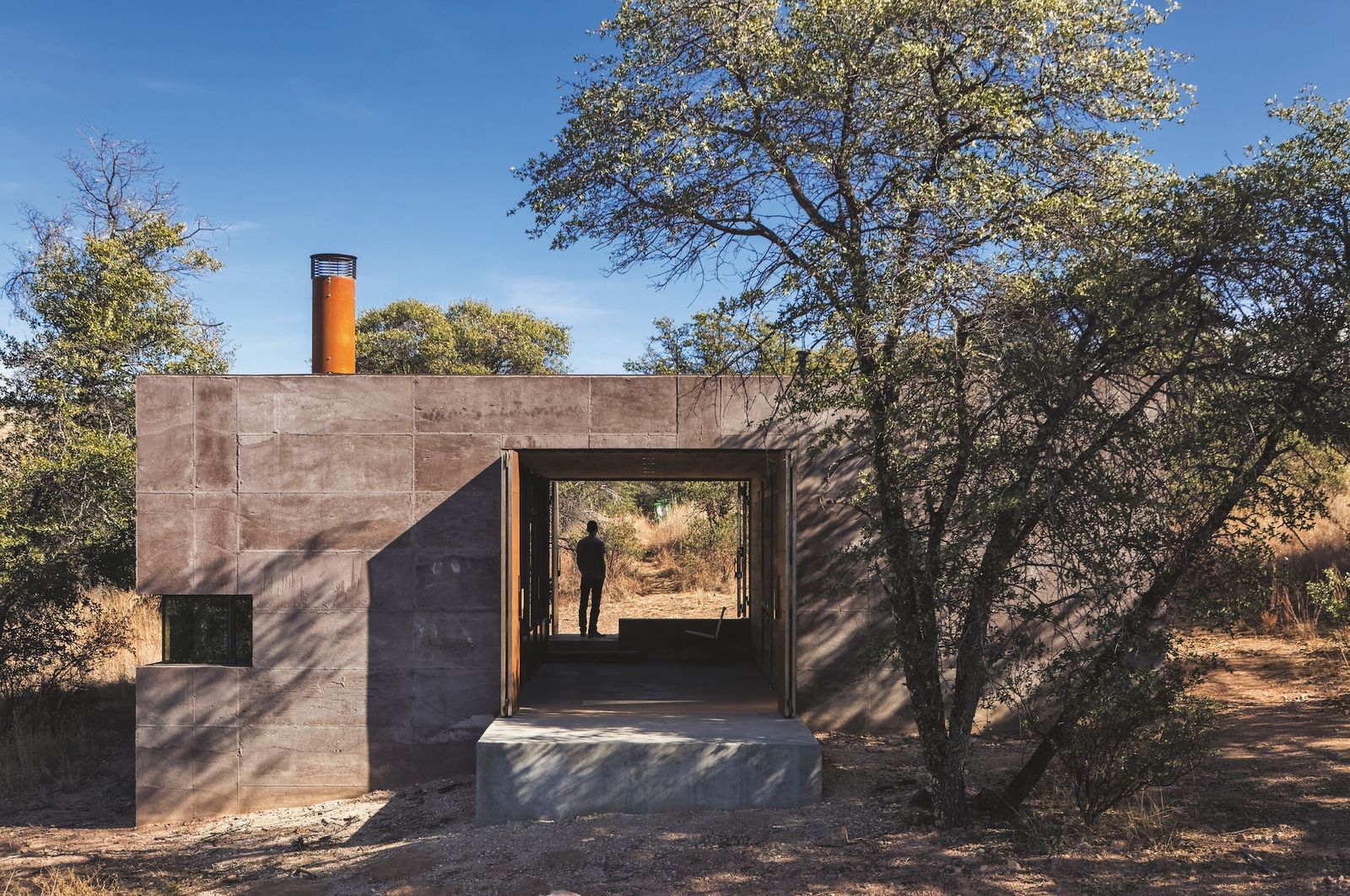
According to a 2024 report from the American Institute of Architects (AIA), almost a quarter of all US architecture firms are concentrated in New York, Los Angeles and Chicago. And while that number represents a minority of practices, there’s no denying that work coming out of those offices – ‘spiralling museums’ and ‘dizzying opera houses,’ per former AIA CEO Robert Ivy – tends to hog most of the limelight. A recent book encourages architecture fans to look beyond these predictable centres of gravity. Out There, New Architecture Across America, a collaboration between Ivy, noted editor and critic Cathleen McGuigan and seasoned educator Peter MacKeith, spotlights 50 oft-overlooked practices positively impacting small towns and regional capitals across the US. These tenacious studios find clever ways to address the specific historical, environmental and material resource conditions of their surroundings; they’re united by a commitment to addressing issues unique to their regions, be it a housing crisis or social inequity. Adrian Madlener spotlights firms practicing in a small town near you.
|
|
The mighty Mercedes-Maybach GLS doubles down on luxury |
|
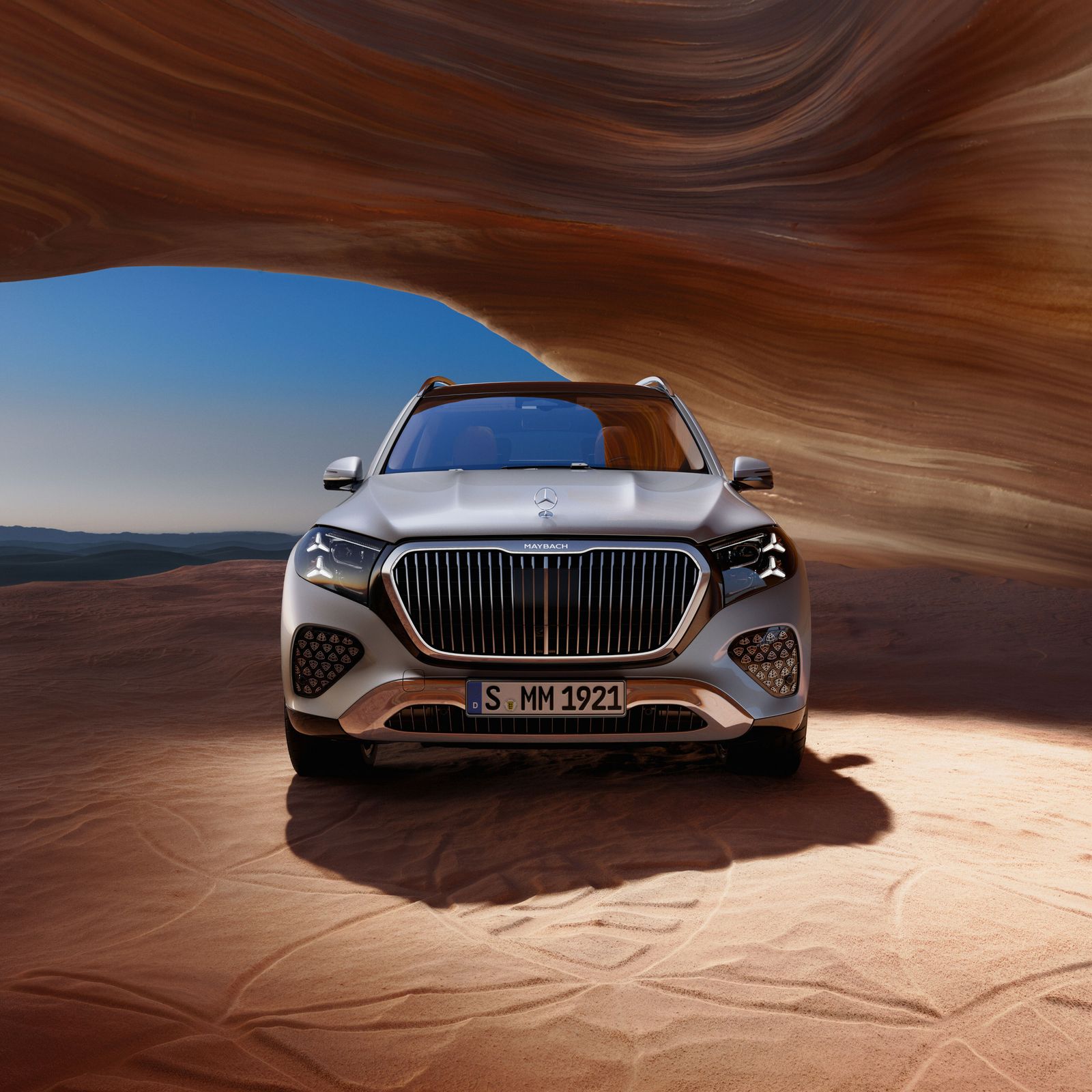
‘Timeless luxury always begins with proportion, quality and craftsmanship,’ says head of interior design at Mercedes-Benz, Hartmut Sinkwitz. Since its debut in 2019, the Mercedes-Maybach GLS has shown how these principles can be applied to SUVs. Its latest iteration refines this formula, combining meticulous craftsmanship with technical precision in a way that is unmistakably Maybach. 'The guiding idea behind the new Mercedes-Maybach GLS was to further elevate its character as a private sanctuary while strengthening its visual presence’, states head of exterior design at Mercedes-Benz, Robert Lesnik. This ambition can be seen through the vehicle’s commanding silhouette, 23-inch forged wheels and newly designed headlights. That same level of precision and care carries through to the arrival experience. As you open the doors of the new Mercedes-Maybach GLS, running boards deploy in under a second. This creates an immediate sense of occasion whenever you enter the vehicle. At night, a discreet LED strip highlights these elements, as the Maybach emblem is cleverly projected onto the ground. Buckle up as Shawn Adams explores the rest of this luxurious SUV.
|
|
The home of Donald Judd's most ambitious work is about to be restored in Marfa, Texas |
|
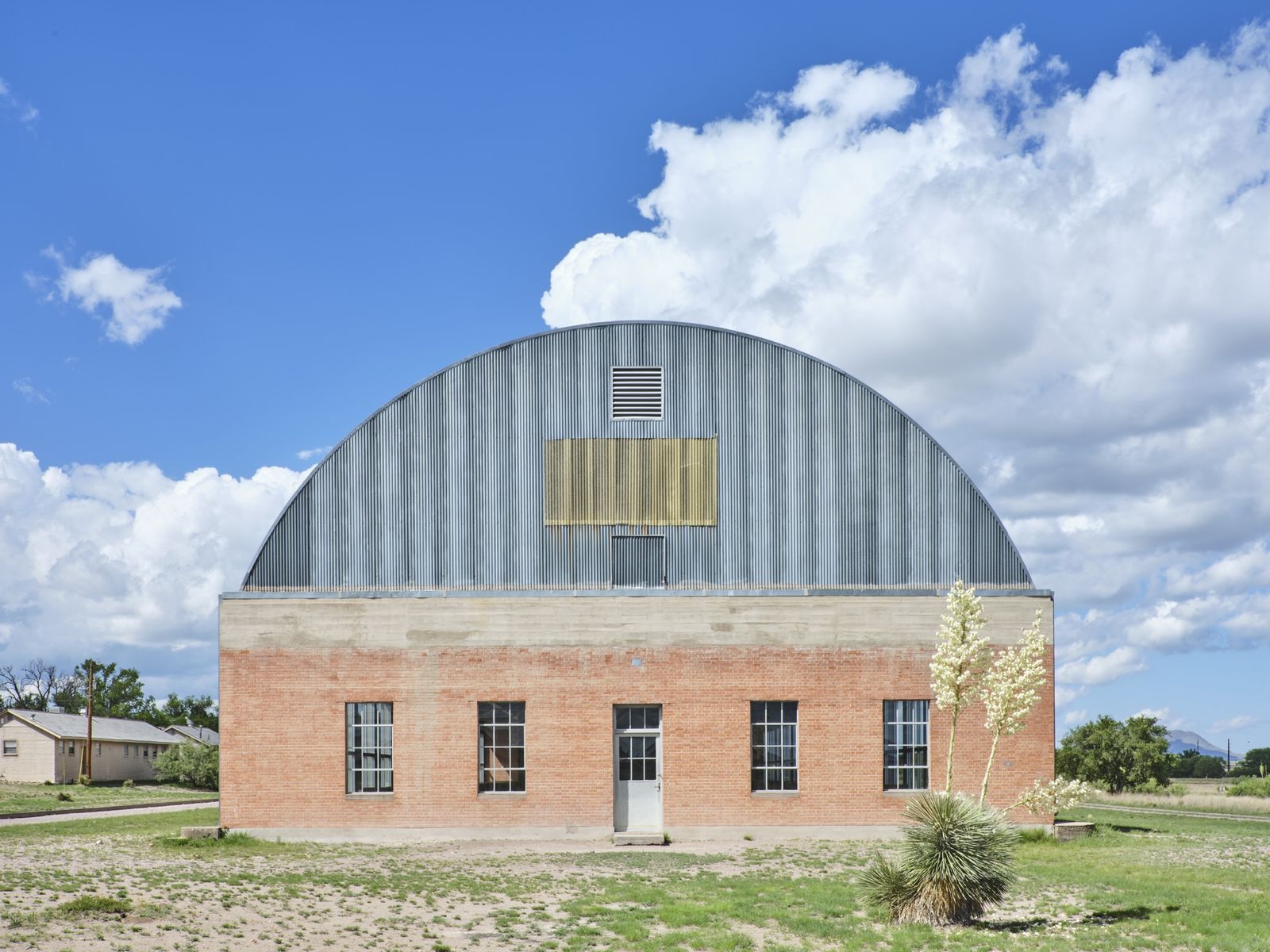
When Donald Judd purchased an abandoned military base outside Marfa, Texas in the late 1970s, the artist saw beyond the site’s scarred landscape and trash-strewn buildings; he saw a place where art, architecture and the land could exist in perfect balance. Judd identified a pair of long sheds, originally used to house trucks and artillery, to transform into twin galleries that would house an ambitious site-specific work, 100 untitled works in mill aluminum, a meditative installation of gleaming aluminum boxes. Judd encountered a problem, though: the buildings leaked. When standard patches didn’t work, Judd, who also designed furniture and buildings, rectified the issue by capping the historic structures with a secondary arched roof made from corrugated steel. Forty years on, Judd’s Chinati Foundation is one of the most important sites for 20th-century art in the US, a fact that helped transform the sleepy desert town into a global art mecca. But the artillery shed roofs still leaked. ‘In a massive Texas rainstorm, we will sometimes put out 100 buckets inside of the building,’ says Stephen Martin, the foundation’s director of preservation and planning. Circumstances are about to change for the artillery sheds. Following a capital campaign, the Chinati Foundation has announced that it will be delicately restoring the two buildings to suit Judd’s artistic vision while preserving them for the future. Anna Fixsen checks in with the design team. |
|
|
| |