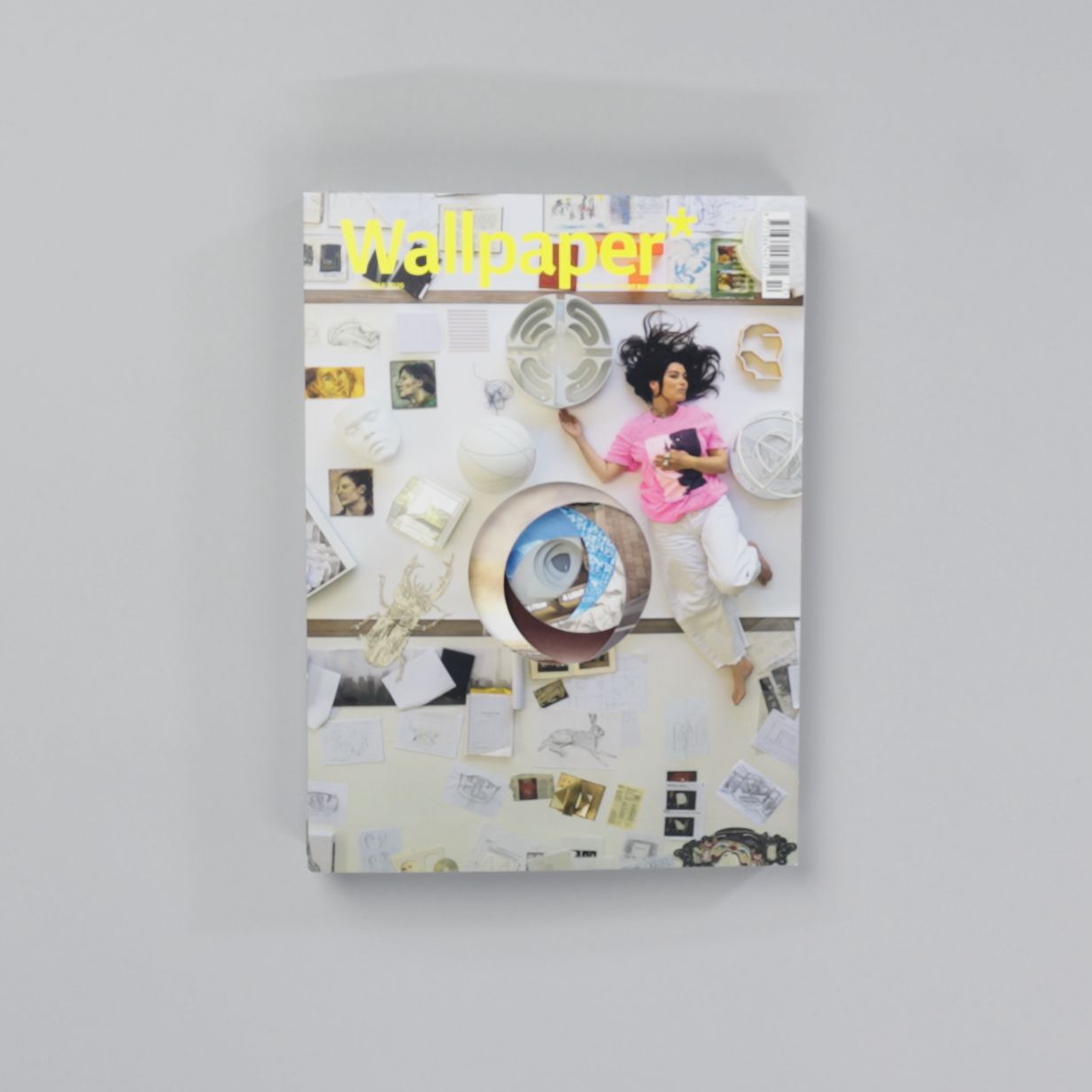
| | Rosa Bertoli, global design directorOur week started in Milan, where we gathered a couple of hundred of our closest collaborators and friends in the city to mark our 30th anniversary. Taking over the 16th floor of the 1958, BBPR-designed Torre Velasca at sunset, we toasted the past three decades, together with our host and Italian partner Paolo Cesana, and celebrated our October issue, its three Guest Editors, and the 30 cakes our creative friends made for the occasion. Great views (captured here by photographer Claudia Frizzera), great friends and great cocktails: an excellent opportunity to pause and take in the milestone. |
 |
 |
|
|
|
 |
|
 |
|
Inside the Zaha Hadid Foundation and the architect’s remarkable archive |
|
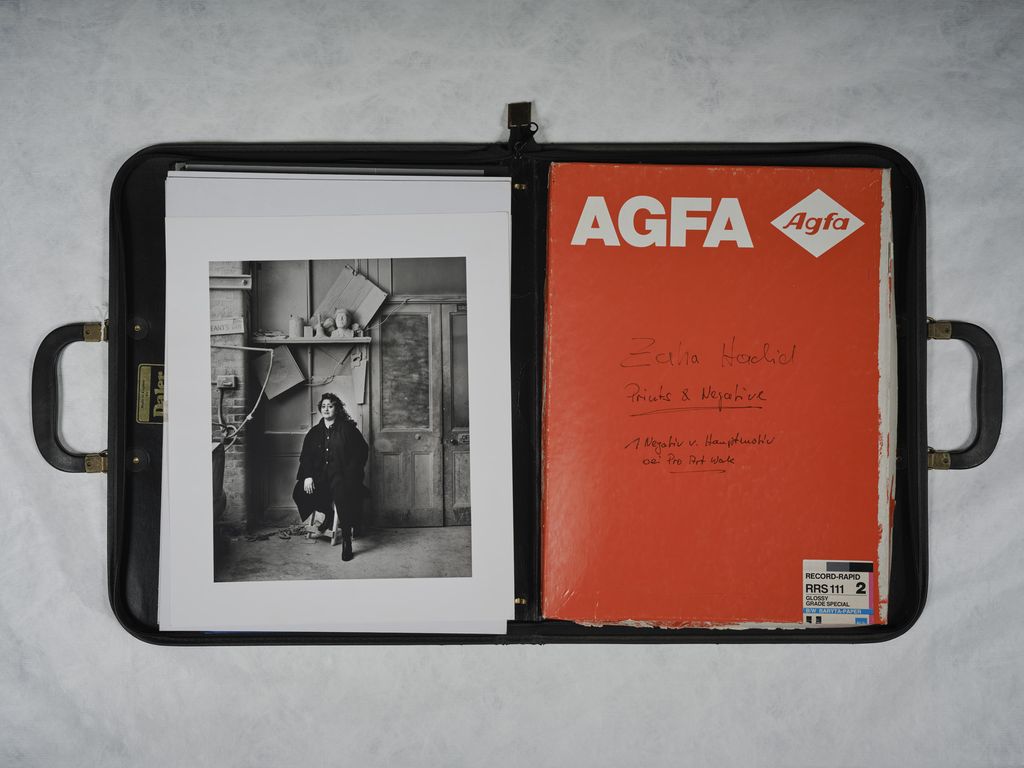
Zaha Hadid’s sudden death at the age of 65, in 2016, was a cruel blow. Having fought so hard for her ideas, she was at the height of her career and had so much more to do. An extraordinary architect and individual, Hadid’s personality and professional output are hard to disentangle, and nowhere is this more evident than in her vast archive of drawings, models, furniture, clothing and design tools.
‘Every detail was important to her, from the clothes she wore to how she lived at home and the office. She never threw anything away. The archive preserves the evidence of Zaha’s creative thinking,’ says ZHA’s head of exhibitions and archive Manon Janssens.
The archive resides with the Zaha Hadid Foundation (ZHF), which the architect set up in 2013, aiming to take care of her collection and produce exhibitions, support education, and more. She also acquired a home for it, the site of the former Design Museum at Shad Thames in London, although Hadid didn’t live to see her vision fully realised.
Now, ZHF is embarking on a bold new era, under the energising leadership of architecture and design curator Aric Chen. Since summer 2025, he has initiated projects including a new brand identity and website, the acceleration of work to catalogue and display Hadid’s archive, and ongoing improvements to its home. Wallpaper* takes an exclusive tour and a delve into Zaha Hadid’s world.
|
|
Is this former prison Japan’s most unusual luxury stay? |
|
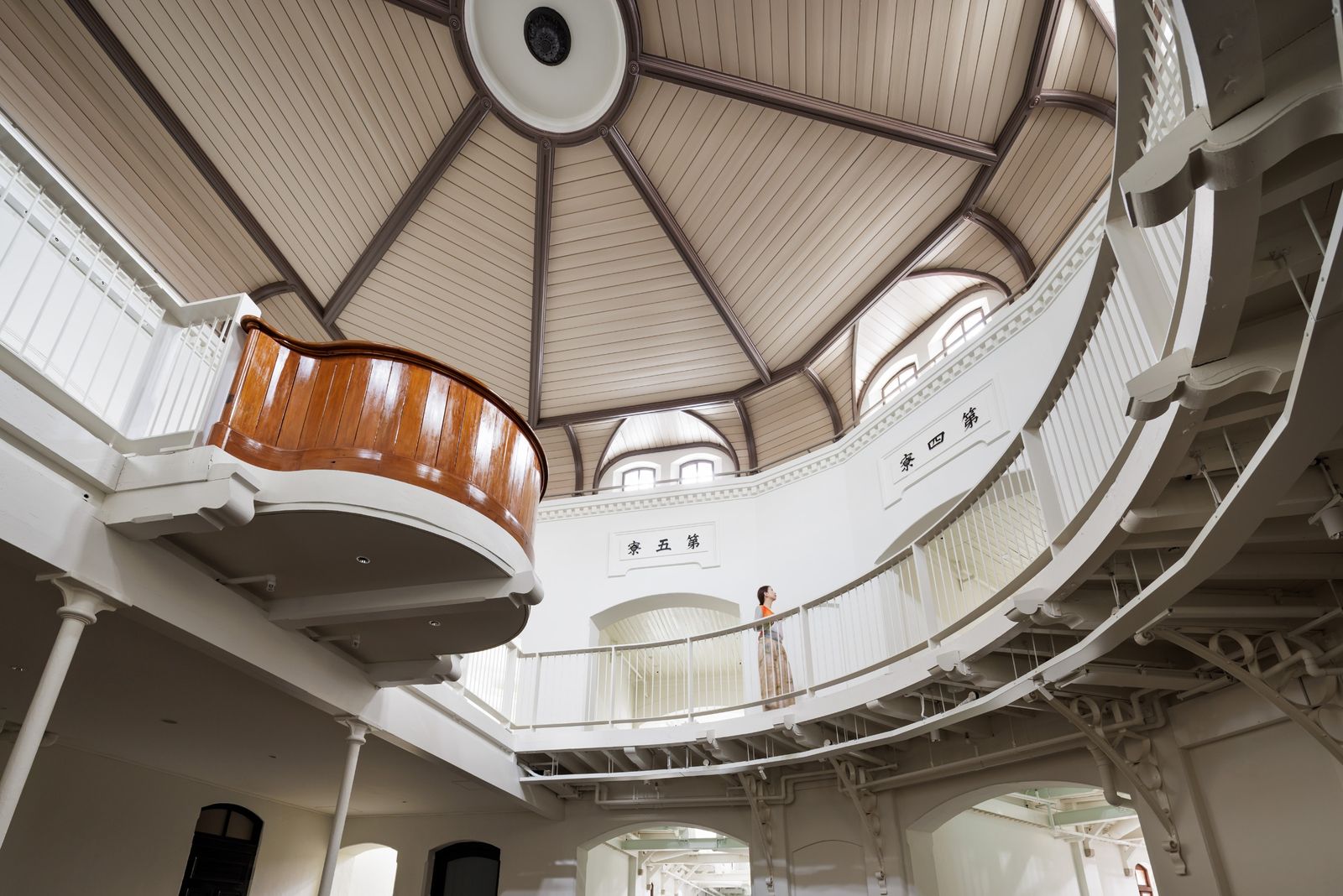
Completed in 1908, Nara Prison was the last of Japan’s ‘Five Great Meiji Prisons’, a clutch of Western-inspired penitentiaries built to showcase the country’s modernisation and openness to the foreign world. Architect Keijiro Yamashita designed the Romanesque, brick-walled complex, modelling its central detention house on architect John Haviland’s radial prison design: five cell blocks radiate from a central surveillance station, allowing a few guards to monitor hundreds of prisoners. In 2017, the last inmates were transferred, and the iron gate clanged shut. The complex was designated an Important Cultural Property and slated for transformation into a new luxury retreat.
Less than a decade later, the gate has reopened. The exterior is unchanged, but tucked inside are two new entities: the Hoshinoya Nara Prison Hotel and Nara Prison Museum. The transformation, the work of Rie Azuma of Azuma Architect & Associates, preserves and elevates the interior architecture without reducing it to a gimmick. Check into an 11-cell deluxe suite for a night on the inside… |
|
Hot tickets of London Design Festival |
There are few weeks in London’s calendar when the city feels quite as alive as it does during London Design Festival. Every September, taking over the city’s museums, galleries, shops and streets, architects, designers and makers invite us to look differently at the spaces we move through every day.
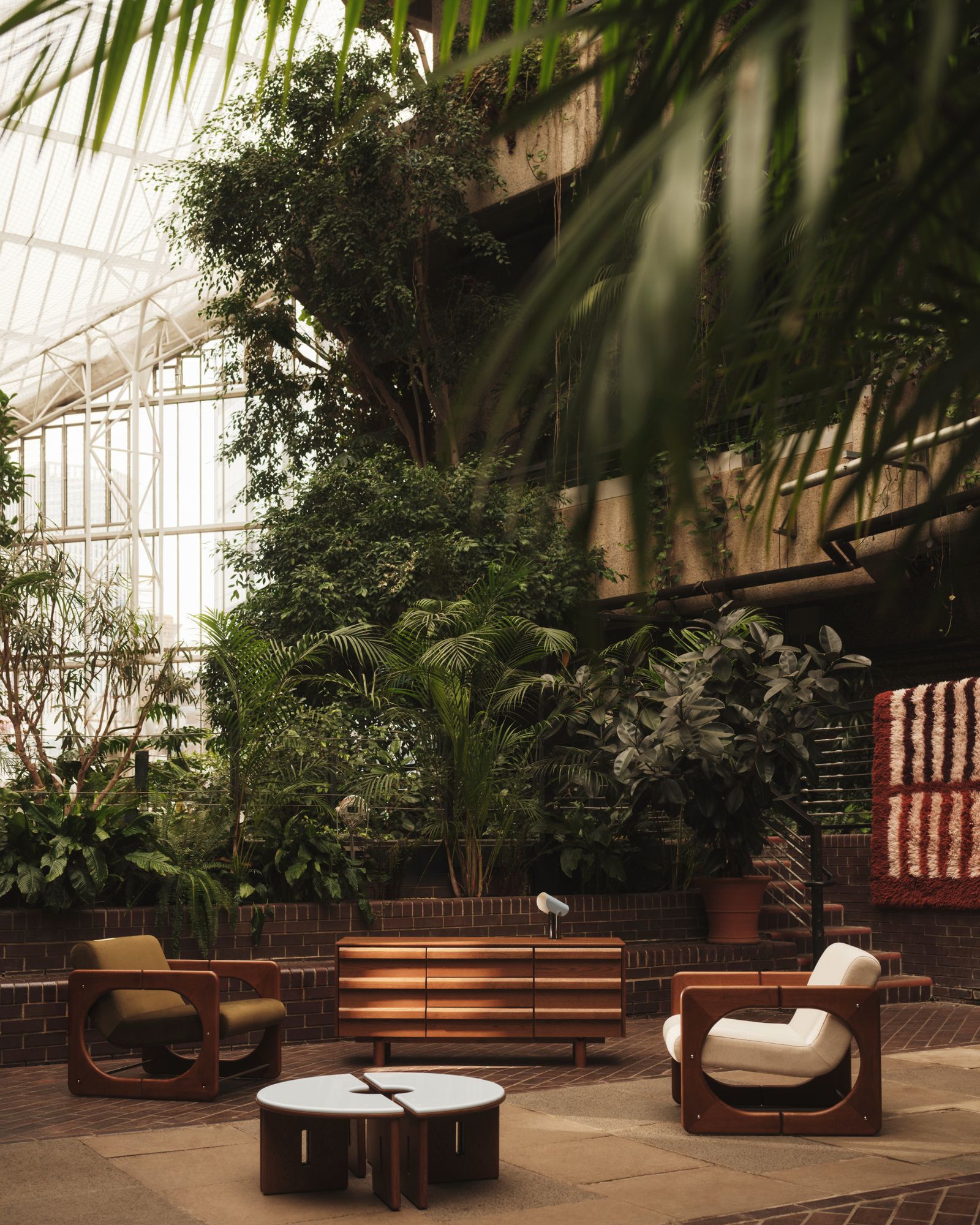
This year’s programme, officially opening today, sets craft alongside AI, sees historic techniques revisited through contemporary collaborations, and explores themes of migration, ecology, and cultural exchange. Here’s our guide to some of the highlights – from a bamboo pavilion with a story to tell (The Pangolin Shield, the festival’s inaugural Landmark Project, by Studio Saar and Atelier One) to a furniture-and-lighting homage to the Barbican (see the full story of the Made x Barbican collection), and the Ukrainian artist and designer lighting up Saint Paul’s Cathedral.
|
|
| |